


 English
 Español
 中文简体
中文简体Don't hesitate to send a message
The design and production comply with ISO8537. The plastic parts are moulded by ...
Medical instruments are essential to day-to-day operations in hospitals, clinics and other healthcare premises. Among standard medical supplies, syringes are widely relied on for medication administration and routine patient care. As safety protocols gain greater emphasis across medical settings, syringe designs have advanced far beyond straightforward injection use.
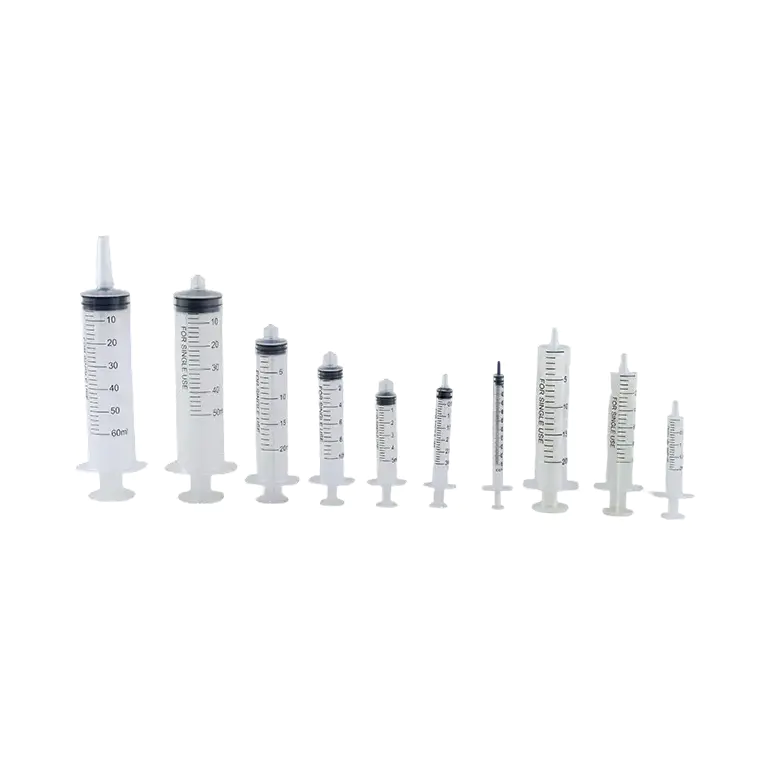
Retractable syringes showcase this progress. Equipped with an internal safety mechanism, they retract the needle into a protected position after injection. The feature shields healthcare staff when handling and discarding used devices, while keeping the injection procedure intuitive and easy to operate.
Higher market demand for retractable syringes has brought new requirements to medical manufacturers. Suppliers keep optimizing product design, tightening production quality oversight and improving supply services to cater to hospitals and distributors. Every link — from raw material sourcing to end packaging — directly shapes the stability and practical performance of each syringe.
A retractable syringe is a type of safety syringe that includes a needle protection mechanism. After the injection is completed, the needle can retract into the syringe body or move into a covered position. This additional function is designed to reduce direct exposure to the used needle.
Traditional syringes have been widely used in healthcare for many years. Their main purpose is to deliver medication accurately. Retractable syringes maintain this basic function while adding another layer of protection after use.
The difference is mainly seen after the injection process.
| Feature | Retractable Syringe | Traditional Syringe |
|---|---|---|
| Injection function | Used for medication delivery | Used for medication delivery |
| Needle handling after use | Includes a protective design | Requires careful manual handling |
| Safety consideration | Focuses on reducing needle exposure | Depends more on disposal practices |
| Product design | Combines injection and safety features | Focuses mainly on injection use |
The choice between different syringe types depends on the needs of healthcare facilities, working environments, and purchasing requirements. Some organizations may prefer products with additional safety functions because they support more controlled handling after procedures.
Healthcare work often involves repeated procedures, busy schedules, and strict safety requirements. Small improvements in medical tools can influence how smoothly daily tasks are completed.
Needle handling has always been an area that requires attention. After an injection, the used needle needs to be managed carefully. Retractable syringes are designed to address this stage by adding a protective step after use.
Several factors have contributed to the growing interest in these products:
The change is not only about replacing traditional products. It represents a shift in how medical equipment is evaluated. Healthcare providers are considering not only how a product works during use but also how it supports safer working conditions afterward.
The operation of a retractable syringe follows a similar process to a standard syringe during injection. Healthcare professionals prepare the product, deliver medication, and complete the procedure according to normal medical practices.
The main difference appears after the injection.
A general process includes:
Different retractable syringe designs may use different approaches, but the purpose remains consistent. The needle protection feature is intended to reduce unnecessary contact after the syringe has been used.
For healthcare workers, this added function can make disposal procedures easier to manage. It also helps create a more organized approach to handling used injection devices.
Retractable syringes earn their place in healthcare settings for reasons that go well beyond how they're built — the real value shows up in how they change day-to-day safety and workflow.
Take handling safety first. Once the needle retracts after use, the chance of someone getting accidentally poked drops significantly. That's not a minor detail — needlestick injuries have long been one of the more common workplace hazards in healthcare, and anything that reduces that risk matters.
Then there's the pace medical staff actually work at. Nurses and technicians rarely have the luxury of slowing down between patients. A design that builds safety into the mechanism itself means one less thing to actively manage during a rushed shift, which counts for more than it might sound like on paper.
Disposal gets simpler too. A needle that's already retracted is easier to handle safely on the way to a sharps container, cutting down on the small moments of risk that add up over a busy day.
And stepping back, this fits a broader shift happening across healthcare — facilities increasingly want products that don't force a trade-off between function and safety. That's really why retractable syringes keep showing up on hospital and distributor shortlists: they solve a real problem without asking anyone to change how they work.
Retractable syringes may look simple in appearance, but their actual production is a rigorous and step-by-step process. Every working procedure has to be strictly controlled in medical factories, as even tiny production errors can affect the safety and usability of the final medical products.
Standard medical manufacturers complete the whole production chain in-house, covering raw material preparation, parts processing, product assembly, quality inspection, and final packaging and shipment.
Material preparation
The entire production starts with raw material selection. Factory staff pick qualified medical-grade materials for different syringe components. All materials must meet medical safety standards to ensure they are safe for direct clinical use and will not cause any harm to patients or medical workers.
Component manufacturing
Every single part of the retractable syringe is produced separately in professional production workshops. Workers and production equipment follow unified design specifications to process each component. The size, thickness and structure of every part are precisely controlled to guarantee smooth assembly and normal later use.
Assembly process
After all parts are ready, workers start the formal assembly work. This stage focuses heavily on the core retractable structure of the syringe. Staff carefully install and debug the internal safety mechanism to make sure the needle can retract smoothly and firmly after injection. This key procedure directly determines the safety performance of the product.
Product inspection
No finished products will enter the packaging link without inspection. Professional quality inspection teams conduct comprehensive checks on each batch of syringes. They test the injection function, needle retraction performance and product appearance to screen out unqualified products and keep the overall product quality stable.
Packaging and delivery
Syringes that pass all quality tests will be professionally cleaned and sealed in sterile packaging. Standard medical packaging can effectively protect the products during long-term storage and long-distance transportation, avoiding contamination or damage. Finally, finished products are sorted and packed for delivery to hospitals, clinics and medical distributors.
In short, the production of retractable medical syringes relies on strict control of every detail. Only by standardizing every production step can factories provide safe, reliable and practical medical consumables for frontline medical work.
For medical distributors and healthcare purchasing teams, choosing a supplier involves more than comparing product availability. A suitable manufacturer needs to provide stable production and consistent support.
Several factors may influence the decision:
| Consideration | Why It Matters |
|---|---|
| Manufacturing ability | Helps support continuous supply needs |
| Quality management | Supports product consistency |
| Production experience | Shows familiarity with medical requirements |
| Communication support | Helps manage cooperation efficiently |
| Supply coordination | Supports long-term business planning |
A reliable retractable syringe manufacturer should understand both production requirements and market expectations. Medical buyers often need suppliers who can provide steady cooperation rather than only individual shipments.
The relationship between manufacturers and buyers has become more important as healthcare supply chains become more connected.
Retractable syringes carry a bit more complexity than standard ones — that retracting mechanism has to work correctly every single time, which means quality control can't be treated as a single checkpoint. It has to run through the entire production process, start to finish.
That process usually touches several areas at once. Raw materials get checked before they're even used, not after something goes wrong downstream. Production activities are monitored while they're happening, not reviewed only at the end. Finished syringes go through inspection to confirm they actually retract the way they're supposed to. Packaging gets its own set of checks, since a perfectly good syringe can still fail if it's damaged or contaminated before it reaches anyone. And none of this works as a one-time effort — it has to stay consistent, batch after batch, month after month.
What makes this actually function well isn't any single department working in isolation. Production teams, inspection staff, and management systems all need to be talking to each other, catching issues early rather than discovering them after a shipment's already gone out. A factory where these groups operate separately tends to miss problems that show up right at the seams between departments.
There's also a side to quality control that's easy to overlook: understanding what hospitals and distributors actually need. Reliability matters, obviously, but so does communication. A supplier who flags a potential delay early, or answers questions clearly, tends to build more trust than one who simply ships boxes and disappears. In an industry where consistency directly affects patient safety, that kind of steady, transparent relationship isn't optional — it's part of what quality really means.
Retractable syringes are used in different healthcare environments where injection procedures are required.
Common application areas include:
Each environment may have different product requirements. A large healthcare organization may focus on supply planning and product availability. A smaller facility may pay more attention to convenience and storage.
The growing use of safety syringes reflects changes in healthcare management. Medical organizations are not only considering treatment results but also the conditions faced by healthcare workers during daily operations.
The development of retractable syringes shows how medical products are adapting to changing expectations. Modern healthcare requires tools that are practical, reliable, and designed with safety in mind.
Manufacturers are continuing to improve production methods and product designs to support different healthcare needs. The focus is moving beyond basic functionality toward products that consider the complete usage process.
For Disposable Syringe Suppliers , maintaining stable production, understanding customer needs, and improving product quality remain important parts of industry development.
As healthcare systems continue to evolve, safety-focused medical consumables are expected to remain an important part of medical supply chains.
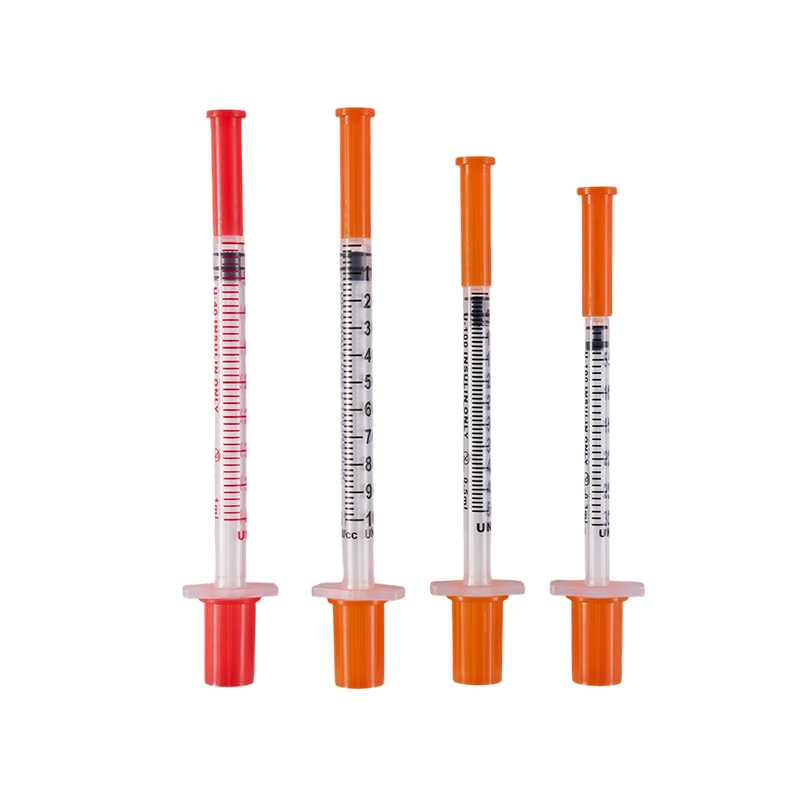
The design and production comply with ISO8537. The plastic parts are moulded by ...
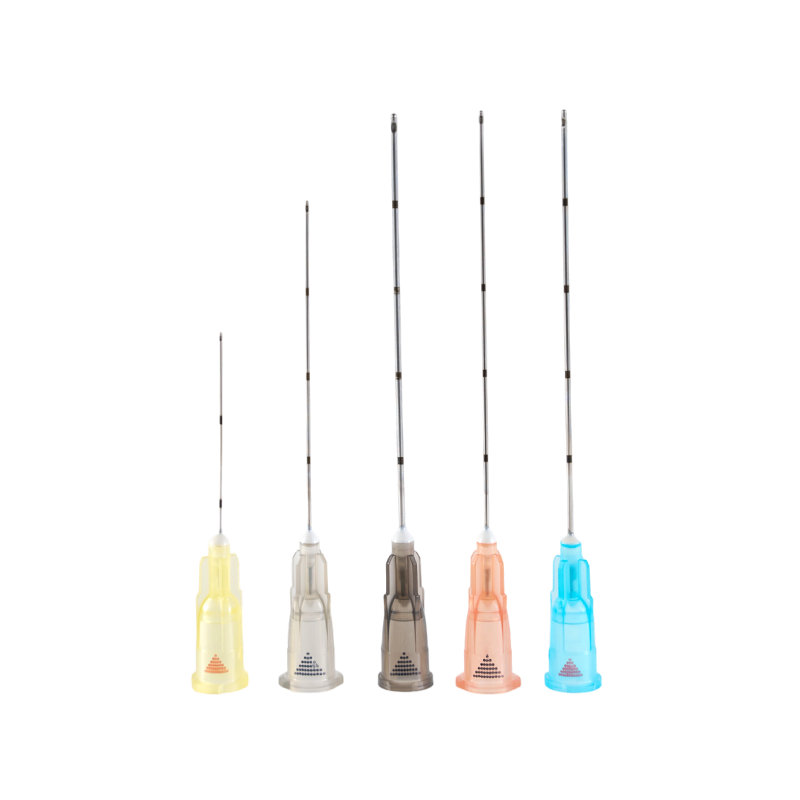
There are three kinds of the tip types, Sealed-circle with 2 side holes, sealed-...
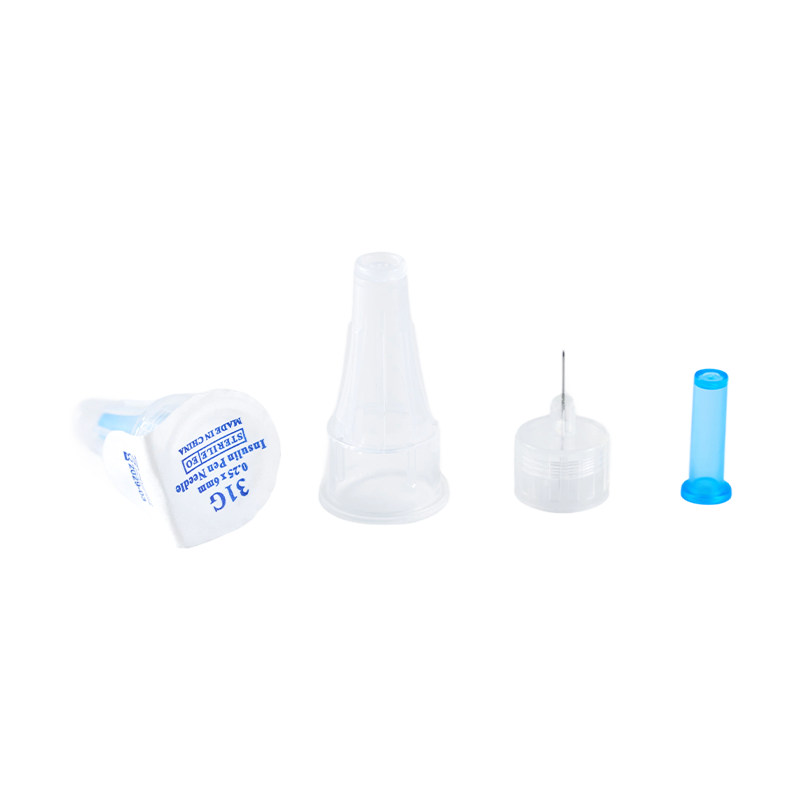
Assembling with insulin pen, for insulin hypodermic injection.The plastic parts ...
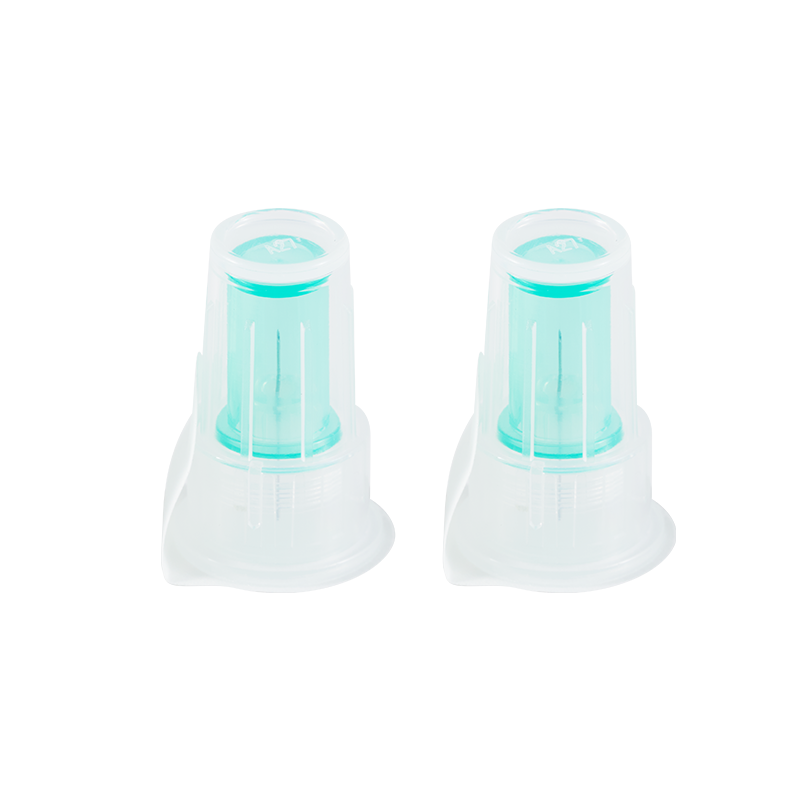
Used in conjunction with an insulin pen, it is used for subcutaneous injection o...
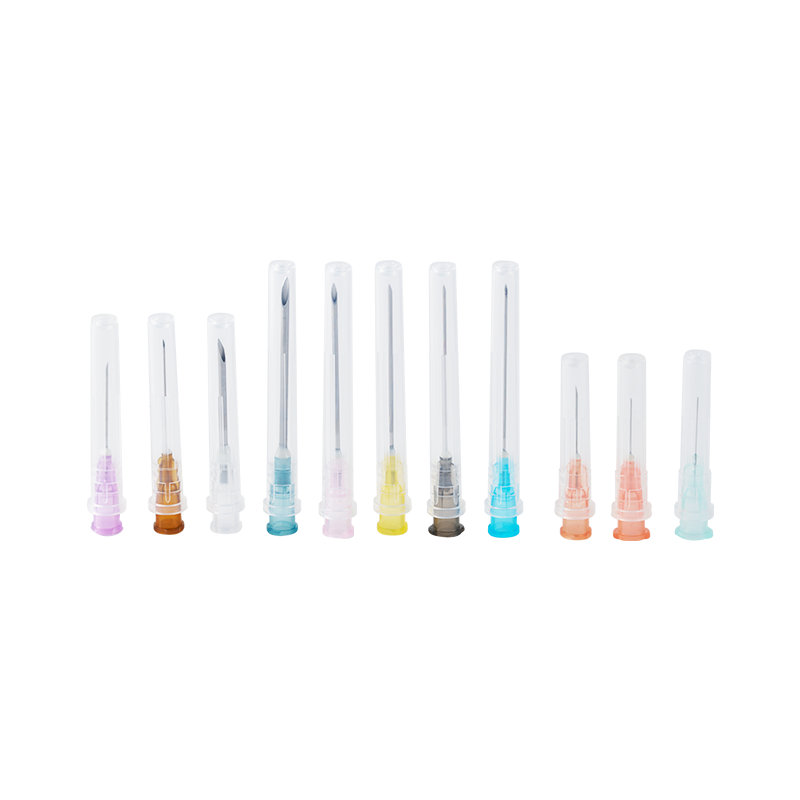
The cannula is made of high quality austenite stainless steel.All the components...
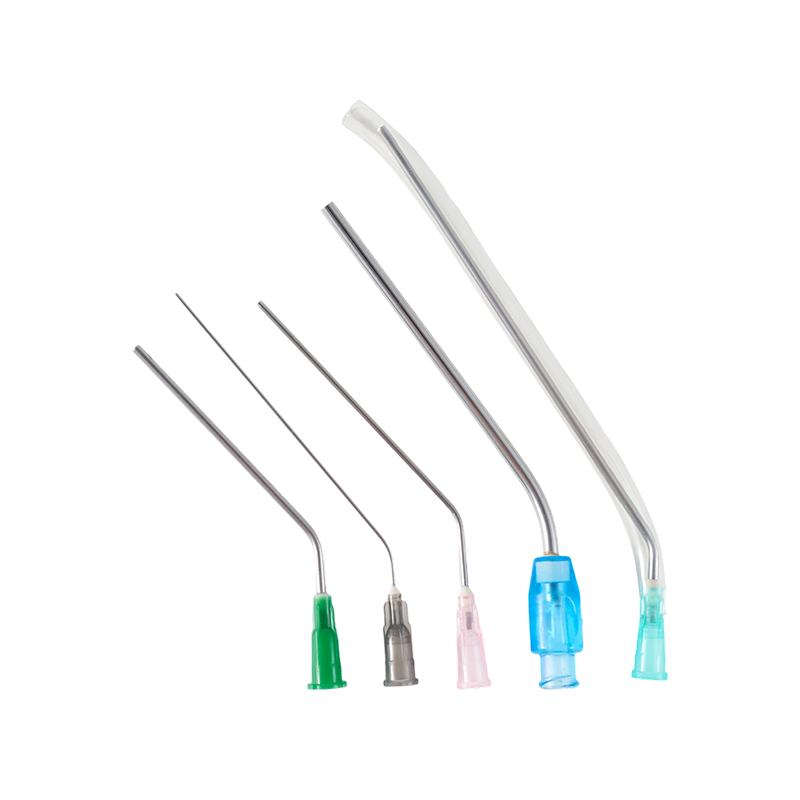
The material of the needle is Medical grade SUS304,which have great stiffness, t...
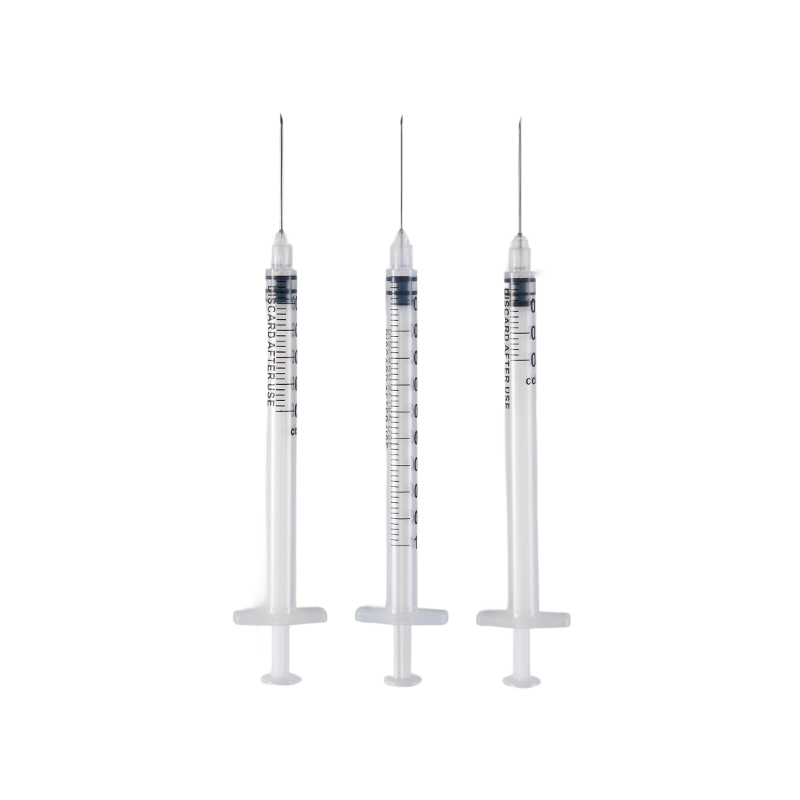
The barrel is made from high transparent polypropylene(PP),which have a bright a...
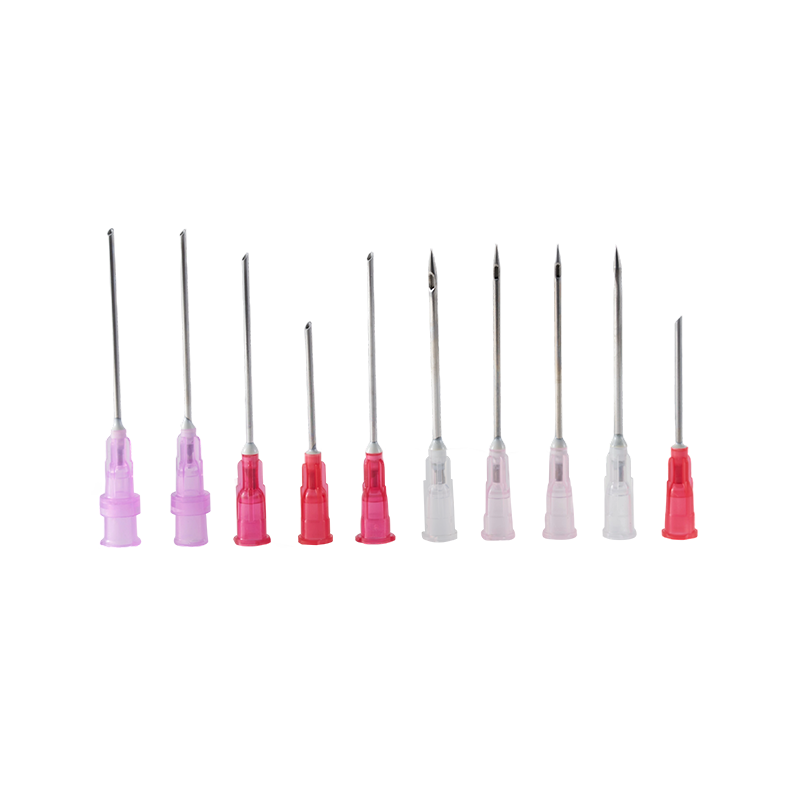
The cannula is made of high quality austenite stainless steel.The lancet tip is ...

Copyright© 2025 Zhejiang INI Medical Devices Co., Ltd.
Approval No:20150049
Medical Device Manufacturers
Disposable Medical Syringes Factory
