


 English
 Español
 中文简体
中文简体Don't hesitate to send a message
The design and production comply with ISO8537. The plastic parts are moulded by ...
Nobody thinks much about needles until they actually need one. Yet these small, simple-looking items are woven into nearly everything healthcare does day to day — blood draws, vaccinations, IV lines, lab samples. Hospitals, clinics, and labs all lean on a steady, uninterrupted supply, even if most people walking through those doors never give it a second thought.
What goes on behind a single needle is more involved than it looks: sourcing materials, running production lines, checking quality at several points, packaging everything to stay sterile, then getting it where it needs to go. A needle factory isn't just a production site tucked away somewhere — it sits right in the middle, linking raw material suppliers on one end to hospitals and patients on the other.
That middle position has gotten more attention lately. Healthcare systems have learned, sometimes the hard way, that a supply gap doesn't stay small. A shortage in one warehouse can turn into postponed procedures a week later. So factories can't just focus on output anymore — consistency and quality checks matter just as much as keeping the line running.
None of this happens near a hospital bed, but it shapes what's available at one. From the first material prep to the final sealed box, every stage along the way decides how — and whether — these basic tools actually reach the people who need them.
A needle factory may produce different types of disposable medical needles designed for various healthcare applications. Although the appearance of many products may look similar, their intended uses can vary depending on medical requirements.
Common product categories may include:
| Product Type | Common Application |
|---|---|
| Injection needles | Used with medical injection procedures |
| Sampling needles | Used when collecting biological samples |
| Specialty medical needles | Designed for specific healthcare situations |
| Disposable needle products | Intended for single-use medical purposes |
The factory's responsibility is not only producing the physical item. It also needs to ensure that every product moves through a controlled process before entering the market.
Different customers may have different purchasing needs. Hospitals may focus on stable supply. Distributors may consider packaging and delivery schedules. Medical organizations may look for suppliers that can maintain consistent quality over time.
Because of these different requirements, factories often need to balance production efficiency with careful management.
A healthcare supply chain includes many stages. A medical needle factory connects several of these stages together.
The process usually begins with material suppliers providing the necessary components. These materials then move into manufacturing facilities, where products are formed, assembled, checked, packaged, and prepared for shipment.
A simplified supply chain looks like this:
| Supply Chain Stage | Main Role |
|---|---|
| Material suppliers | Provide production materials |
| Medical needle factory | Produces and prepares finished products |
| Distributors | Transport products to different regions |
| Healthcare facilities | Use products in medical services |
Each participant depends on the others. A factory needs reliable materials. Distributors need predictable supply. Healthcare providers need products to arrive when required.
This connection shows why manufacturing management is an important part of healthcare operations.
Many people think manufacturing only involves making the final product. In reality, a needle factory manages many small steps that work together.
Production usually includes preparation, forming, assembly, inspection, and packaging.
The production environment requires organization. Workers and equipment need to follow established procedures. Clean conditions and careful handling help maintain product consistency.
A typical production process may include:
Each stage contributes to the final result. A problem in one area may influence later steps. Because of this, factories pay attention to process control throughout production rather than only checking finished products.
When a product touches someone's bloodstream, there's no room for "close enough." That's why quality control sits at the center of everything a needle factory does, not as an afterthought but as a mindset baked into daily work.
It's tempting to picture quality control as one final checkpoint before boxes leave the warehouse. In practice, it's spread across every stage of production — appearance checks, consistency between batches, how packaging holds up, how products are stored, and whether records actually track what happened at each step. Skip any one of these, and small issues can slip through unnoticed until they show up somewhere far more serious than a factory floor.
What separates a dependable factory from an average one usually isn't fancy equipment — it's whether quality thinking shows up in the small, unglamorous habits. Workers who understand exactly what their role affects. Production lines that follow the same procedure every time, not just when someone's watching. Products that get reviewed carefully before they're cleared to ship, rather than assumed to be fine.
None of this is really about ticking boxes for compliance. It's about earning trust. Distributors and healthcare providers need to know that what arrives today performs exactly like what arrived last month — no surprises, no inconsistencies, nothing to second-guess. That kind of reliability doesn't happen by accident. It's built, one careful step at a time, long before the product ever reaches a hospital shelf.
Safety does not begin when a product reaches a hospital. It starts much earlier during manufacturing.
A medical needle factory needs to consider many details before products are delivered. Clean production areas, careful packaging, and controlled storage all contribute to product protection.
Packaging has an important role. It helps protect products during transportation and storage. When healthcare workers receive the products, they expect them to remain in suitable condition until use.
This connection between factory operations and medical environments is easy to overlook. However, every step in the supply chain contributes to the final user experience.
The factory may never directly interact with patients, but its work supports healthcare professionals who do.
Healthcare demand is not always predictable. Different regions may experience changing needs due to population changes, healthcare development, or market conditions.
A medical needle factory needs flexibility while maintaining stable production.
Manufacturers may manage demand by:
The challenge is finding balance. Producing too little may affect supply availability. Producing too much may create unnecessary inventory pressure.
Good supply chain management helps factories respond to customer needs while keeping operations organized.
Medical manufacturing requires attention to many details. Even products that appear simple can involve complex management.
Some common challenges include:
Maintaining consistent production
Large healthcare systems need products they can depend on. Factories must maintain stable processes even when demand changes.
Managing supply relationships
Raw materials and components come from different sources. Maintaining smooth cooperation helps avoid interruptions.
Responding to market changes
Healthcare needs continue to develop. Factories need to understand changing requirements and adjust their operations.
Balancing efficiency and quality
Manufacturers often look for ways to improve production efficiency. However, improvements cannot reduce attention to product reliability.
These challenges require continuous improvement rather than temporary solutions.
Modern manufacturing continues to change. Many factories use improved production methods to make operations more organized and consistent.
Technology can support areas such as:
The purpose of these improvements is not only faster production. It is also better organization and clearer management.
Human experience remains important. Skilled workers understand production details and help solve problems during daily operations.
The combination of people and manufacturing systems allows factories to maintain stable output.
A factory depends on more than its own production line. Reliable suppliers are also an important part of the process.
Strong supplier relationships help manufacturers maintain:
A disruption in one area can influence the entire chain. For example, delayed materials may affect delivery schedules. Because of this, factories often build long-term cooperation with suppliers.
Supply chain strength comes from cooperation between different companies rather than one single organization.
Healthcare needs exist in every region. Medical needle factories help connect manufacturing capacity with healthcare demand around the world.
Through distributors and supply partners, products can reach different markets. This requires careful planning because each region may have different expectations regarding packaging, delivery, and purchasing processes.
Manufacturers that understand international supply chains can better support customers in different areas.
Their role extends beyond production. They help maintain the movement of essential healthcare products.
For healthcare organizations and distributors, selecting a supplier requires careful consideration.
Important factors may include:
| Consideration | Why It Matters |
|---|---|
| Production capability | Supports stable supply |
| Quality management | Helps maintain product consistency |
| Communication ability | Improves cooperation |
| Delivery management | Supports supply planning |
| Industry experience | Shows understanding of customer needs |
A suitable supplier is not only a manufacturer. It is also a long-term partner within the healthcare supply chain.
Medical supply chains continue to focus on reliability, flexibility, and efficiency. Medical needle factories are adapting to these changes by improving production management and strengthening cooperation with partners.
The industry is moving toward more organized manufacturing processes and closer connections between suppliers and healthcare providers.
Although medical needles are small products, their role in healthcare remains significant. The factories behind them provide the support system that allows medical services to operate smoothly.
Their work happens quietly, but it remains an important part of the healthcare network.
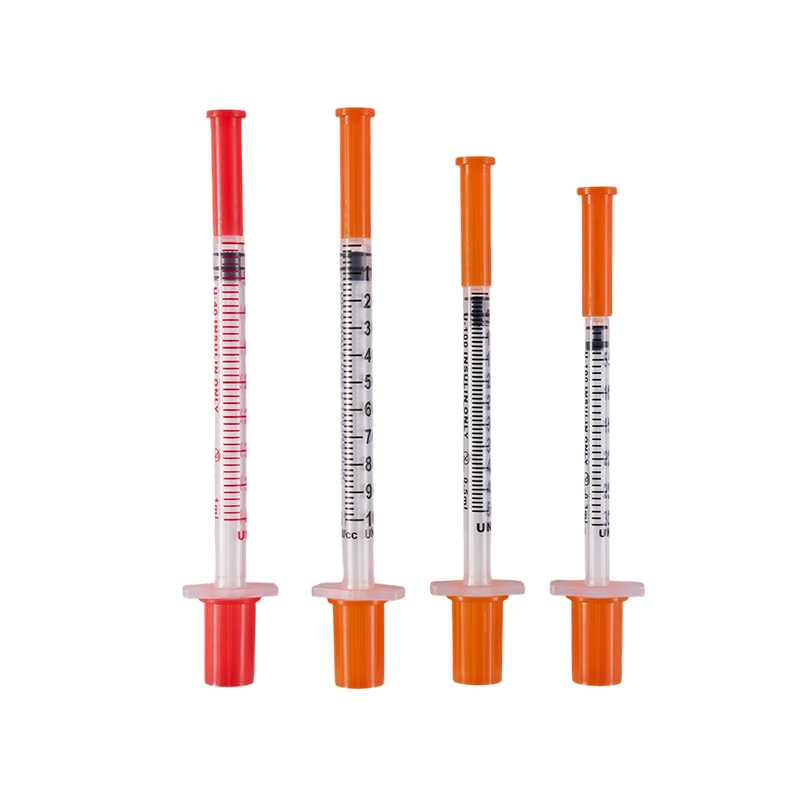
The design and production comply with ISO8537. The plastic parts are moulded by ...
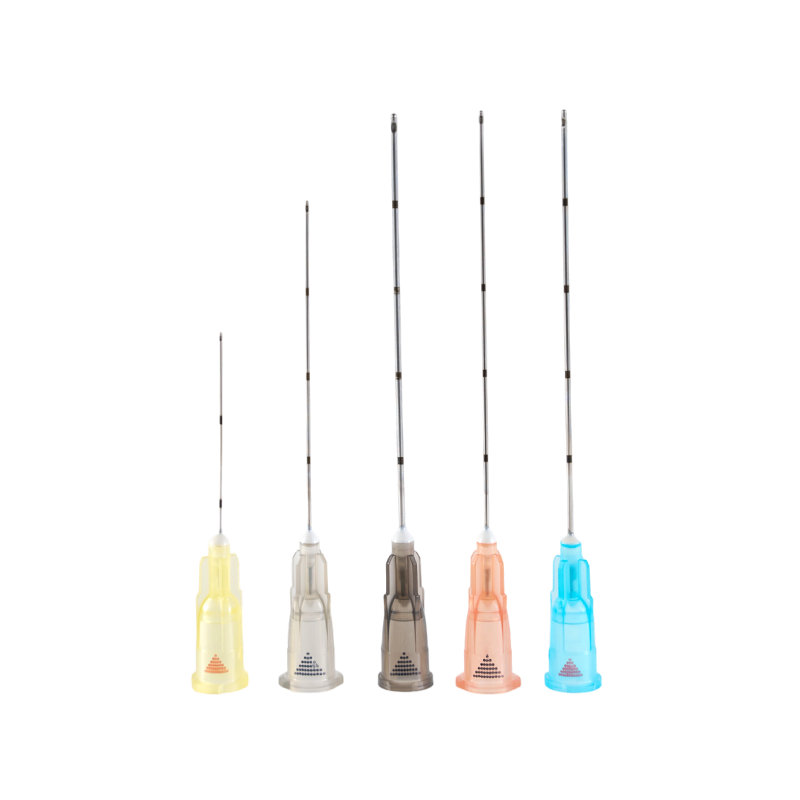
There are three kinds of the tip types, Sealed-circle with 2 side holes, sealed-...
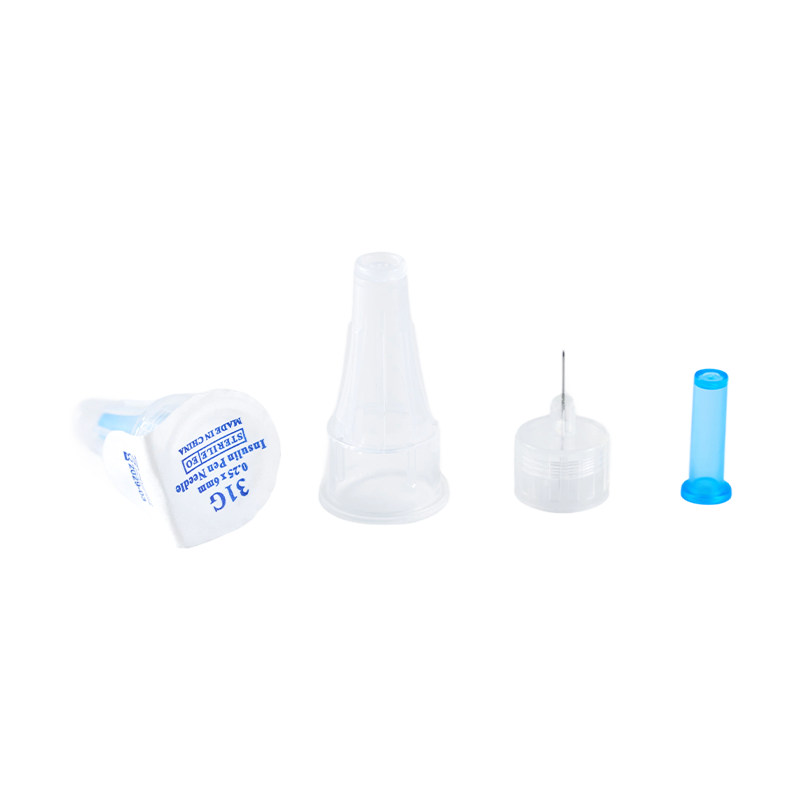
Assembling with insulin pen, for insulin hypodermic injection.The plastic parts ...
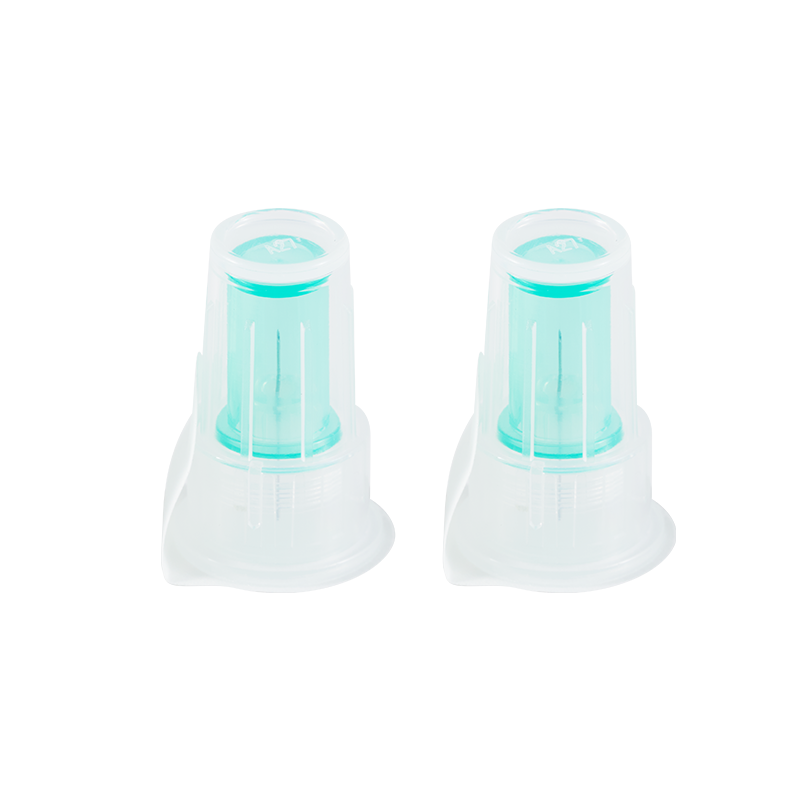
Used in conjunction with an insulin pen, it is used for subcutaneous injection o...
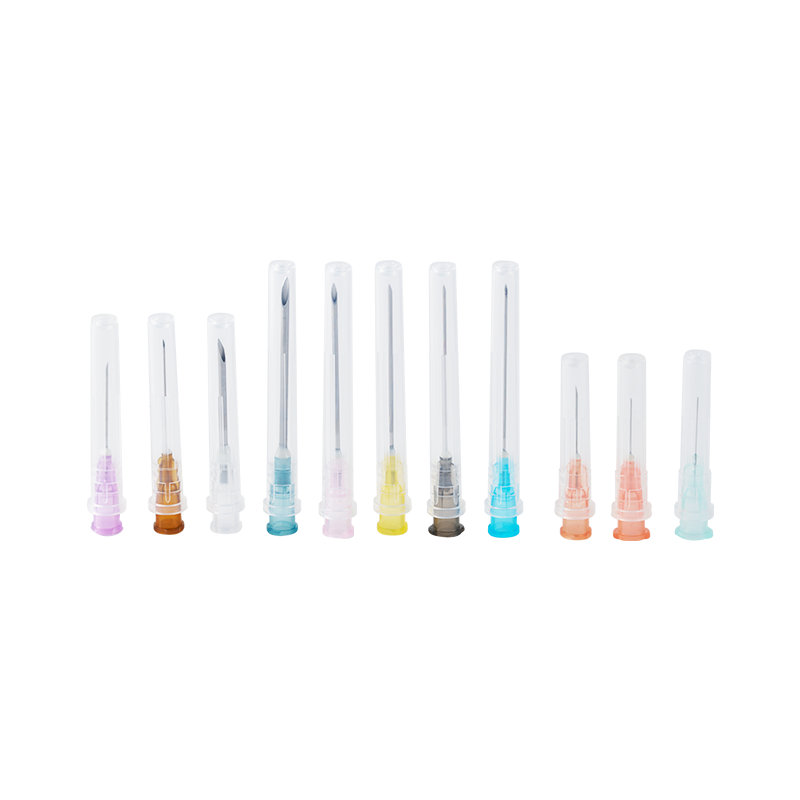
The cannula is made of high quality austenite stainless steel.All the components...
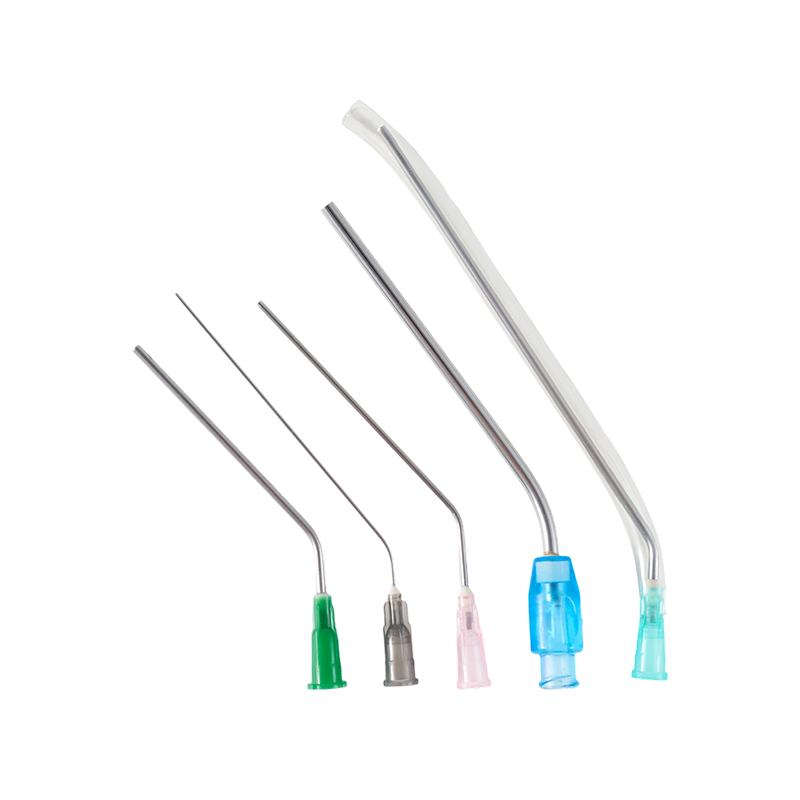
The material of the needle is Medical grade SUS304,which have great stiffness, t...
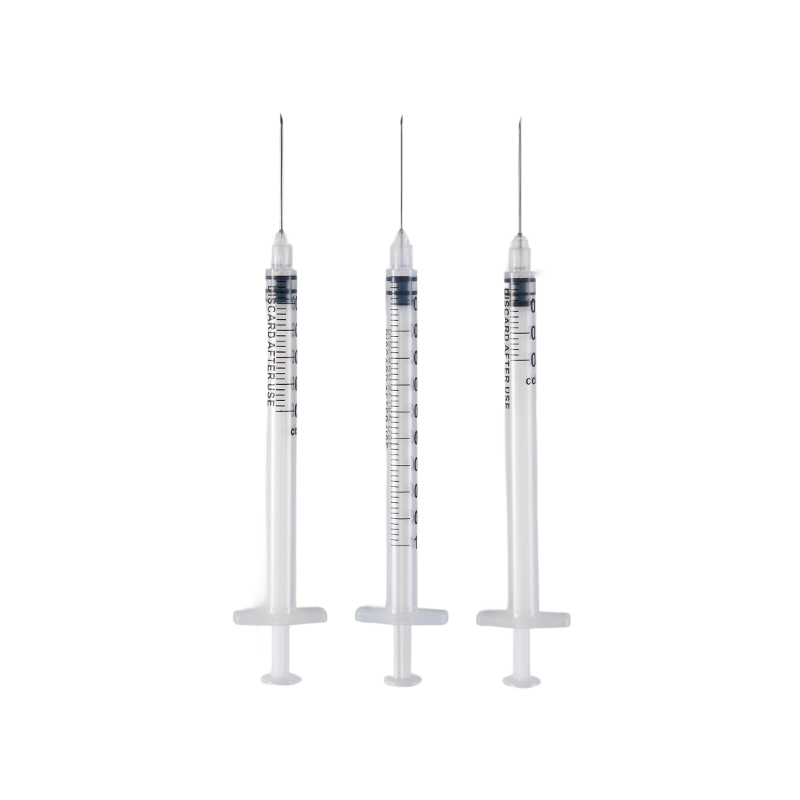
The barrel is made from high transparent polypropylene(PP),which have a bright a...

The cannula is made of high quality austenite stainless steel.The lancet tip is ...

Copyright© 2025 Zhejiang INI Medical Devices Co., Ltd.
Approval No:20150049
Medical Device Manufacturers
Disposable Medical Syringes Factory
