


 English
 Español
 中文简体
中文简体Don't hesitate to send a message
The design and production comply with ISO8537. The plastic parts are moulded by ...
Disposable medical products have pretty much become the norm across a lot of fields these days, but some industries still stick with reusable syringe needle as a practical option for specific applications, and honestly, there's real reasoning behind that choice. It usually comes down to working conditions, operational habits, cost considerations, and sometimes just the need for a more specialized solution that disposables can't quite offer.
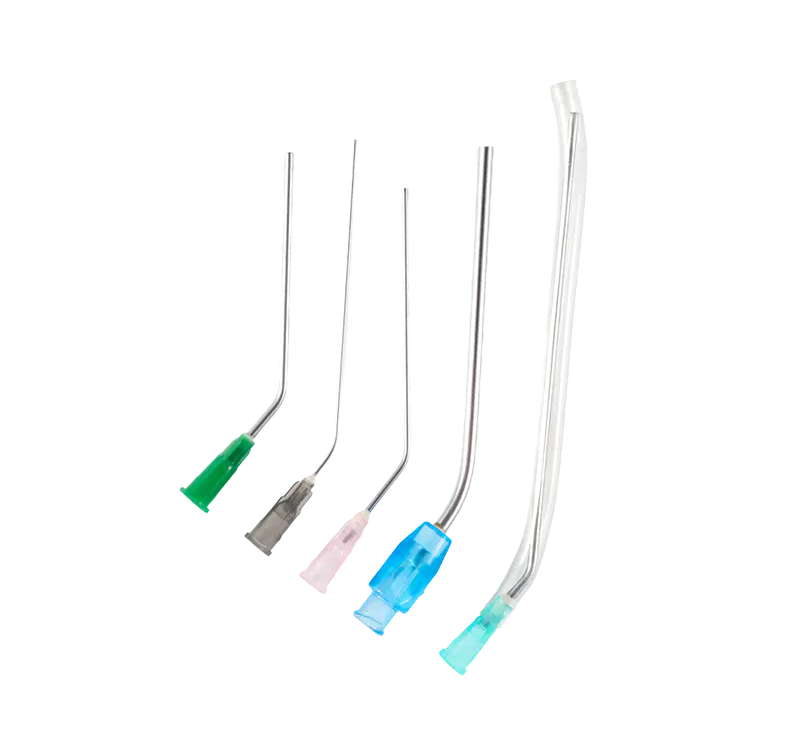
The whole discussion around syringe needles really isn't just about the product itself, either. It ties into how different industries manage their daily processes, their equipment, and their safety requirements too. In certain professional environments, reusable options still hold their ground because they match up well with certain operational needs that come with the territory.
Understanding why some industries keep using syringe needles can really help buyers, suppliers, and industry professionals get a clearer read on market demand and where product development trends might be headed next.
Different industries have different working environments. A solution that works well in one field may not always be suitable for another. Syringe needles remain in use because some applications require products that can support repeated procedures under controlled conditions.
In some professional settings, users focus on long-term usability and equipment management. Instead of replacing products after every single use, they may prefer solutions that can be maintained properly within their own systems.
Several factors influence this choice:
| Factor | Reason It Matters |
|---|---|
| Usage environment | Some workplaces have controlled conditions for handling equipment |
| Operational habits | Existing processes may be designed around reusable tools |
| Resource management | Reusable products may fit certain management methods |
| Special requirements | Some applications need specific product characteristics |
The continued use of syringe needles does not mean they replace disposable options. Both types serve different purposes. The choice depends on the needs of each industry and the way products are managed.
Product selection is often connected with industry requirements. Different sectors consider different factors when choosing tools and equipment.
Some industries pay close attention to repeat use, equipment organization, and workflow consistency. In these situations, syringe needles may be considered because they can become part of an established working process.
For example, some professional environments have dedicated systems for cleaning, handling, and storing reusable equipment. These systems allow users to manage products in a controlled way.
The decision is usually based on practical considerations rather than a single factor. Companies may review:
A suitable choice depends on the specific application. Industry users usually evaluate the overall process instead of looking only at the purchase cost.
Cost management is really one of the main reasons some industries keep exploring reusable options in the first place. When a product gets used repeatedly within a controlled environment, the whole purchasing approach ends up looking pretty different from situations where single-use products make more sense.
Reusable syringe needles can cut down on the need for frequent replacement purchases in certain applications. That tends to appeal to organizations managing equipment over longer stretches of time.
That said, cost really isn't just about the initial purchase price, though. Businesses also have to weigh things like:
A lower purchase frequency doesn't automatically translate into lower overall expenses, either. Each industry really needs to look at the full picture before locking in a decision.
For some organizations, reusable products just fit their management style better. For others, disposable options offer a much simpler approach overall. At the end of the day, the right choice really comes down to the working environment and what the business is actually trying to achieve.
Many industries develop their own working habits over time. Once a process becomes familiar and reliable, companies may continue using tools that match their established methods.
Experienced professionals often understand how equipment performs in their daily operations. They may prefer solutions that fit their existing workflow instead of changing systems without a clear reason.
Industry experience also influences purchasing decisions. Buyers often consider:
A product's value is not only determined by its design. How well it fits into an industry's routine also matters.
This explains why some syringe needles continue to have demand even as disposable alternatives become widely available.
Environmental awareness has really pushed a lot of industries to rethink how they manage products and waste overall. Reusable products sometimes get a second look here because they can cut down on the sheer number of items getting tossed out during repeated operations.
For organizations focused on resource management, reusable equipment can fit into a broader strategy aimed at reducing unnecessary consumption across the board.
That said, environmental decisions really do call for careful evaluation, not just good intentions. A product's actual impact depends on quite a few factors, including:
Environmental considerations keep growing in importance across plenty of industries, and that's pushing manufacturers and buyers alike to look for solutions that balance practical needs with genuinely responsible management.
Syringe needles really represent just one option within a much wider conversation about product usage and resource planning.
Manufacturers producing syringe needles need a solid grasp of the different expectations professional users bring to the table. The market here really isn't just about supplying product, either — it's also about delivering solutions that actually match specific application requirements.
A reliable manufacturer usually keeps close attention on things like:
Different industries might ask for different product designs or packaging methods, too, and manufacturers need to respond to all that variation while still keeping production stable underneath it.
Communication between buyers and manufacturers matters a lot here, honestly. Clear, upfront discussions help both sides get on the same page about product expectations and what cooperation actually needs to look like going forward.
As industries keep evolving, syringe needle suppliers really need to keep improving their services too, adapting right alongside the shifting market demands rather than lagging behind them.
Selecting syringe needles requires careful evaluation. Buyers need to understand their own working conditions before deciding whether this type of product is suitable.
Several questions can help guide the selection process:
What is the intended application?
Different industries have different requirements. Understanding the purpose helps buyers choose more suitable products.
How will the product be managed?
Reusable equipment requires proper handling and organization. Buyers should consider whether their current system can support this approach.
Does the supplier provide enough support?
A dependable supplier should offer clear communication and useful assistance throughout cooperation.
Does the product match current workflows?
A product should not only meet basic needs. It should also fit the way users operate.
A thoughtful evaluation process helps companies avoid making decisions based only on price or appearance.
The market for syringe needles continues to develop as industries adjust their needs and working methods. Disposable products remain important in many areas, but reusable options continue to have applications where controlled management and repeated use are considered suitable.
Future demand may be influenced by several factors:
| Influence | Possible Impact |
|---|---|
| Industry practices | Existing workflows may continue supporting reusable solutions |
| Resource awareness | More organizations may review product usage methods |
| Supplier development | Manufacturers may provide more flexible solutions |
| Customer expectations | Buyers may look for products that match specific needs |
The continued presence of reusable syringe needles shows that product choices are often shaped by practical requirements. Different industries make decisions based on their own processes, responsibilities, and operational goals.
Understanding these factors helps buyers and manufacturers better respond to the changing needs of professional markets.
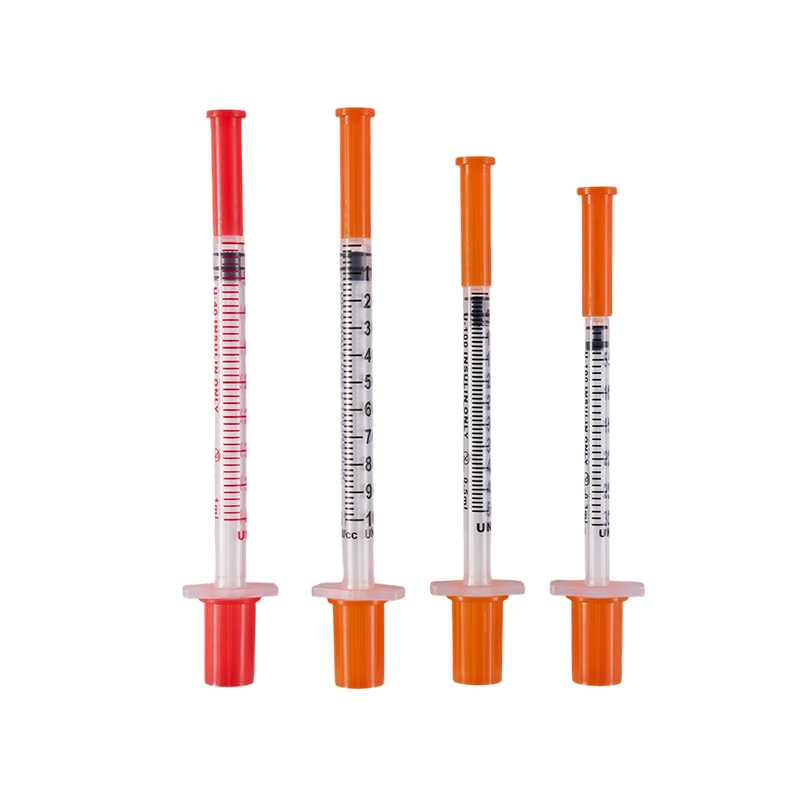
The design and production comply with ISO8537. The plastic parts are moulded by ...
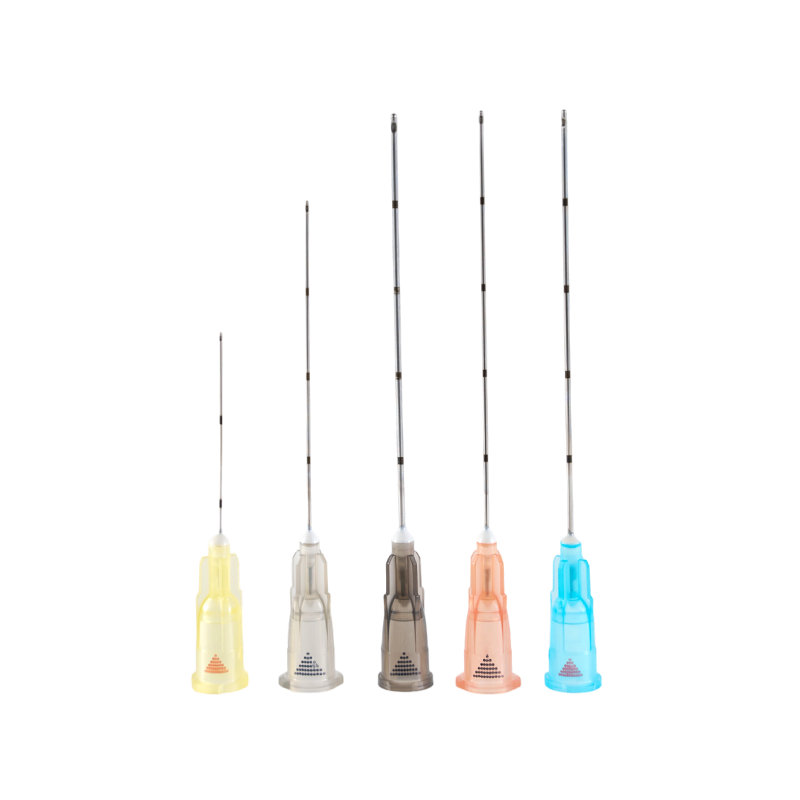
There are three kinds of the tip types, Sealed-circle with 2 side holes, sealed-...
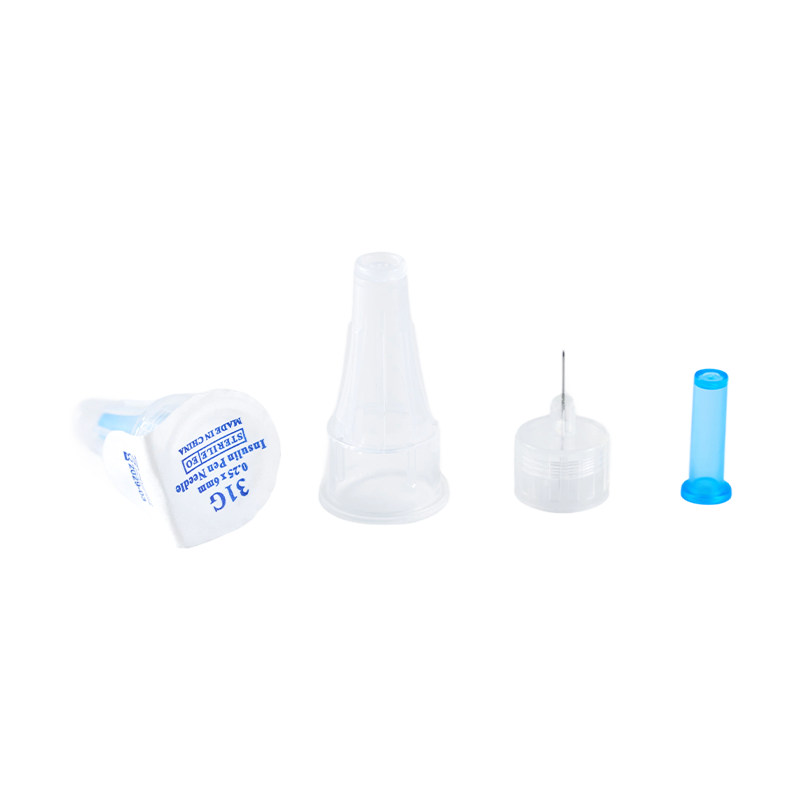
Assembling with insulin pen, for insulin hypodermic injection.The plastic parts ...
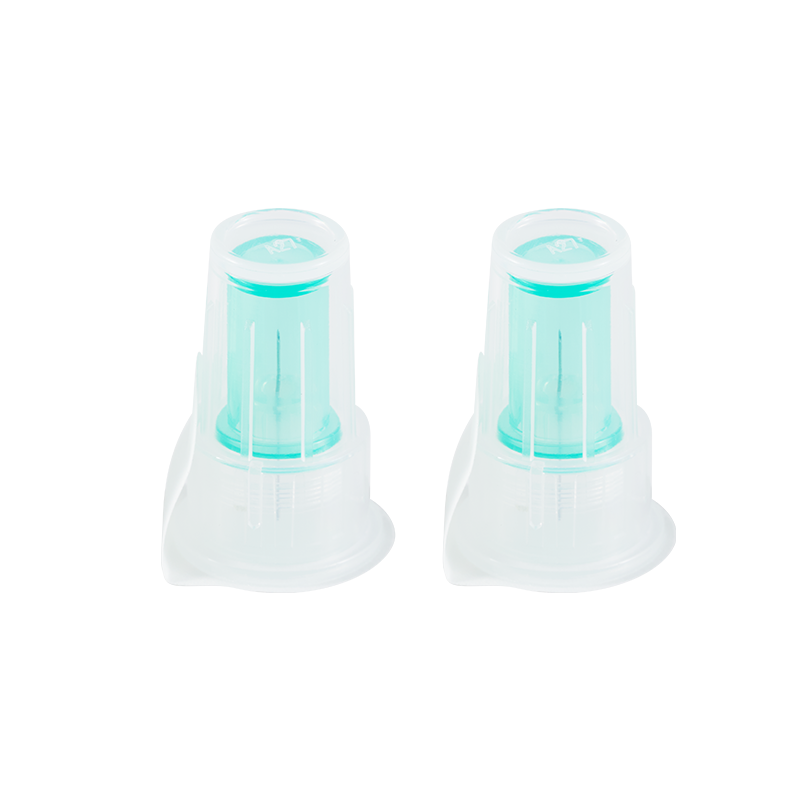
Used in conjunction with an insulin pen, it is used for subcutaneous injection o...
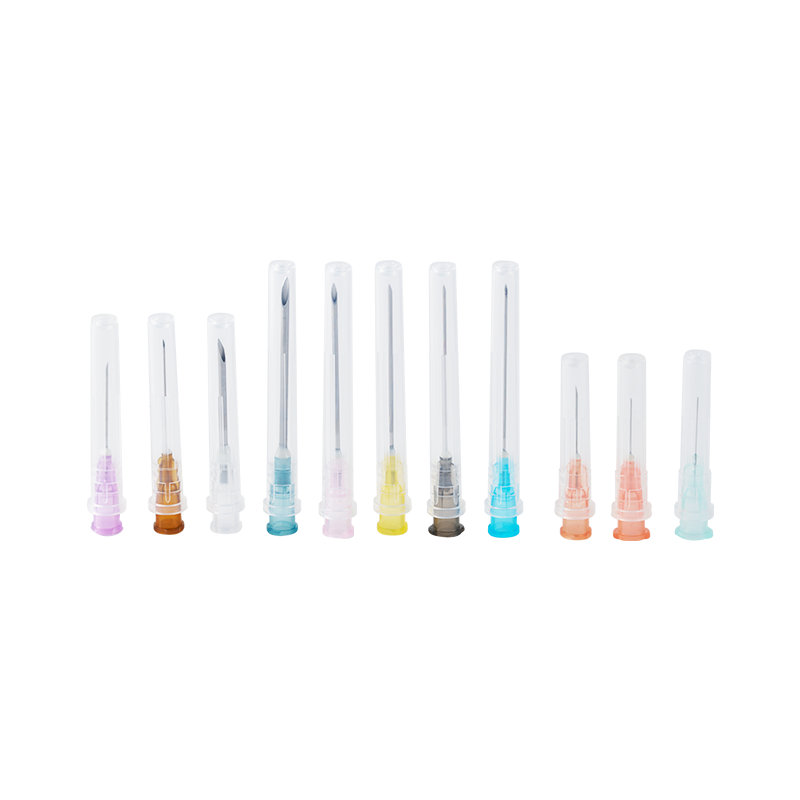
The cannula is made of high quality austenite stainless steel.All the components...
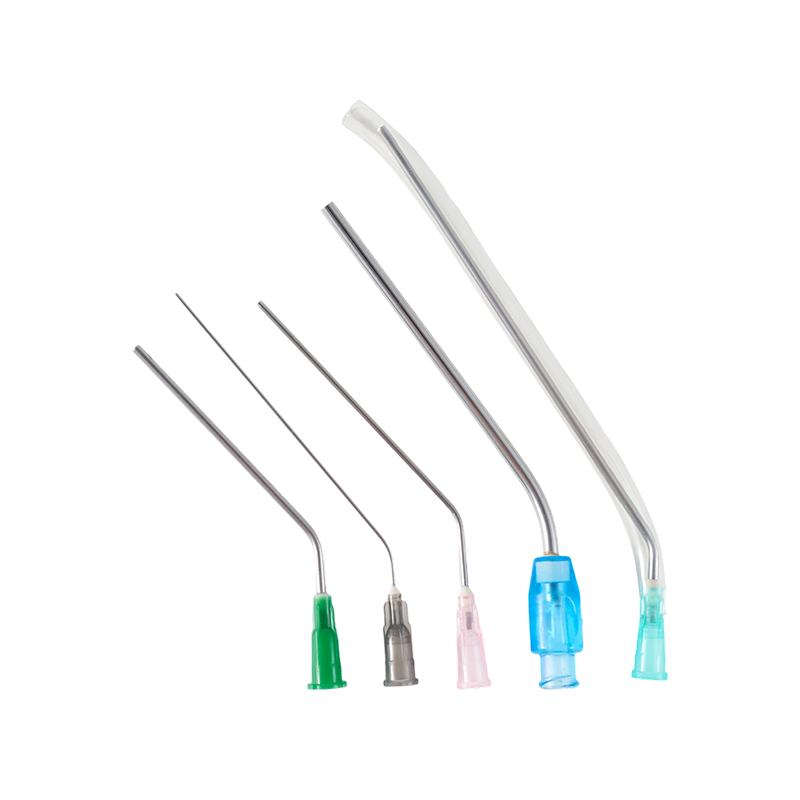
The material of the needle is Medical grade SUS304,which have great stiffness, t...
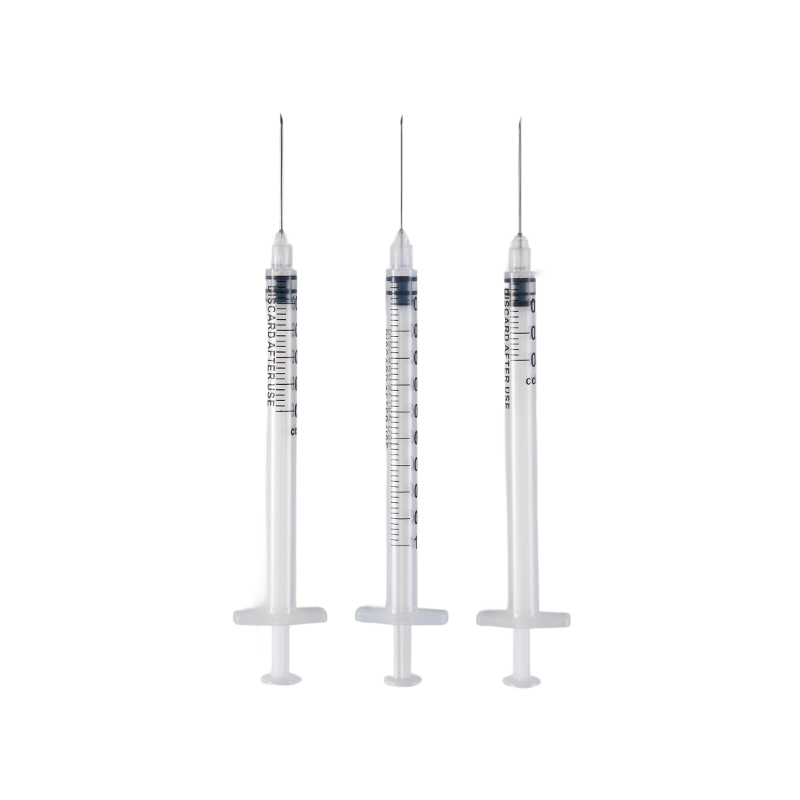
The barrel is made from high transparent polypropylene(PP),which have a bright a...
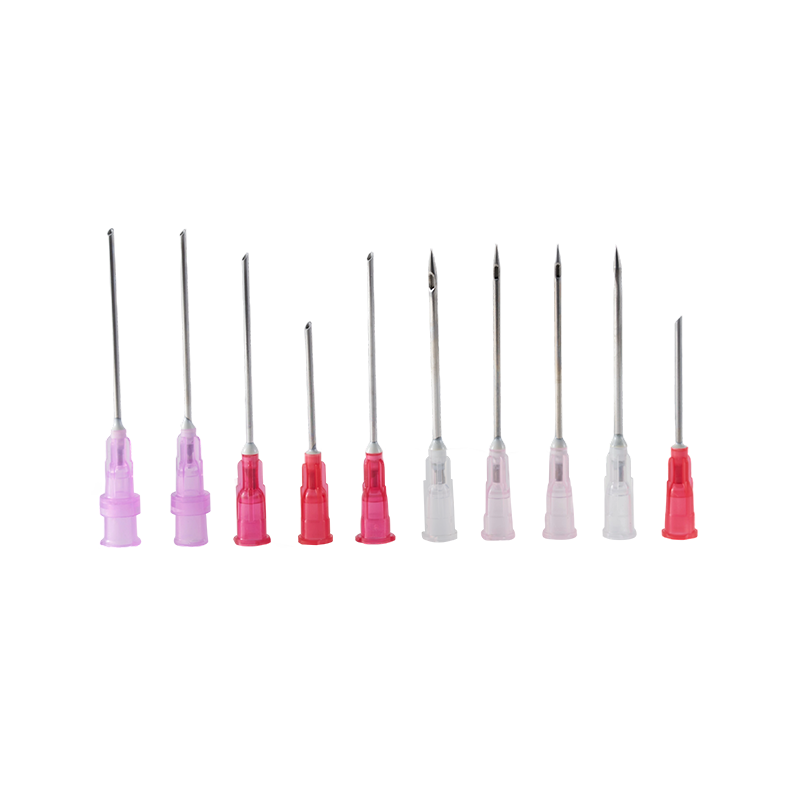
The cannula is made of high quality austenite stainless steel.The lancet tip is ...

Copyright© 2025 Zhejiang INI Medical Devices Co., Ltd.
Approval No:20150049
Medical Device Manufacturers
Disposable Medical Syringes Factory
