


 English
 Español
 中文简体
中文简体Don't hesitate to send a message
The design and production comply with ISO8537. The plastic parts are moulded by ...
The demand for disposable syringes just keeps climbing, and honestly, that's pushing healthcare systems, medical distributors, and professional users to actively hunt for supply sources they can actually trust and depend on long-term. Picking a factory really isn't just about confirming they've got product in stock, though. A reliable disposable syringe factory needs a clear, well-defined production process, quality control that stays consistent batch after batch, management that actually takes responsibility, and the flexibility to meet different market needs as they come up.
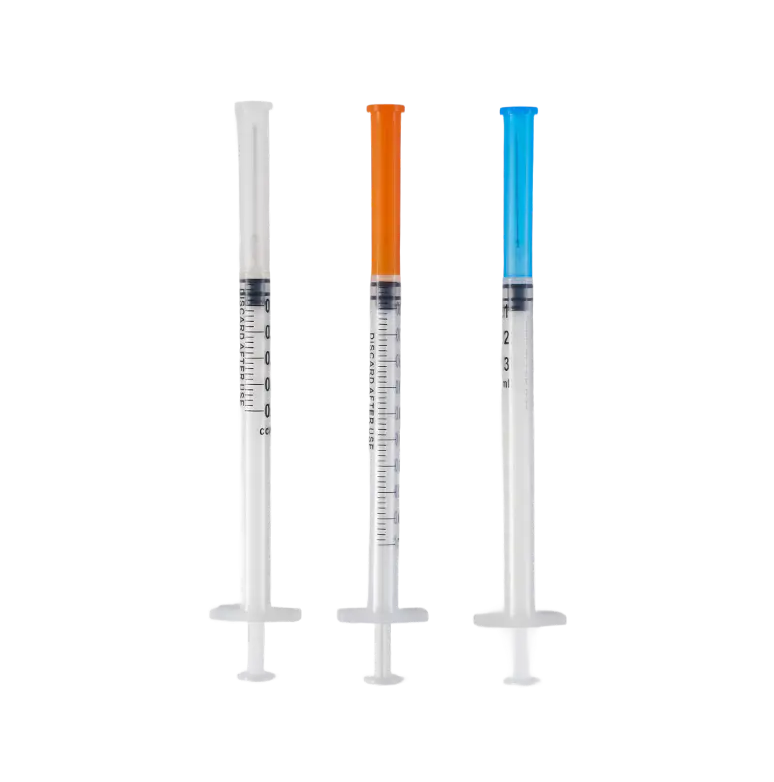
For buyers, landing on the right manufacturing partner can cut down supply risks significantly and make long-term cooperation a lot smoother down the road. That said, plenty of factories end up looking pretty similar on the surface once you're deep in the selection process. Understanding what actually separates a trustworthy supplier from the rest is really what helps buyers make better calls here.
Experience often reflects how well a factory understands customer requirements and market changes. A manufacturer that has worked in the disposable medical product field for a long time usually has a clearer production workflow and stronger quality awareness.
A mature factory normally pays attention to every stage of production. From material selection and production management to packaging and delivery, each step requires careful control. This approach helps reduce unexpected issues during cooperation.
Factory experience also affects communication. Experienced manufacturers are more familiar with export procedures, customer expectations, and different market requirements. They can usually provide clearer responses when buyers ask about product details, packaging options, or cooperation processes.
However, experience should not be judged only by the number of years in business. Buyers can also look at the factory's production organization, employee training, customer service ability, and improvement practices.
| Factor | Why It Matters |
|---|---|
| Production experience | Shows familiarity with customer needs and manufacturing processes |
| Industry understanding | Helps the factory respond to market changes |
| Communication ability | Makes cooperation smoother |
| Management system | Supports stable production and service |
A reliable factory is usually not only focused on making products. It also understands the importance of building stable relationships with customers.
Production management is an important part of evaluating a disposable syringe factory. A well-organized factory usually has clear procedures for handling materials, production steps, inspection, and packaging.
Good production management helps maintain consistency. Medical products require careful attention because users depend on their safety and reliability. A factory that takes production management seriously will usually create internal rules to monitor each stage.
Buyers can learn about factory management through several aspects:
A clean and organized production environment can reflect the factory's attitude toward product responsibility. While appearance alone cannot determine everything, it can provide useful information during factory evaluation.
Manufacturers that invest time in improving internal management often have better control over possible problems. This can help customers receive more stable supplies and reduce unnecessary communication during cooperation.
Quality control is one of the key factors when selecting a disposable syringe factory. A trustworthy manufacturer understands that product quality is connected with customer trust and market reputation.
A responsible factory usually creates inspection steps throughout the manufacturing process rather than checking products only at the end. This allows potential issues to be noticed earlier.
Buyers can pay attention to how a factory manages:
A factory with a strong quality mindset will usually be willing to explain its inspection process and provide relevant documents when needed.
Transparency is also important. A manufacturer that clearly communicates quality practices often creates more confidence for buyers. If a factory avoids discussing quality management or provides unclear answers, buyers may need to consider other options.
Quality control is not only about avoiding problems. It also represents how seriously a factory treats its responsibility toward customers and end users.
Different buyers really do have different purchasing needs. Some distributors just need a regular, steady supply, while others might be looking for customized packaging or specific product combinations altogether. A factory with a suitable product range can usually offer a lot more flexibility here.
A wider product range might suggest that a manufacturer has stronger production planning and a better grasp of the market overall. That said, variety shouldn't come at the expense of quality, though. A factory offering tons of products still needs to keep careful management going across all its production lines — otherwise things start slipping.
When weighing product options, buyers might want to think about:
A flexible manufacturer tends to adjust a lot better once customer demands start shifting. That's especially useful for distributors who need stable cooperation stretched out over a longer period.
The right factory isn't necessarily the one boasting the largest product category, either. It's the one that can actually deliver suitable solutions while keeping production reliable at the same time.
Compliance awareness really is a big consideration when it comes to medical product purchasing. Disposable syringes tie directly into healthcare applications, so manufacturers need a solid understanding of the relevant market requirements.
A responsible factory usually pays close attention to product documentation, production records, and quality management practices. Those details end up helping buyers figure out whether the manufacturer is actually following proper procedures or just cutting corners.
When talking with a factory, it's worth asking about:
A factory that genuinely values compliance tends to treat documentation as just part of normal business operations, not some extra burden tacked on.
Different countries and regions obviously come with different requirements, too. A manufacturer with real international cooperation experience usually has a better handle on how to support customers across different markets.
Compliance isn't just some box to check for business cooperation, either. It really reflects the factory's sense of responsibility toward product safety and, ultimately, customer confidence.
Communication plays an important role in supplier selection. Even a capable factory can create difficulties if communication is unclear or slow.
A reliable disposable syringe factory usually provides clear information before cooperation begins. It can answer questions about production, ordering, packaging, and delivery arrangements.
Good customer service often includes:
The communication process before an order can reveal a lot about the factory. If the sales team understands customer concerns and provides detailed explanations, it often indicates better internal coordination.
Long-term cooperation depends on more than product supply. It also requires trust, communication, and problem-solving ability.
Supply stability is another factor buyers should consider. A factory needs suitable production organization to handle customer orders consistently.
A manufacturer with good capacity management can usually arrange production more effectively. This helps avoid delays caused by poor planning or internal confusion.
Buyers may evaluate:
| Area | What Buyers Can Consider |
|---|---|
| Production planning | Whether orders can be organized properly |
| Inventory management | Whether materials and products are managed well |
| Delivery coordination | Whether shipment arrangements are clear |
| Expansion ability | Whether the factory can support future needs |
A factory does not need to be extremely large to be reliable. More important is whether it can manage its resources properly and keep promises made to customers.
Stable cooperation comes from a combination of production ability, management experience, and responsible service.
Selecting a disposable syringe manufacturers requires careful comparison. Instead of focusing on only one factor, buyers should review the factory from different perspectives.
A practical evaluation process may include:
Review factory information
Learn about the manufacturer's background, production organization, and service scope.
Communicate directly
Ask questions about products, cooperation methods, and quality practices.
Check supporting documents
Understand the factory's compliance awareness and management approach.
Evaluate communication quality
Notice whether the factory provides clear and professional responses.
Consider long-term cooperation
Think about whether the manufacturer can support future business growth.
A supplier relationship is built through continuous cooperation. Choosing a factory with responsible management and clear communication can create a more stable business connection.
The process of selecting a disposable syringe factory requires attention to many details. Product quality, factory management, service ability, and cooperation attitude all influence the final decision. Buyers who carefully evaluate these factors can better identify manufacturers that match their business needs.
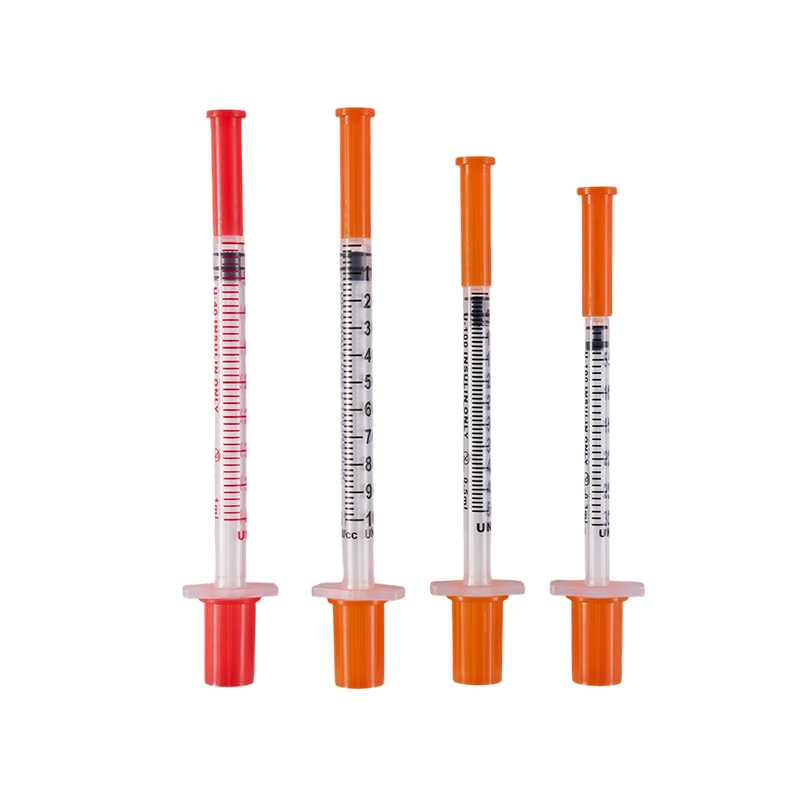
The design and production comply with ISO8537. The plastic parts are moulded by ...
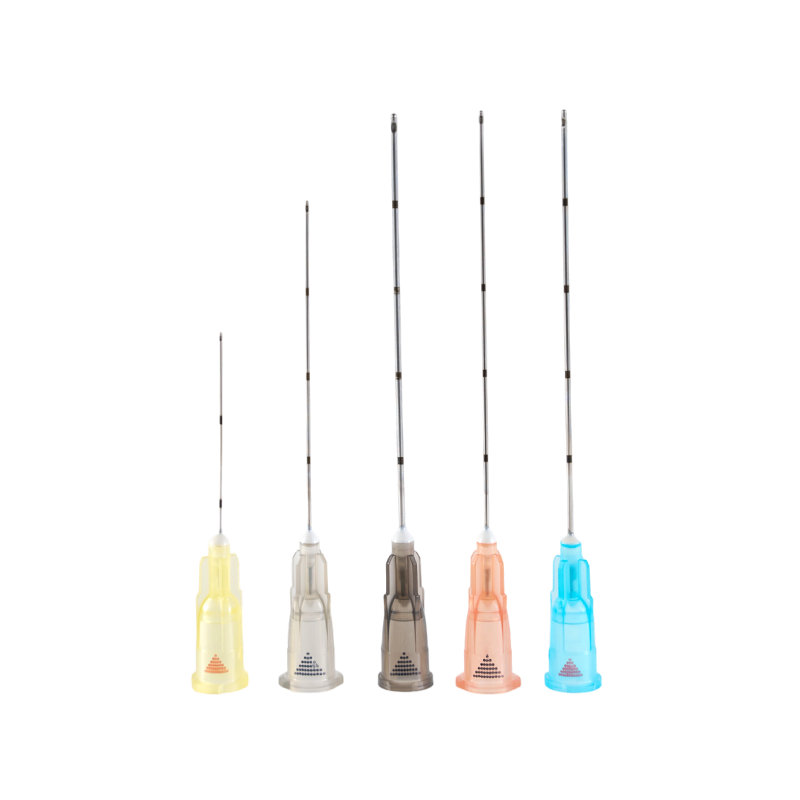
There are three kinds of the tip types, Sealed-circle with 2 side holes, sealed-...
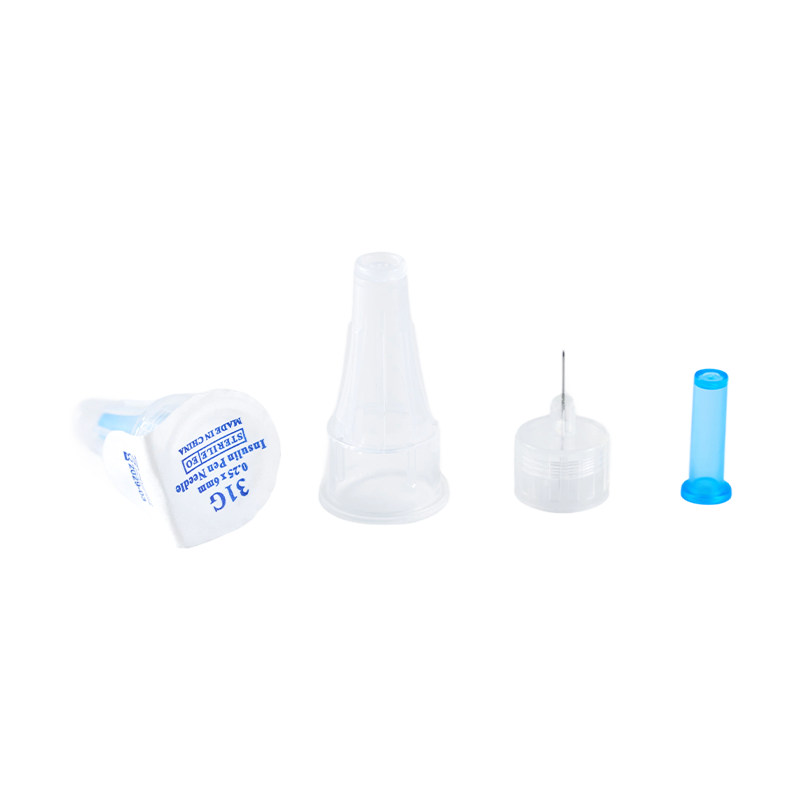
Assembling with insulin pen, for insulin hypodermic injection.The plastic parts ...
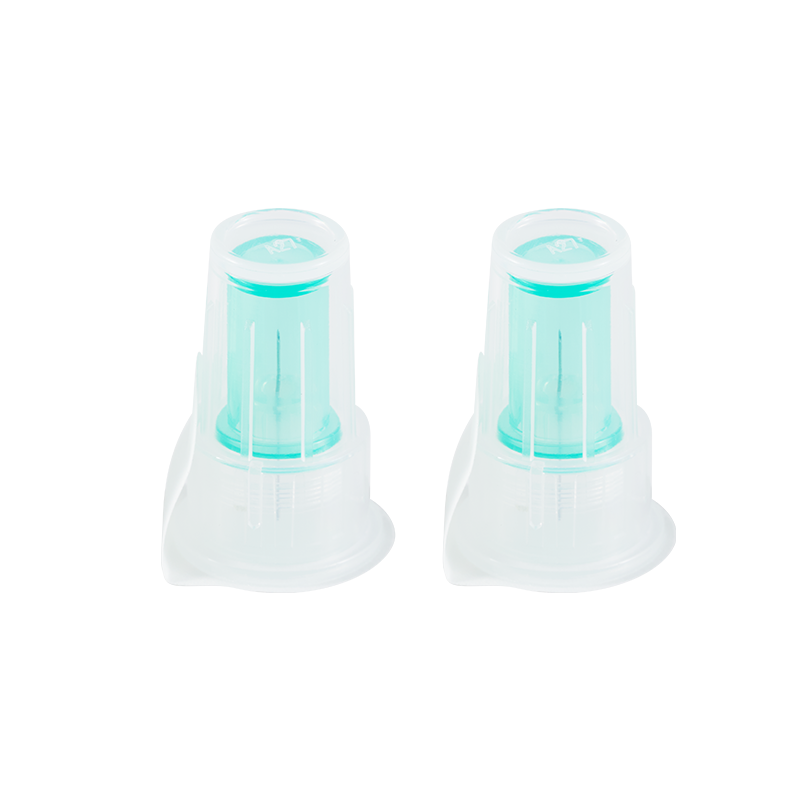
Used in conjunction with an insulin pen, it is used for subcutaneous injection o...
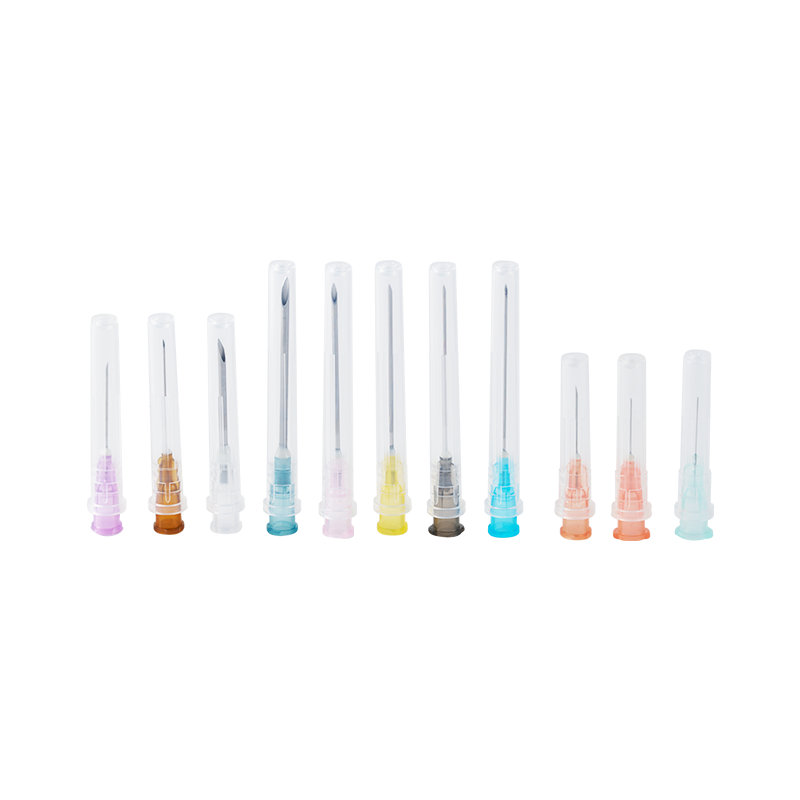
The cannula is made of high quality austenite stainless steel.All the components...
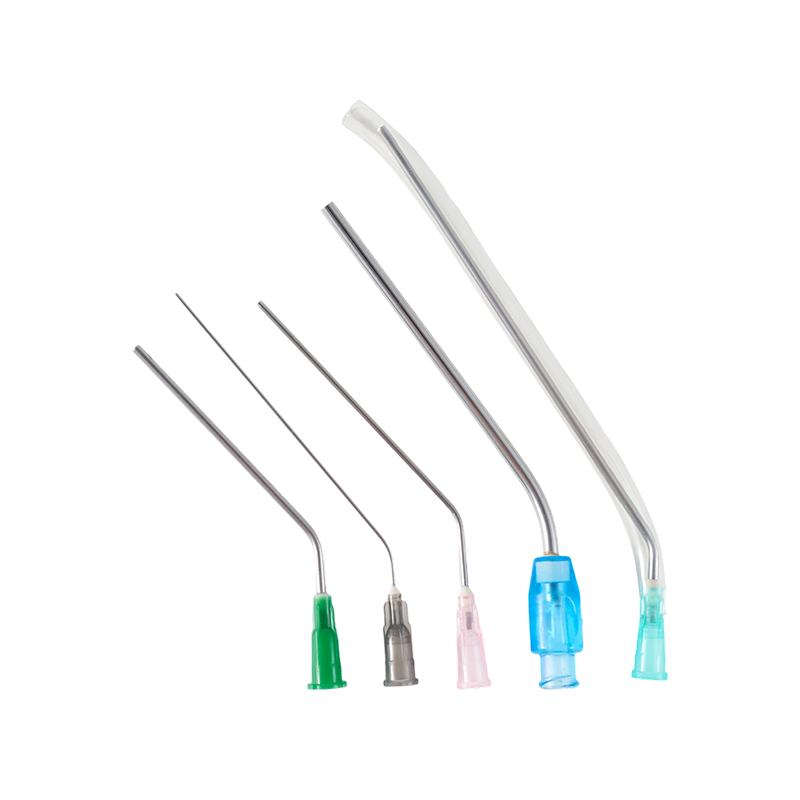
The material of the needle is Medical grade SUS304,which have great stiffness, t...
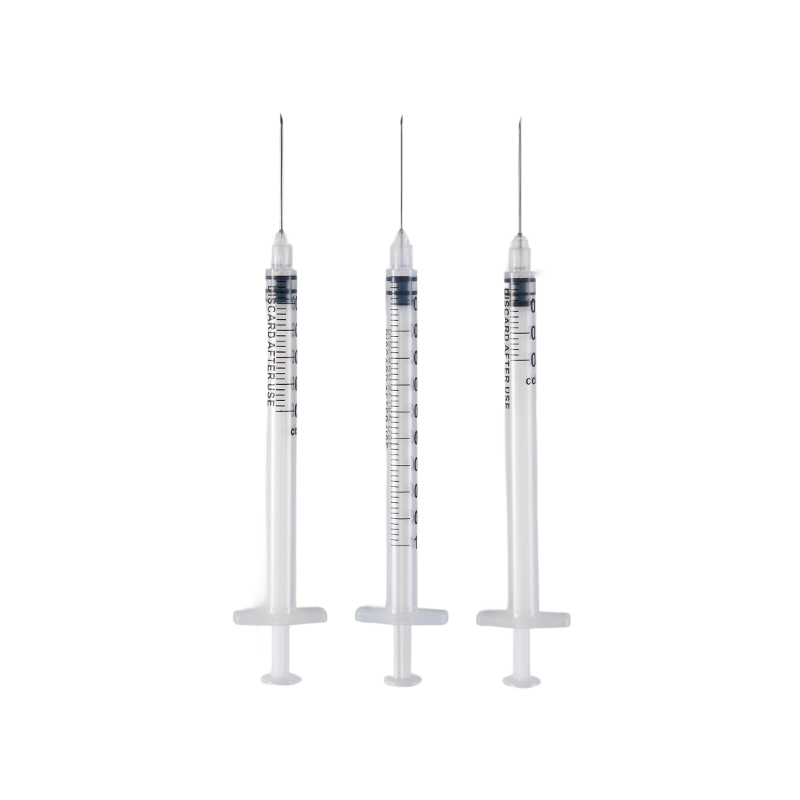
The barrel is made from high transparent polypropylene(PP),which have a bright a...

The cannula is made of high quality austenite stainless steel.The lancet tip is ...

Copyright© 2025 Zhejiang INI Medical Devices Co., Ltd.
Approval No:20150049
Medical Device Manufacturers
Disposable Medical Syringes Factory
