


 English
 Español
 中文简体
中文简体Don't hesitate to send a message
The design and production comply with ISO8537. The plastic parts are moulded by ...
Sourcing disposable syringes might sound like a basic purchasing task, but there's much more to consider than just product stock. Medical manufacturers, distributors and procurement teams all know their chosen supplier directly impacts daily workflows, production planning and long-term partnerships.
The medical supply space now places heavy emphasis on consistent reliability. Buyers don't just source products to fill immediate demands. They look for suppliers that stay attuned to shifting market demands and can adjust output as specifications change.
Disposable syringe manufacturers quietly support all kinds of healthcare operations. Every step along the supply chain, from production scheduling to order follow-ups, affects how seamless a buyer's procurement process will be.
Today's purchasers take a hard look at how each supplier runs their business. They check if a vendor can maintain steady collaboration, handle varied custom requests, and communicate openly whenever issues surface.
This industry shift has made supplier reviews far more thorough. Companies no longer focus only on single orders; their priority is building stable, trustworthy long-term supply partnerships.
| Key Area Buyers Consider | Why It Receives Attention |
|---|---|
| Production management | Shows how suppliers handle daily operations |
| Communication process | Affects cooperation efficiency |
| Product consistency | Influences purchasing confidence |
| Service ability | Helps manage future needs |
Before contacting a supplier, buyers usually need a clear understanding of their own requirements. Different businesses may have different priorities depending on their customers, distribution channels, and market plans.
Some buyers may need a stable source for regular orders. Others may be looking for a supplier that can adjust to changing demands. Without a clear purchasing goal, it can be difficult to judge whether a supplier is suitable.
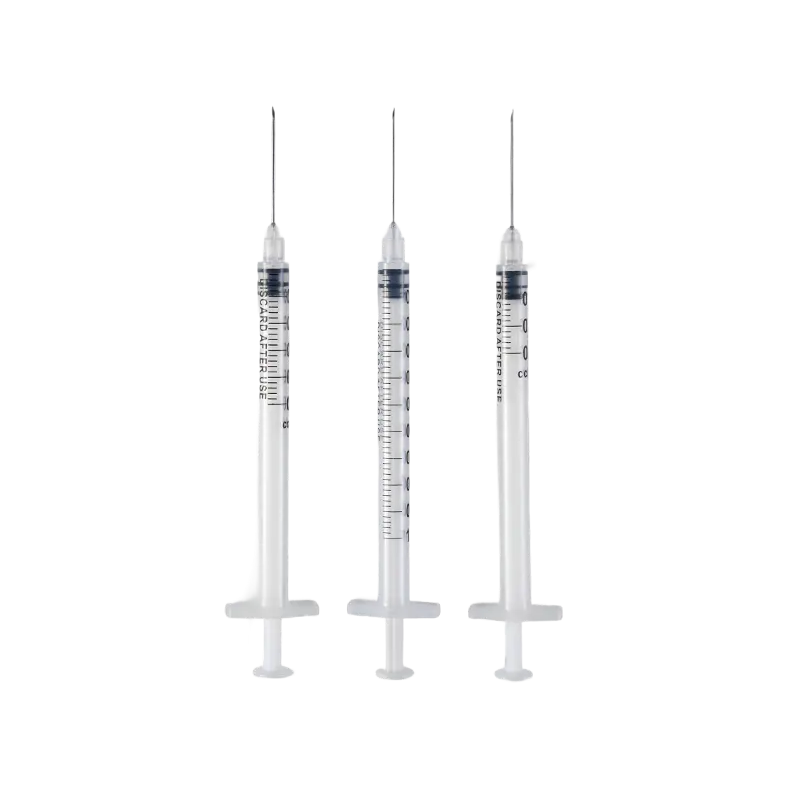
A disposable syringe supplier should be able to explain its production approach, cooperation process, and service methods in a clear way. Buyers often gain a better understanding of a supplier by asking detailed questions and observing how the supplier responds.
Communication during the early stage can reveal many details. A supplier that listens carefully and provides practical information often creates a smoother cooperation experience later.
Price is naturally one factor in purchasing decisions, but it is not the only consideration. A lower purchasing cost may not bring the expected value if communication, supply arrangements, or service support are difficult to manage.
Many experienced buyers look at the complete cooperation process rather than a single transaction.
How long a supplier has run manufacturing operations directly impacts their ability to grasp what customers truly need.
Disposable medical goods demand tight oversight at every production stage. Suppliers have to structure their workflows well and stick to uniform standards in day-to-day manufacturing.
Years of hands-on production work also lets suppliers anticipate typical roadblocks. Clients all come with unique specs, and seasoned manufacturers know exactly how to adapt to these varying demands.
Take medical distributors as an example: they often raise questions around order scheduling, product documentation or long-term partnership terms. Suppliers with real industry experience can answer these questions plainly and efficiently.
This doesn't mean every buyer needs an identical supplier profile. Each business operates under distinct circumstances. What counts most is whether a supplier can recognize client requirements and deliver workable solutions.
A supplier's industry know-how shows through more than just their production lines. It also shines in client communication, issue resolution and overall collaboration style.
Quality sits at the core of any medical product procurement process. Buyers need full assurance that suppliers enforce strict oversight from start to finish during manufacturing.
When vetting disposable syringe makers, businesses don't only check finished goods. They also audit raw material storage, production workflows, in-line testing protocols and internal compliance rules.
Suppliers with standardized, well-documented quality procedures can walk buyers through every step of product handling before shipment.
Openness is critical for medical supply partnerships. Buyers favor suppliers that lay out their operational processes in specific terms, rather than offering vague, generic descriptions.
Solid quality control systems also lay the groundwork for lasting cooperation. When buyers trust a supplier's internal standards, they can build more predictable procurement schedules.
Quality and client trust go hand in hand. Suppliers that stay attentive to small production details stand a much better chance of fostering stable, long-running partnerships with their buyers.
Communication is one of the easiest factors to ignore during supplier selection. However, it often becomes one of the most noticeable parts of cooperation after the relationship begins.
A buyer may have questions about products, delivery arrangements, or future plans. The way a supplier responds can influence the overall experience.
Clear communication reduces confusion. It allows both sides to discuss expectations before problems become larger.
Medical supply chains can change for many reasons. Customer demand may shift, purchasing plans may be adjusted, or businesses may enter new markets. During these situations, suppliers that maintain open communication can work more effectively with buyers.
Good communication is not only about answering questions. It also includes understanding customer concerns and providing useful feedback.
Over time, regular communication helps suppliers understand buyer preferences. It also allows buyers to become more familiar with the supplier's working style.
A strong supplier relationship is usually developed through many small interactions rather than one single agreement.
Healthcare markets continue to develop. Buyers may face changing requirements as customer expectations and business conditions evolve.
Because of this, flexibility has become an important factor when selecting suppliers.
A flexible disposable syringe manufacturers can respond more easily when buyers need adjustments. These changes may involve order planning, product arrangements, or cooperation methods.
Flexibility does not always mean creating completely different products. Sometimes it means being able to communicate effectively, adjust service approaches, and understand different business situations.
For distributors and healthcare companies, this can make daily operations easier. They can work with a supplier that understands their changing needs instead of following a fixed process that does not match their situation.
Suppliers with flexible approaches are often more prepared for long-term cooperation. They can adapt as customer requirements develop.
| Flexible Supplier Ability | Value for Buyers |
|---|---|
| Responsive communication | Easier cooperation |
| Adaptable service | Better support for changing needs |
| Clear coordination | Smoother purchasing process |
| Long-term cooperation mindset | More stable business relationship |
You can't finish assessing a supplier the moment you receive your order. The follow-up support they offer afterward tells you plenty about what it's really like to work with them.
Buyers will inevitably need help at later stages of cooperation. Issues often come up when placing repeat orders, arranging stock or expanding business lines. Suppliers who keep in steady touch make clients feel far more secure.
The level of post-delivery support shows how a supplier sees your partnership. Some vendors only care about closing a single deal and offer little follow-up help. Those who value long-term collaboration will actively listen and act on your feedback.
For medical firms, regular open communication makes managing suppliers much simpler. Any potential problems can be sorted out early, before they disrupt your overall business plans.
Small daily exchanges reveal a supplier's real service mindset. How quickly they reply and how clearly they communicate both shape the whole working relationship.
Strong long-term supply partnerships rely on consistent ongoing care, not just the first one-time purchase.
The role of medical suppliers is changing. Buyers today expect more than product availability. They want suppliers that understand their business environment and can cooperate through different stages of development.
Disposable syringe suppliers are becoming more focused on customer relationships, production management, and flexible cooperation methods.
For buyers, selecting a supplier means looking at the complete picture. Product quality, manufacturing experience, communication style, and service ability all influence the final decision.
The medical industry requires careful cooperation between different parts of the supply chain. Suppliers that understand buyer expectations can create smoother connections between production and demand.
As healthcare needs continue to change, supplier selection will remain an important part of business planning. Buyers who evaluate suppliers from multiple perspectives can build stronger and more stable cooperation relationships.
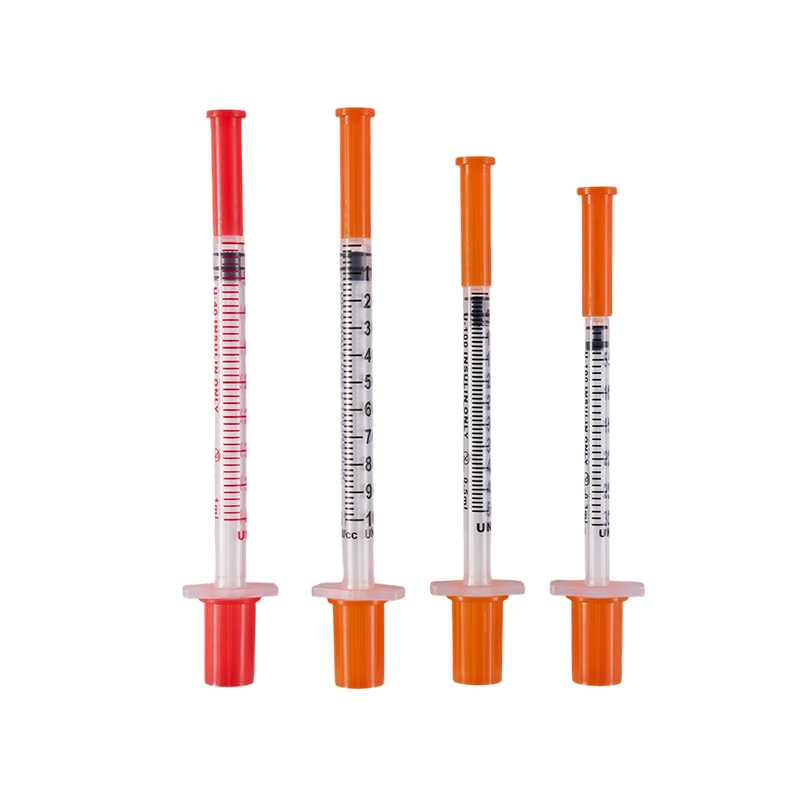
The design and production comply with ISO8537. The plastic parts are moulded by ...
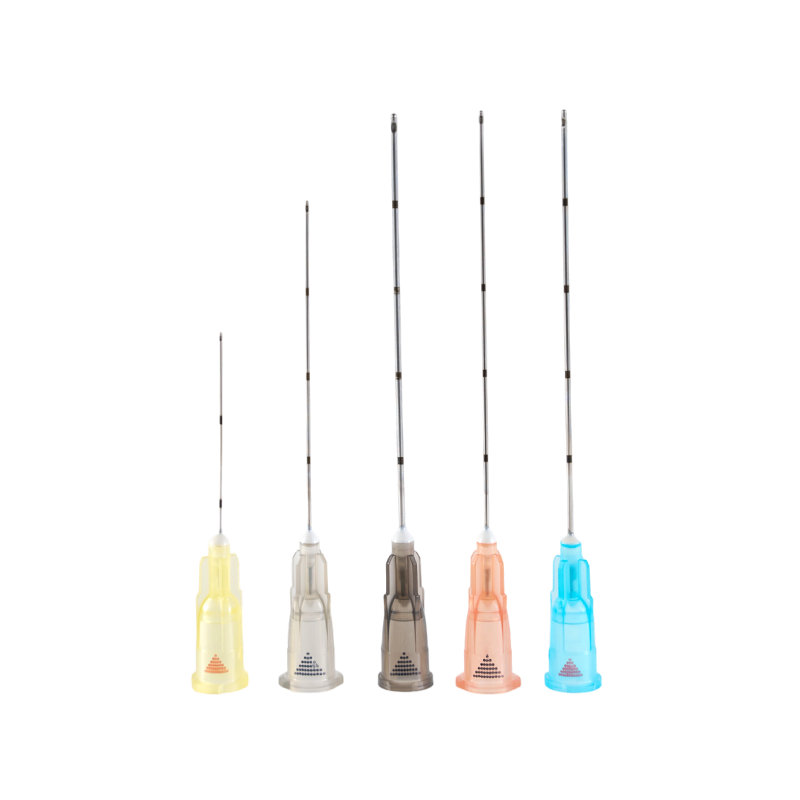
There are three kinds of the tip types, Sealed-circle with 2 side holes, sealed-...
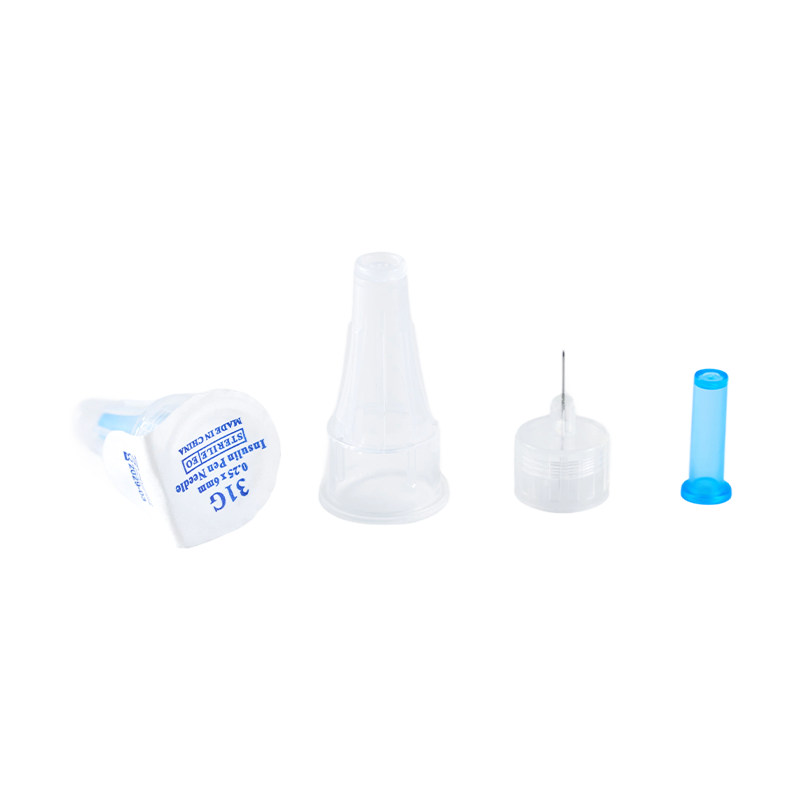
Assembling with insulin pen, for insulin hypodermic injection.The plastic parts ...
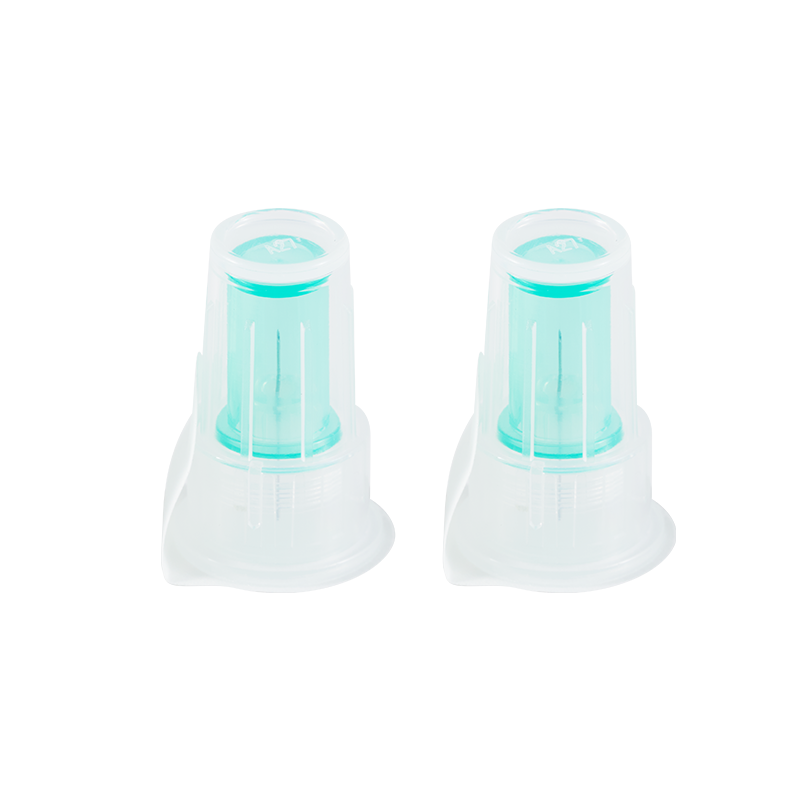
Used in conjunction with an insulin pen, it is used for subcutaneous injection o...
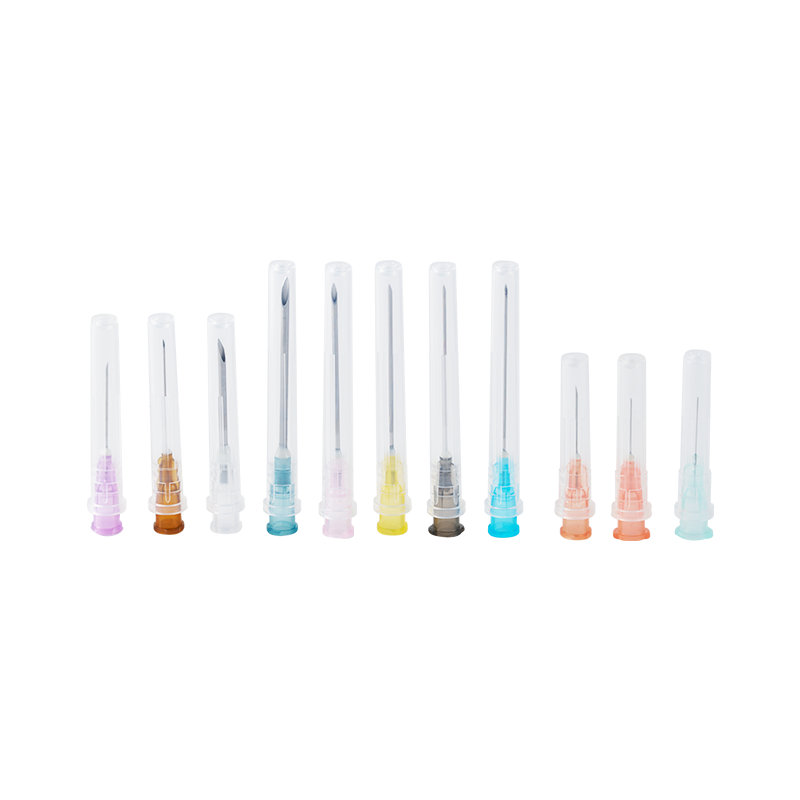
The cannula is made of high quality austenite stainless steel.All the components...
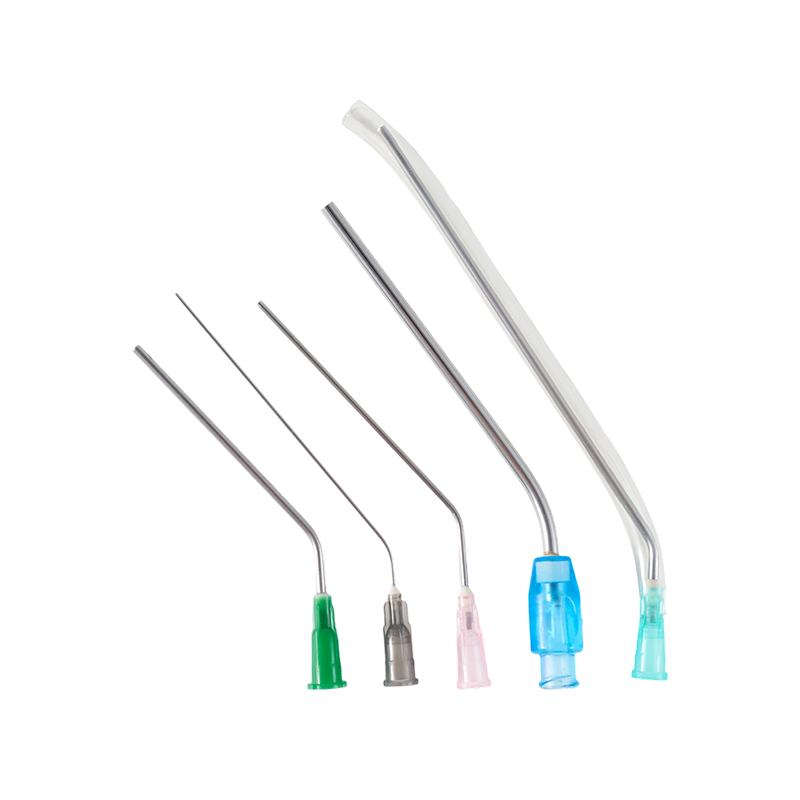
The material of the needle is Medical grade SUS304,which have great stiffness, t...
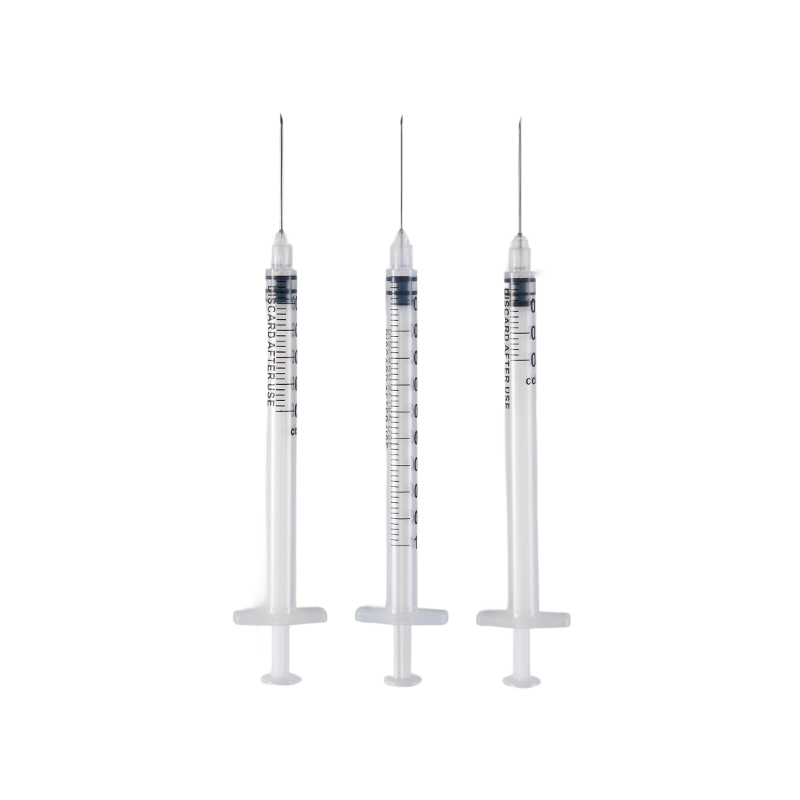
The barrel is made from high transparent polypropylene(PP),which have a bright a...

The cannula is made of high quality austenite stainless steel.The lancet tip is ...

Copyright© 2025 Zhejiang INI Medical Devices Co., Ltd.
Approval No:20150049
Medical Device Manufacturers
Disposable Medical Syringes Factory
