


 English
 Español
 中文简体
中文简体Don't hesitate to send a message
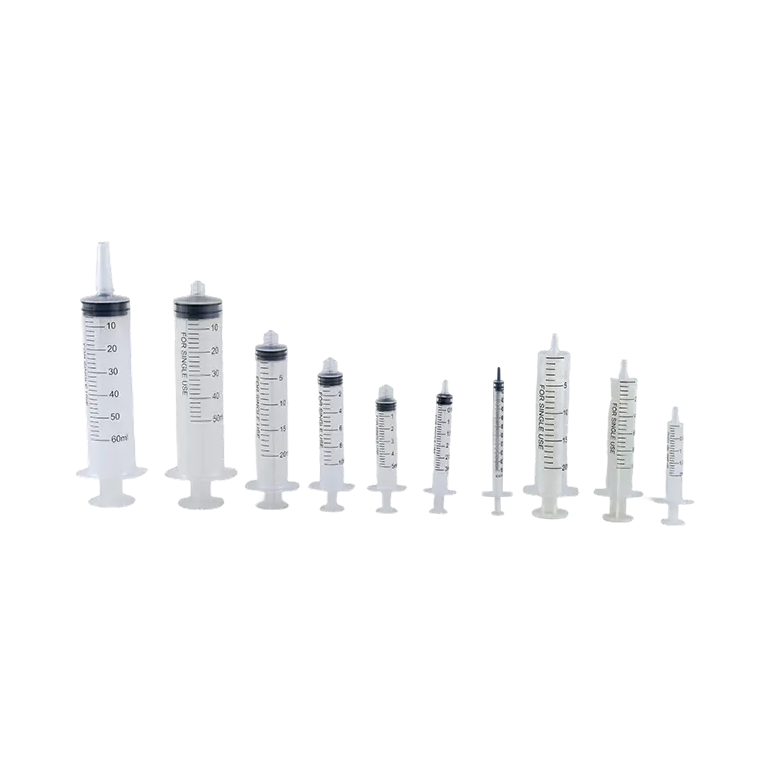
The design and production comply with ISO8537. The plastic parts are moulded by ...
The medical industry keeps advancing fast. New treatment tools and clinical solutions set stricter standards for raw material choices, manufacturing standards and long-term product stability. Countless medical devices rely on tiny, vital internal parts to function safely and reliably.
Hypodermic tubing falls into this category. It looks straightforward at first glance, yet it's integral to a wide range of clinical equipment. The tubing's quality, consistent batch output, and a supplier's capability to handle custom requests all have a direct bearing on how medical brands roll out new products.
Today's tubing manufacturers take a far more hands-on role in product creation. Their job no longer stops at making and shipping finished tubing. Most maintain close collaboration with medical manufacturers to fully grasp their clinical use cases, then deliver customized solutions matching their exact needs.
Current medical projects often call for versatile components suited to unique designs, manufacturing flows and clinical operating conditions. Suppliers able to adjust their output to match shifting project needs offer consistent support at every stage of development.
Partnerships between tubing vendors and medical producers have grown far tighter. Choosing a supplier is no longer just a simple procurement step; it's a core part of the full product development roadmap.
| Supplier Support Area | Influence on Medical Applications |
|---|---|
| Material selection support | Helps match product requirements |
| Production flexibility | Allows different application needs to be considered |
| Communication with customers | Improves cooperation during development |
| Continuous service | Supports long-term product improvement |
Medical products often depend on many small components working together. A single part can affect the overall function and user experience of a device.
Hypodermic tubing is widely considered an important component in many medical applications because it supports the movement of fluids and helps connect different parts within medical systems.
During product development, manufacturers need to consider how each component fits into the complete design. The tubing must match the purpose of the product and work well with other parts.
This is where suppliers become valuable partners. Experienced hypodermic tubing suppliers understand that medical manufacturing requires careful planning. They focus not only on producing tubing but also on understanding how it will be used.
Different medical applications may have different expectations. Some products may require specific designs, while others may focus more on production efficiency or long-term reliability.
Suppliers that understand these differences can provide better guidance. They help manufacturers consider suitable options during the early stages of development.
The importance of hypodermic tubing is not only related to the product itself. It is also connected with how suppliers support the entire manufacturing process.
Medical manufacturing keeps evolving year by year. Factories launch new medical products and upgrade existing designs, which brings new challenges to tubing suppliers.
Suppliers producing hypodermic tubing have to stay flexible. They learn that each customer sets distinct standards according to their product targets and assembly workflows.
Suppliers who only run fixed standard production cannot keep pace with shifting market demands. Medical manufacturers now tend to choose partners who communicate openly and deliver customizable solutions.
Suppliers show flexibility through multiple practical approaches: adjusting production processes, matching various custom designs, or helping customers resolve technical problems in the product development stage.
Well-established suppliers have rich experience serving diverse medical projects. This practical knowledge lets them quickly identify common troubles within medical production lines.
Medical companies enjoy a much smoother product development process when cooperating with flexible tubing suppliers. They can share design ideas freely and get practical advice based on real manufacturing cases.
Adaptability has turned into a key standard when medical manufacturers assess and select long-term tubing suppliers.
Selecting a supplier is an important step in medical product development. The decision is not only about receiving a product. It is also about building a reliable cooperation relationship.
Medical companies usually consider several aspects when evaluating suppliers.
Understanding of medical applications
A supplier with knowledge of medical manufacturing can better understand customer expectations. This makes communication easier and reduces misunderstandings during cooperation.
Production capability
A supplier needs to manage different customer requirements while maintaining stable production processes. This helps manufacturers plan their product development more effectively.
Communication ability
Clear communication is important throughout the cooperation process. Suppliers need to understand customer needs, while customers need to receive practical information.
Long-term support
Medical products often require continuous improvement. A supplier that provides ongoing assistance can support manufacturers during different development stages.
These factors influence more than the purchasing process. They affect how smoothly medical products move from design ideas to actual production.
Creating new medical products takes teamwork across different businesses. Medical factories come up with new product ideas, and tubing suppliers share first-hand knowledge of raw materials and what can realistically be made.
Tubing makers draw on years of hands-on production experience to back innovation work. They walk customers through all practical options that fit their design goals.
New product development almost always runs into unforeseen technical snags. Most designs need tweaks before mass production can kick off. Bringing suppliers into talks early lets teams sort out fixes long before manufacturing starts.
This two-way collaboration lets medical brands refine their designs without overlooking real factory limitations.
Suppliers also learn from every customer project they take on. Each unique medical use case adds to their practical know-how, making future partnerships run more smoothly.
Medical factories and tubing vendors now operate more as joint partners. Both sides swap technical details and build new items together to keep up with changing medical field requirements.
This shared way of working speeds up the whole development cycle, turning rough design concepts into usable finished components much faster.
Medical device work never follows a one-size-fits-all standard. Every finished medical product calls for unique manufacturing processes, and a tubing supplier's capacity to shift their production setup makes a huge difference in how well they serve client demands.
Flexible manufacturing lets suppliers keep up with varied custom requests. Medical brands often tweak product specs as they move through development cycles, and suppliers need enough operational wiggle room to handle these constant revisions.
Suppliers with flexible workflows cut down hold-ups and foster smoother communication with buyers. When client requirements shift, they won't stall the project; instead, they partner with customers to lock in practical, workable production plans.
This production agility also lets suppliers service both newly developed medical goods and mature product lines. Some clients order tubing components for brand-new prototype designs, while others come looking for updated parts to upgrade their existing market-ready medical devices.
| Production Consideration | Supplier Response |
|---|---|
| Different product designs | Provide suitable options |
| Changing customer needs | Adjust cooperation methods |
| Product improvement plans | Offer development support |
| Long-term projects | Maintain stable communication |
For medical companies, this flexibility creates more confidence during product development. They know they have a supplier that can respond when situations change.
Experience is valuable in medical manufacturing because many challenges come from details that are not always visible at the beginning.
Hypodermic tubing suppliers with industry experience often understand common customer concerns. They know that every application has different requirements and that small differences can affect the final product.
Experienced suppliers can provide suggestions based on previous cooperation. They may help customers consider factors that could influence production before problems appear.
This experience also improves communication. When suppliers understand medical manufacturing processes, they can explain available choices more clearly.
For companies developing new medical products, supplier experience can reduce uncertainty. Instead of solving every challenge alone, they can work with partners who understand the industry environment.
Long-term supplier relationships often develop through trust and communication. Over time, both sides gain a better understanding of each other's needs.
Medical applications will continue to develop as healthcare needs change. Manufacturers will need components and supplier support that can adapt to new product ideas and production requirements.
Hypodermic tubing suppliers are becoming an important part of this development process. Their role includes manufacturing support, communication, application understanding, and cooperation with medical companies.
The future of medical manufacturing depends not only on product design but also on the strength of supply relationships. Suppliers that understand customer needs and respond with flexible solutions can provide meaningful support throughout product development.
As medical applications become more diverse, cooperation between manufacturers and suppliers will continue to influence how new products are created and improved.
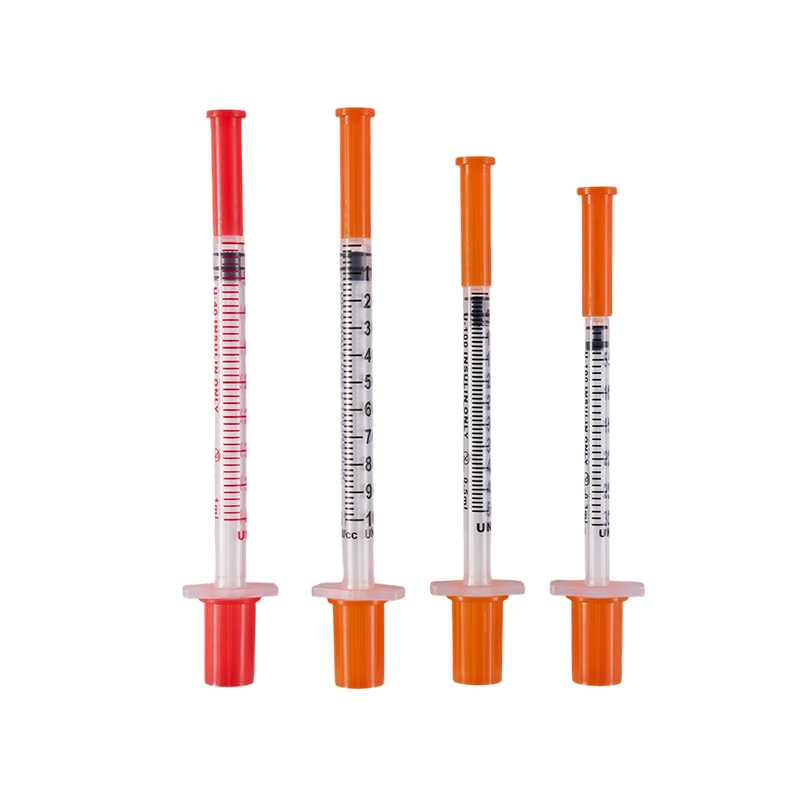
The design and production comply with ISO8537. The plastic parts are moulded by ...
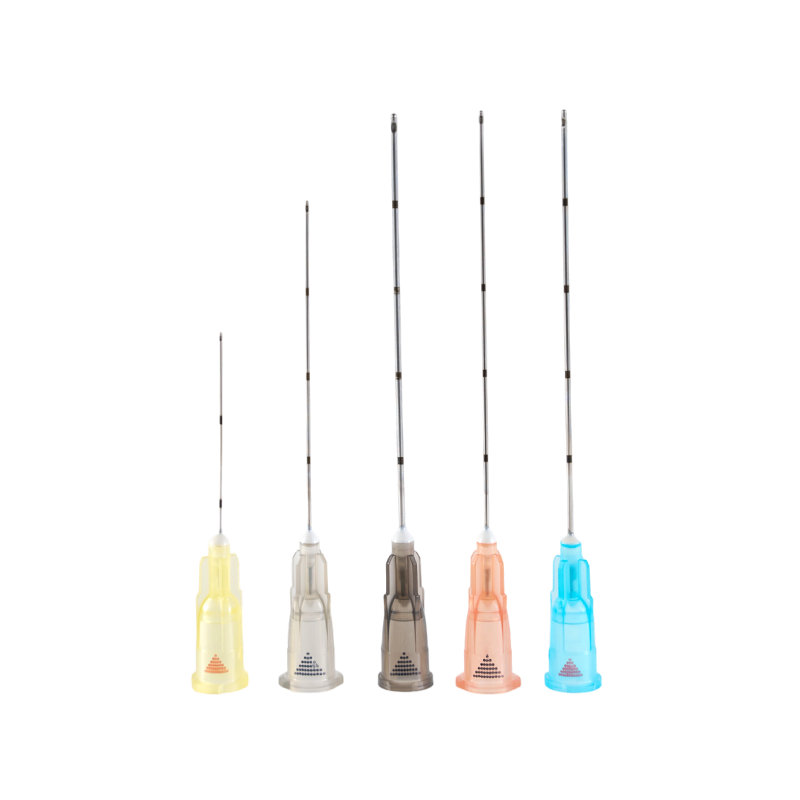
There are three kinds of the tip types, Sealed-circle with 2 side holes, sealed-...
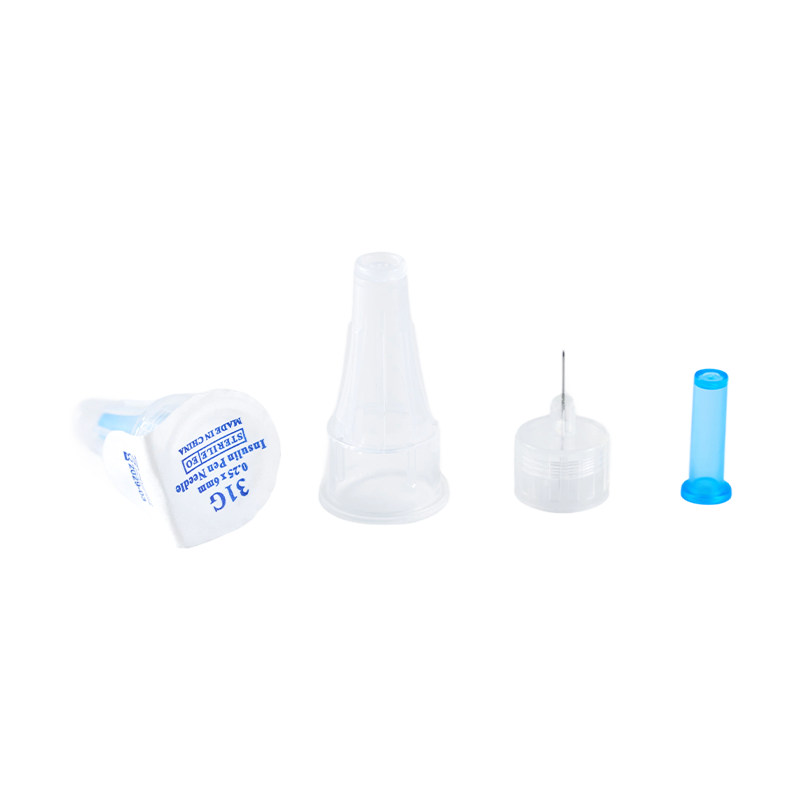
Assembling with insulin pen, for insulin hypodermic injection.The plastic parts ...
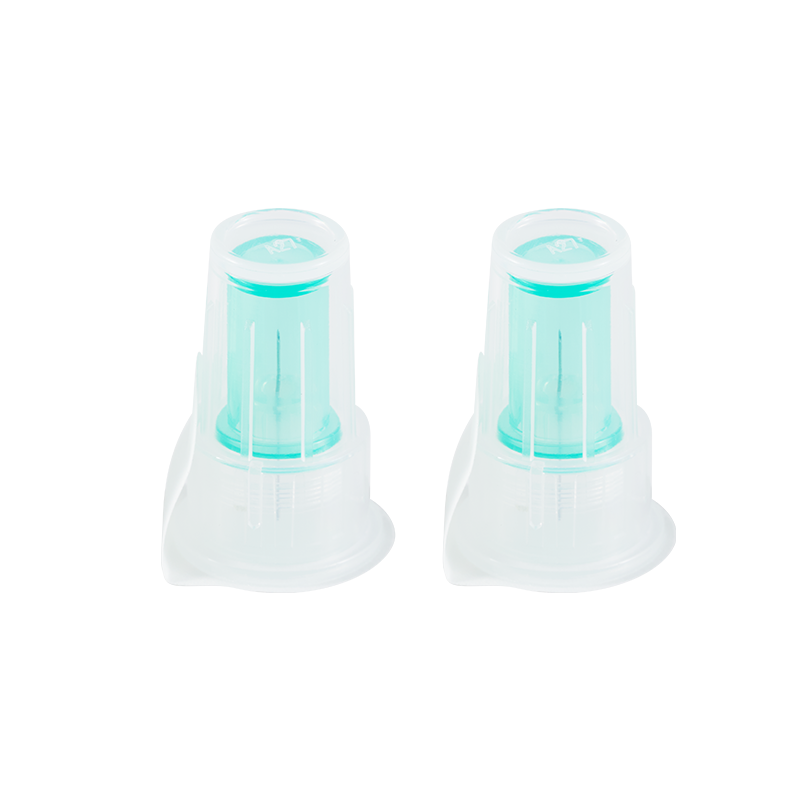
Used in conjunction with an insulin pen, it is used for subcutaneous injection o...
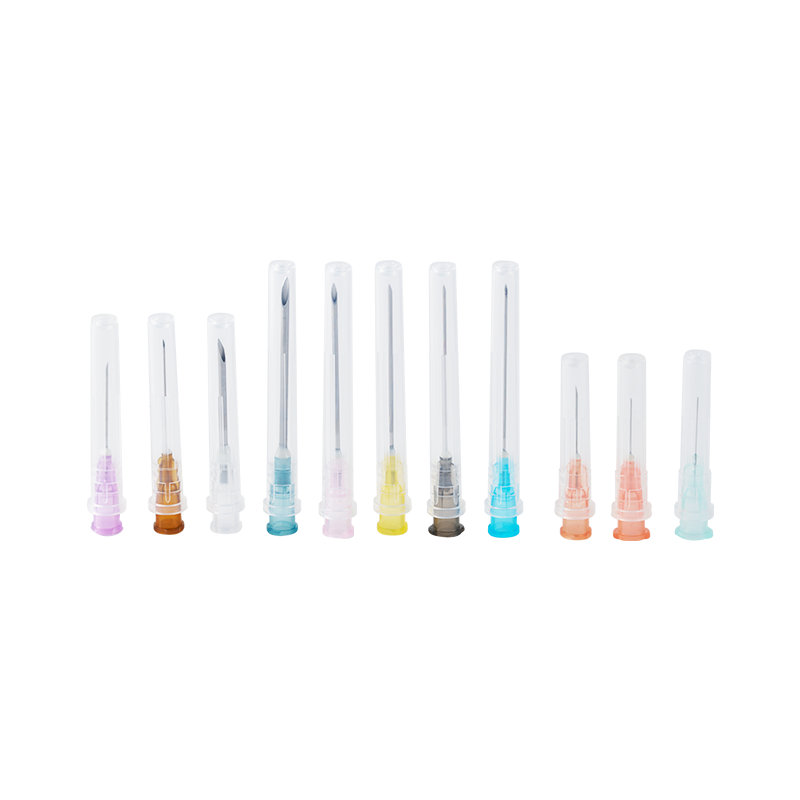
The cannula is made of high quality austenite stainless steel.All the components...
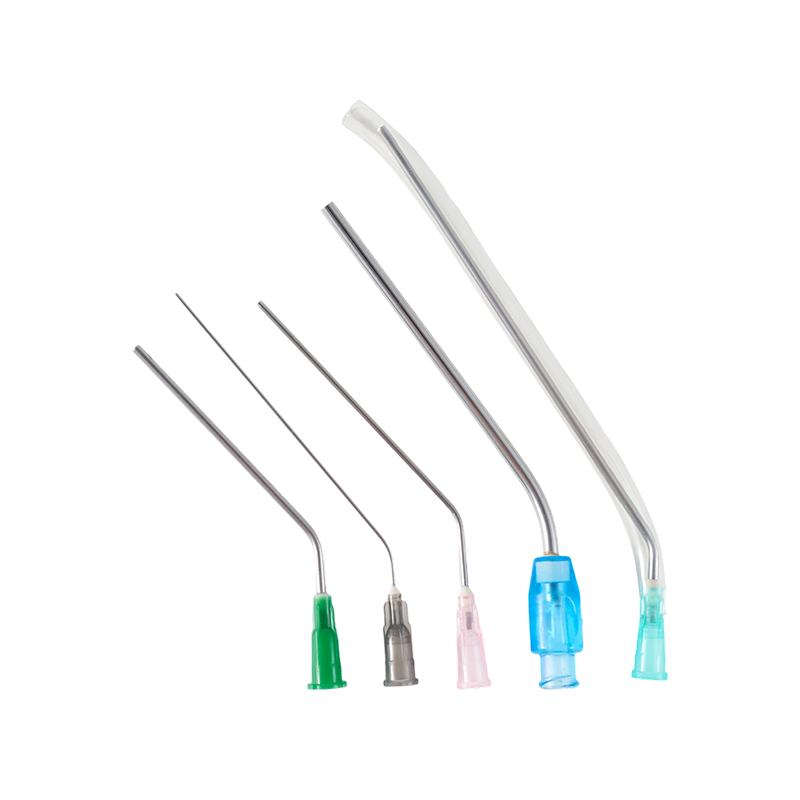
The material of the needle is Medical grade SUS304,which have great stiffness, t...
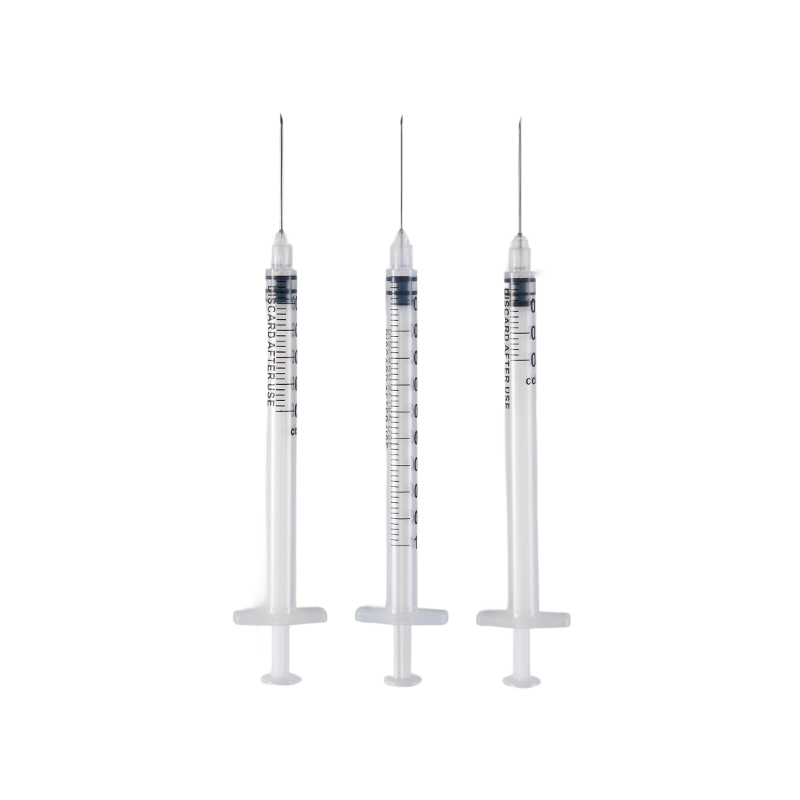
The barrel is made from high transparent polypropylene(PP),which have a bright a...

The cannula is made of high quality austenite stainless steel.The lancet tip is ...

Copyright© 2025 Zhejiang INI Medical Devices Co., Ltd.
Approval No:20150049
Medical Device Manufacturers
Disposable Medical Syringes Factory
