


 English
 Español
 中文简体
中文简体Don't hesitate to send a message
The design and production comply with ISO8537. The plastic parts are moulded by ...
The entire healthcare industry runs on a huge collaborative network, bringing together product manufacturers, raw material suppliers, logistics teams and various medical institutions. Most medical supplies used in routine patient care are first produced in factories, then transported step by step to local hospitals, community clinics and other medical service sites.
Hypodermic needles may look simple and tiny, but they play an essential role in this complete supply system. Making these medical tools is far more than just basic production work. It covers a full set of procedures, including raw material processing, factory operation management, supply schedule arrangement, and continuous teamwork among different enterprises across the industry.
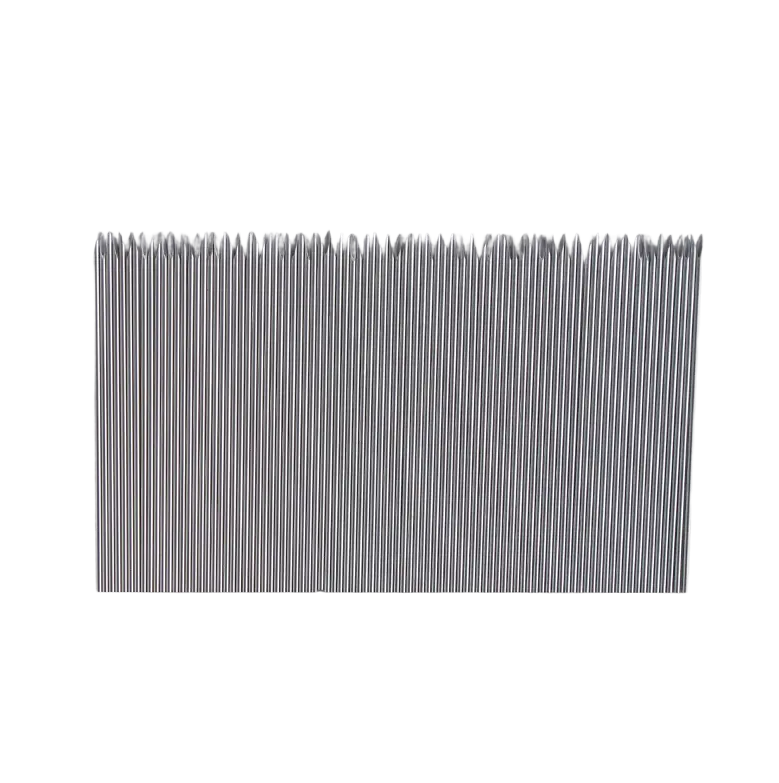
As public healthcare demands keep upgrading, the positioning of Hypodermic Needle Factory has also changed greatly. These factories no longer simply focus on mass production. Instead, they have become core participants in the integrated medical supply chain, which requires them to stay flexible in operation, keep smooth communication with partners, and fully grasp the practical needs of frontline medical work.
Ongoing updates in the healthcare sector have also reshaped the operating standards for manufacturers. Medical buyers nowadays no longer only care about whether products can be supplied on time. They also value a manufacturer's teamwork capability, long-term supply stability, and the standardization and reliability of the whole production process.
Against this backdrop, hypodermic needle factories are shouldering more and more comprehensive responsibilities. They need to keep track of real-time market changes, maintain close and effective communication with all cooperative partners, and build flexible production systems that can adapt to diverse and changing market demands.
Every medical supply chain relies on joint effort. Before any medical item gets to clinical staff and patients, it goes through multiple steps. Makers, delivery firms and medical facilities each take on distinct jobs along the way.
Hypodermic needle factories sit right at the start of this whole cycle. The way they run production directly affects how easily goods get shipped and delivered afterwards.
Years ago, factory production was treated as an isolated task. That mindset has shifted now. Factories now stay linked to every part of the supply chain. They have to learn how their products are used on-site, track where orders come from, and work through hurdles their partners run into.
Medical centres want suppliers they can count on for steady stock. Factories that only care about making goods will struggle to keep up with shifting industry standards and requests.
Today's production work calls for constant back-and-forth talks. Factories must work side by side with buyers and supply contacts to grasp real-world clinical demands.
This shift has pulled manufacturers and healthcare systems much tighter together. Factories no longer just churn out goods; they act as active contributors to advancing global medical services.
All kinds of outside factors keep shifting what healthcare services actually need. Hospitals and clinics often rewrite their stock ordering schedules, market conditions keep fluctuating, and buyers now put forward much more targeted, detailed demands.
Factories have to stay quick to adjust within such an unstable landscape.
Adapting to new market demands goes far beyond simply altering product designs. It also means keeping better lines of communication open, arranging production runs more reasonably, and fully figuring out the unique demands of every medical partner.
If a factory takes the time to listen closely to its buyers, it can grasp exactly what the market really needs. Comments and feedback from distributors and medical facilities offer clear insights into real working scenarios on the ground.
Take different medical service sites as an example. Each one has its own standards for stock delivery and supply coordination. Some clients hope to work hand in hand during the early planning stages, while others just need a steady, non-stop supply of goods at all times.
Manufacturers have to pick up on these varying priorities to deliver proper support.
Being able to flex operations is now a key quality for any medical production plant. Factories that keep polishing their daily workflows will form deeper, more reliable partnerships with healthcare providers everywhere.
A medical supply chain includes many connected activities. Production is only one stage. Transportation, storage, communication, and distribution also influence the final delivery process.
Hypodermic needle factories are connected with each of these areas.
Manufacturers need to communicate with suppliers to organize production preparation. They also need to cooperate with distributors to support product movement.
The connection between different parties affects the efficiency of the entire supply system.
| Supply Chain Area | Factory Involvement |
|---|---|
| Production planning | Organizing manufacturing activities according to demand |
| Supplier cooperation | Maintaining communication with material partners |
| Distribution support | Working with delivery partners |
| Customer communication | Understanding healthcare requirements |
A strong supply chain depends on clear cooperation. When information moves smoothly between different participants, each organization can make better decisions.
Factories are becoming more involved in this process because their role influences the stability of the supply network.
The relationship between manufacturers and healthcare organizations is no longer limited to buying and selling. It has become a long-term partnership based on communication and shared goals.
Running proper factory management sits at the heart of making medical goods. Facilities rely on structured routines to handle day-to-day work and keep their output steady without disruption.
For plants making hypodermic needles, management covers a wide range of work. Drawing up production timetables, arranging workshop layouts, coordinating team members and setting up smooth information exchange all affect how well production runs.
Factories with solid internal management can react much faster whenever market trends shift.
Medical supply networks demand steady, predictable performance. Hospitals and care centres stick with suppliers they can trust for long-term consistent collaboration.
This does not mean manufacturers avoid difficulties entirely. Every sector goes through unexpected shifts and hurdles. What separates competing businesses is how they choose to tackle these issues as they arise.
Factories that spend time refining their internal rules and workflows are far better placed to deliver reliable service to their clients.
Better management systems also help manufacturers form tighter working bonds with all supply chain partners. Once internal workflows are straightforward and transparent, sharing information with outside collaborators becomes far less complicated.
Today's medical factories cannot only rely on their capacity to make goods. Strong internal organisation is just as vital to their overall function.
Medical products require careful attention because they are connected with healthcare activities.
Quality awareness is part of every stage of manufacturing. It influences how factories organize production, communicate with partners, and manage daily operations.
A responsible manufacturing approach involves more than checking finished products. It requires attention throughout the entire process.
For healthcare organizations, confidence in suppliers is important. They need partners who understand the importance of consistency and careful management.
Factories that develop strong quality awareness often create better cooperation with customers.
Communication also matters. When partners have questions or concerns, clear responses help maintain trust.
The relationship between manufacturers and healthcare providers depends on many factors. Quality awareness is one of the foundations that supports long-term cooperation.
Customer expectations in the healthcare industry are changing. Buyers are not only looking for products. They are also paying attention to service, communication, and cooperation.
This has influenced how hypodermic needle manufacturers present themselves in the market.
A manufacturer today needs to understand the complete customer experience. From initial communication to supply support, every step can influence cooperation.
Healthcare organizations often prefer working with suppliers that understand their challenges.
This requires manufacturers to spend more time communicating with customers and learning about their working environments.
The relationship between supplier and customer is becoming more interactive.
Manufacturers receive information from users, while customers receive support from suppliers. This exchange helps both sides improve.
The changing expectations of customers are encouraging factories to develop a more service-oriented approach.
Technology is everywhere in today's manufacturing. It changes how factories sort data, arrange production schedules, and keep in touch with all their partners.
Hypodermic needle factories get practical help from technology in nearly every part of their work.
With better systems to track information, factory teams can see real-time supply status without confusion. Digital messaging tools also make it much simpler to work with buyers and supply partners.
That said, technology will never take over the value of human experience. This line of production still needs well-trained staff, careful on-site management and solid teamwork to run well.
Mixing digital tools with workers'hands-on know-how lets production lines adjust quickly to different market demands.
These factories keep rolling out new tech-based workflows to tidy up internal operations and build closer ties across the whole medical supply chain.
Global healthcare systems keep linking up more closely every year, so technology will keep shaping the way these needle factories run their businesses long term.
The healthcare industry continues to develop, and manufacturers need to follow these changes.
Future factories will likely focus more on flexibility, communication, and cooperation.
The role of a hypodermic needle factory will continue moving beyond production. Manufacturers will become more involved in supply planning, customer relationships, and healthcare support.
Global healthcare requires suppliers that can understand different markets and respond to changing conditions.
Factories that build stronger connections with partners can better support the needs of the healthcare system.
The future of medical manufacturing will depend not only on making products but also on creating reliable relationships throughout the supply chain.
Hypodermic needle factories are becoming an important part of this changing environment, connecting manufacturing activities with the wider needs of global healthcare.
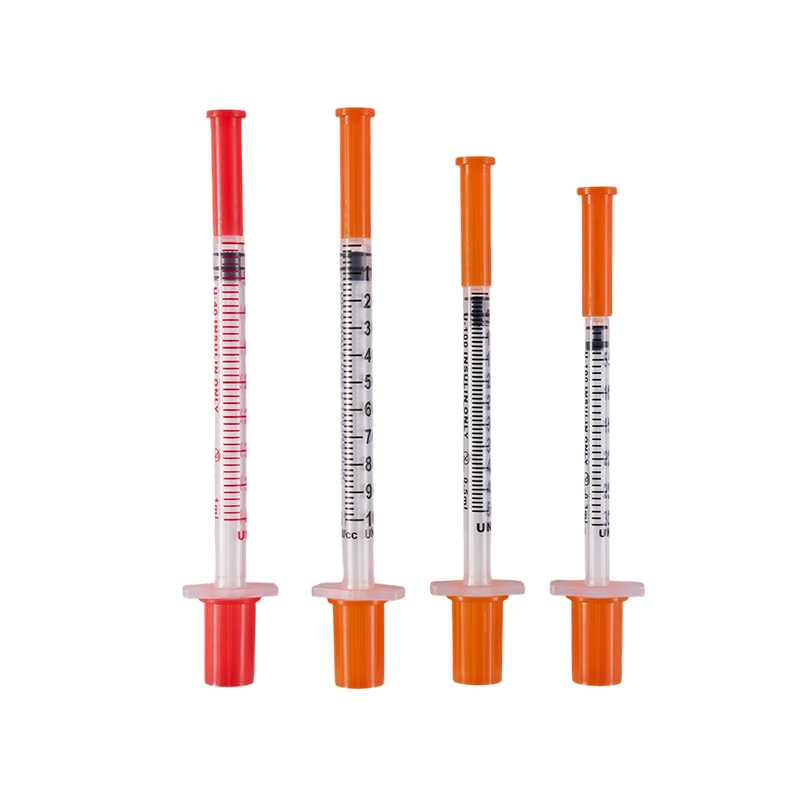
The design and production comply with ISO8537. The plastic parts are moulded by ...
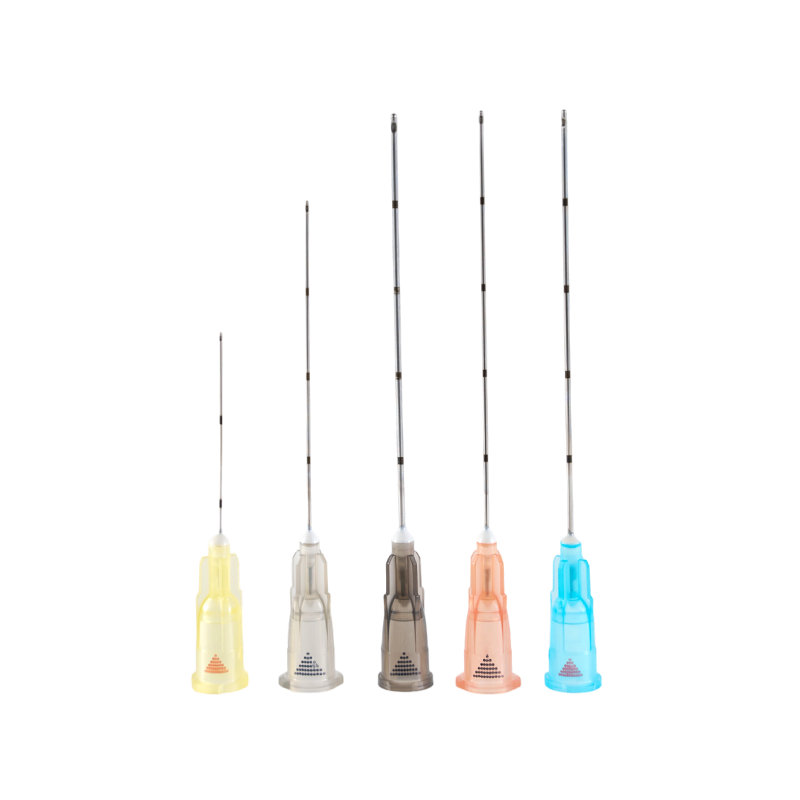
There are three kinds of the tip types, Sealed-circle with 2 side holes, sealed-...
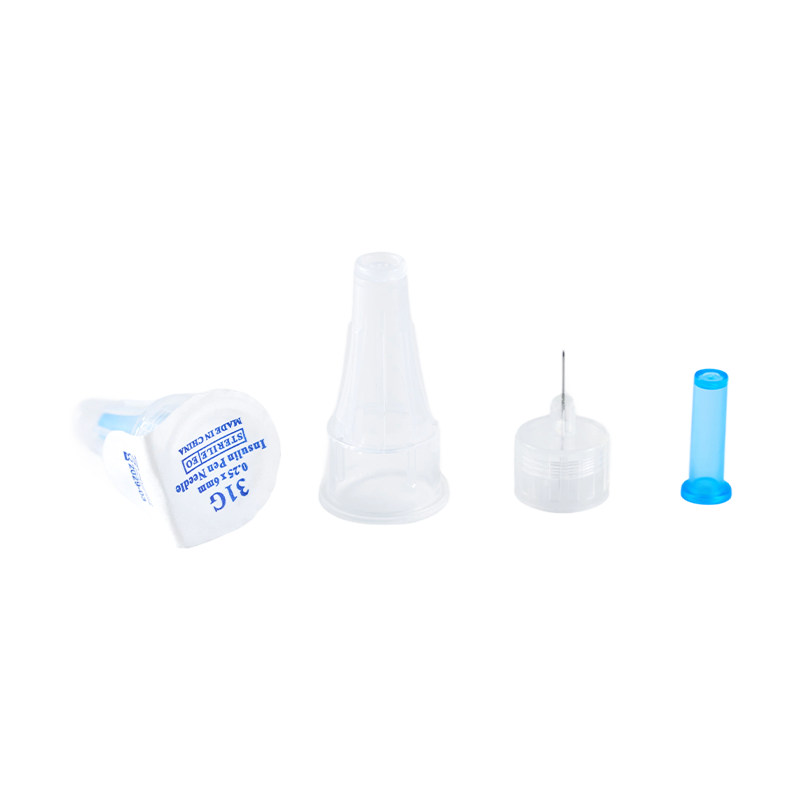
Assembling with insulin pen, for insulin hypodermic injection.The plastic parts ...
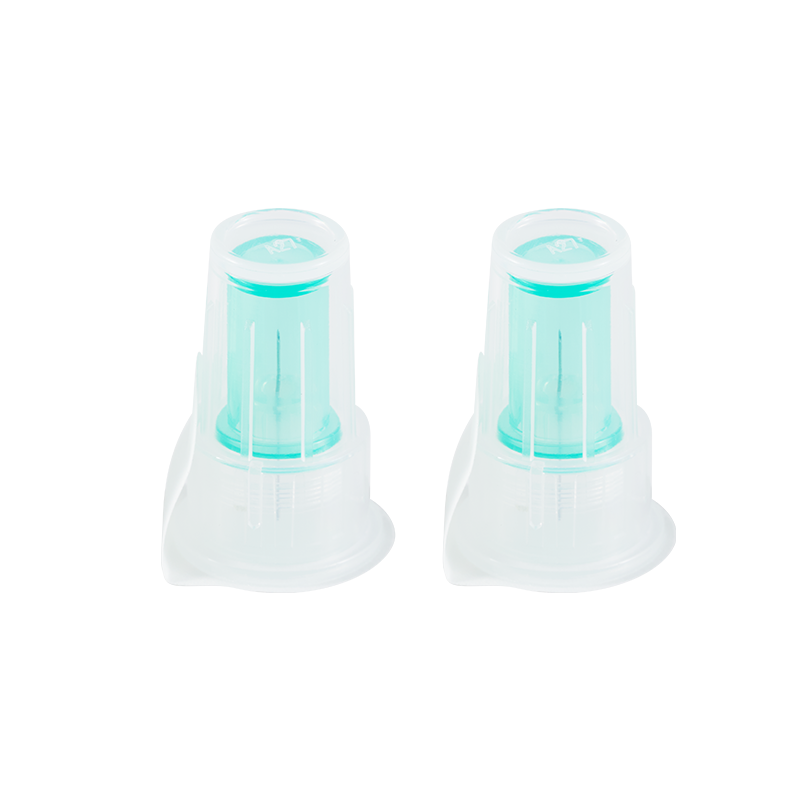
Used in conjunction with an insulin pen, it is used for subcutaneous injection o...
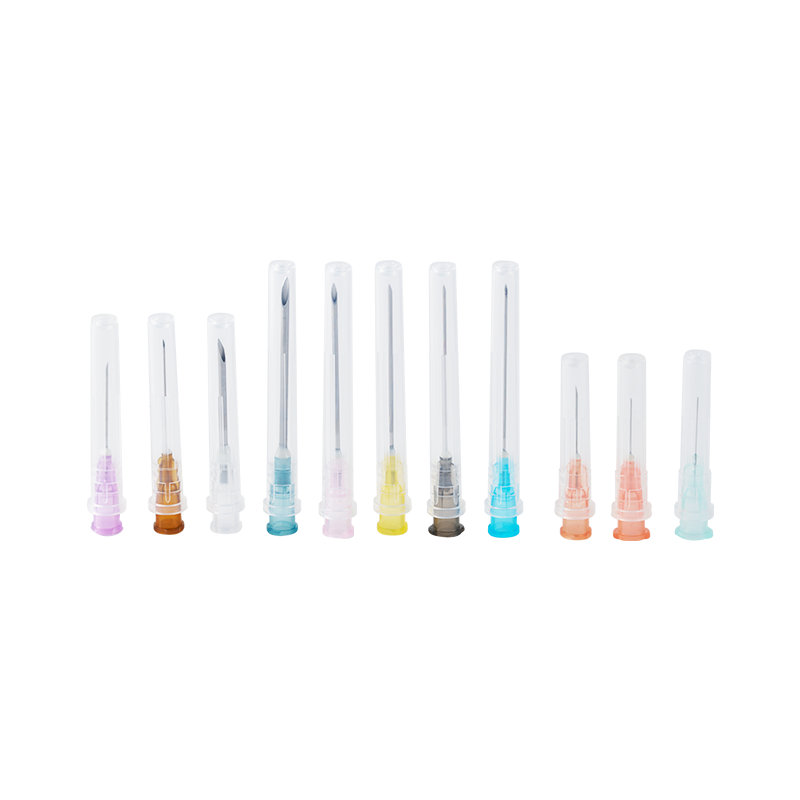
The cannula is made of high quality austenite stainless steel.All the components...
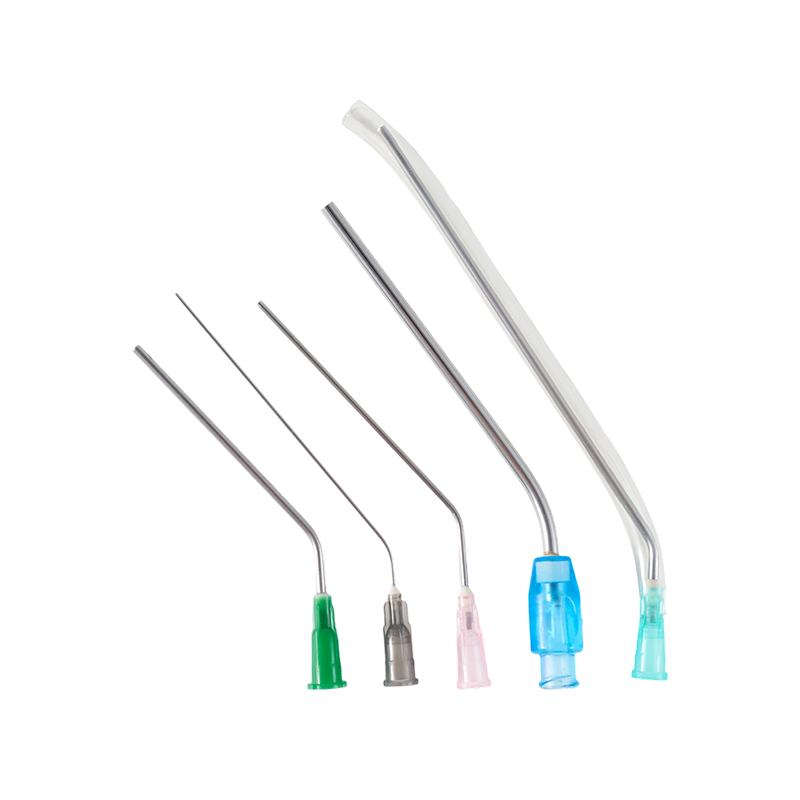
The material of the needle is Medical grade SUS304,which have great stiffness, t...
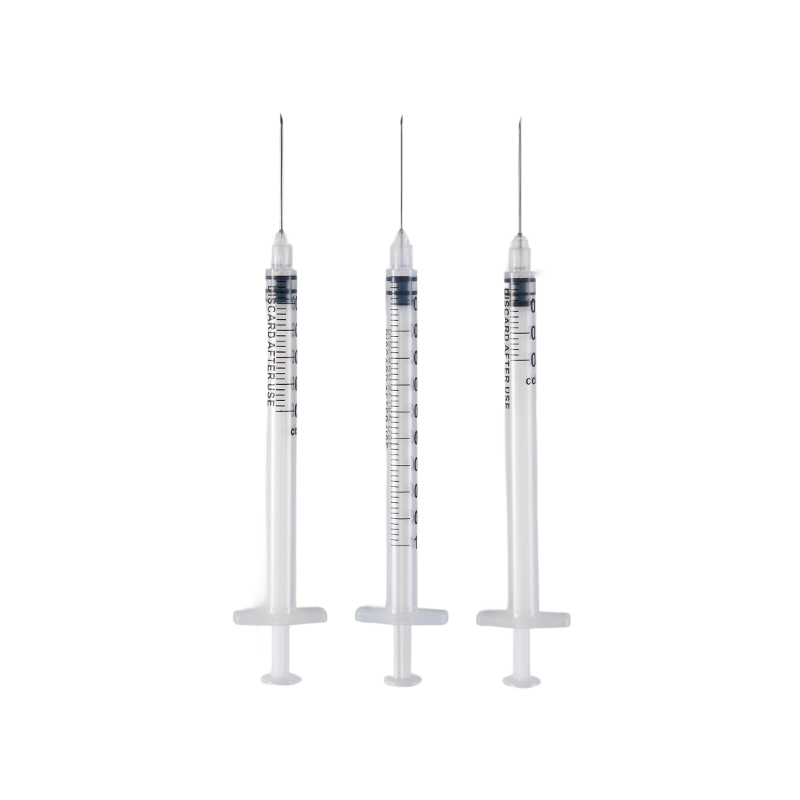
The barrel is made from high transparent polypropylene(PP),which have a bright a...

The cannula is made of high quality austenite stainless steel.The lancet tip is ...

Copyright© 2025 Zhejiang INI Medical Devices Co., Ltd.
Approval No:20150049
Medical Device Manufacturers
Disposable Medical Syringes Factory
