


 English
 Español
 中文简体
中文简体Don't hesitate to send a message
The design and production comply with ISO8537. The plastic parts are moulded by ...
All medical supply chains rely on interlinked components. Some stages get more public notice, yet every single step affects how medical supplies finally arrive at care sites. Away from the public view of medical treatment, manufacturers, distributors and material suppliers coordinate closely to keep medical goods flowing nonstop.
Vaccine syringes fit into this large system as a key small component. Tiny as these medical tools are, moving them from factories to hospitals and vaccination sites calls for thorough planning and tight coordination all through transit.
As healthcare systems around the world keep advancing, vaccine syringe makers now carry broader responsibilities. They do not only make products anymore. They also track supply demands, stay in constant touch with partners, and adjust their operations to match shifts in different local markets.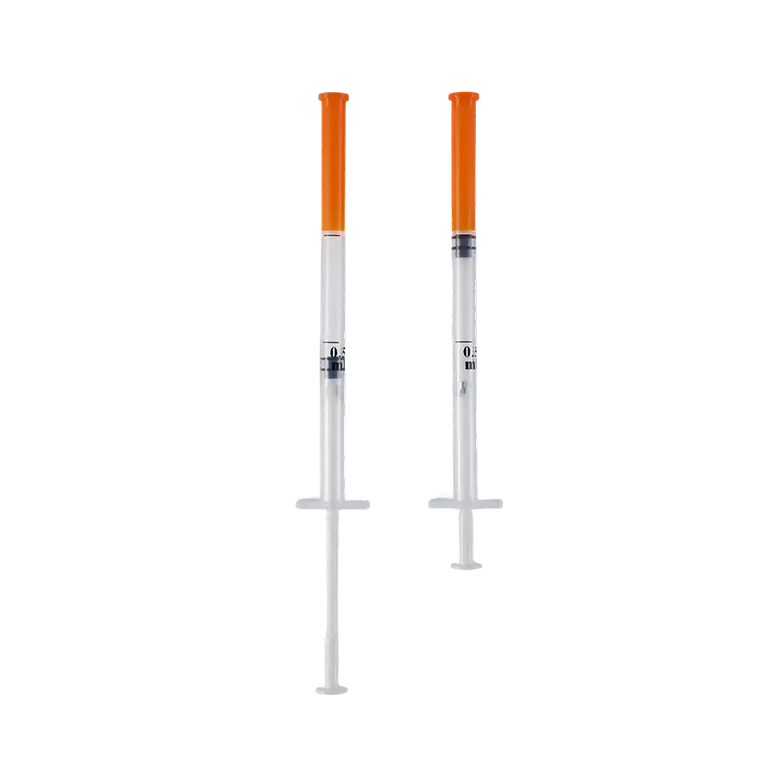
Today's syringe manufacturers maintain connections across all parts of the healthcare trade. Production schedules, supply coordination and client cooperation together decide how smoothly goods travel along the supply chain.
Medical facilities worldwide now seek more steady, dependable supply backing. For this reason, manufacturers stand as a critical middle link that connects mass production to frontline medical services.
No medical item moves straight to clinical staff right after production. A string of handling steps separates finished goods from on-site medical use.
Production sits at the very start of the supply line. Every call made during manufacturing shapes later warehousing, transit and distribution work.
Factories producing vaccine syringes lay a solid base for the whole supply network. They tune output volume to match real market needs and keep regular contact with all cooperating partners.
Medical service demands shift all the time. Hospitals, community clinics and medical groups each have unique stock and delivery arrangements tied to their daily care work.
Producers that keep track of these shifting requirements build much smoother partnerships with distributors. They do not only focus on manufacturing goods, but join supply planning discussions alongside other chain participants.
This kind of coordination grows more critical as medical supply networks grow more interconnected. Every business in the chain has to see how its daily work ripples through the whole system.
Consistent stock access relies on joint teamwork. Makers, delivery operators and care centers each share responsibility to make sure medical supplies arrive as needed.
Running a reliable medical supply network takes tight coordination across every detail. Production timelines, warehousing layouts and shipping schedules all have to sync up perfectly.
Manufacturers lay the groundwork here with structured production workflows, plus consistent communication with everyone they work with along the supply line.
Their job doesn't finish once goods roll out of the factory. Most manufacturers keep in close contact with distributors and medical buyers to keep up with shifting needs as they come up.
Demand shifts a lot from one region to the next. Certain locations need custom shipping setups or extra operational support. Manufacturers that learn these local needs can offer far better tailored products and services.
Long-term supply reliability also hinges on forward planning. Factories have to account for unexpected market swings and keep their operations adaptable at all times.
No single business can build a resilient supply chain on its own. Success only comes from solid teamwork between every party involved.
Clear, open information sharing between manufacturers and their partners simplifies every step of the supply process.
This consistent collaboration cuts down on unknown variables, letting hospitals and medical facilities map out their daily operations with much greater confidence.
Selecting a manufacturer involves more than comparing products. Medical organizations often consider the overall cooperation experience before making a decision.
A supplier needs to understand the expectations of the healthcare industry and provide consistent support throughout the partnership.
Several areas may influence the choice of a manufacturing partner.
| Consideration | Why It Matters |
|---|---|
| Production management | Helps maintain organized supply arrangements |
| Communication ability | Supports smoother cooperation between partners |
| Industry understanding | Allows better response to healthcare needs |
| Supply coordination | Helps connect manufacturing with distribution |
| Service approach | Supports long-term cooperation |
Different buyers may focus on different factors. Some may pay attention to supply flexibility, while others may value communication and cooperation.
The relationship between buyers and manufacturers often develops gradually. Regular communication allows both sides to understand each other better.
A manufacturer that listens to customer needs can adjust more easily when requirements change.
In medical supply industries, cooperation is often built on trust and continuous interaction rather than a single purchase.
Medical work environments keep evolving all the time. Clinical routines shift, market conditions fluctuate, and people's standards for medical services continue to rise. All of these change what kind of supplies medical facilities actually need.
Because of this, vaccine syringe producers cannot stick to fixed production modes. They have to keep observing real industry changes and adjust their work accordingly. What works well for current medical scenarios may not fully fit future operational needs.
Adaptability has become essential for medical manufacturing brands. Factories must maintain stable, reliable output while staying flexible enough to handle new industry shifts and emerging clinical requirements.
Many manufacturers upgrade their internal workflows regularly. They adjust their cooperation models and keep closer contact with supply chain partners, so they can react faster to market changes.
Medical teams work under tight, busy schedules every day. They prefer supplies that are easy to use and fit naturally into their daily care routines, without creating extra workload.
Manufacturers that understand real on-site medical conditions are able to tailor their products and services to match actual clinical habits. This helps them build long-term, trust-based cooperation with healthcare institutions.
Listening to user feedback is key to continuous improvement. Practical suggestions from medical staff and industry partners help manufacturers identify existing shortcomings and make targeted upgrades.
The medical field always emphasizes stable quality and consistent supply. Even so, it still requires constant adaptation to keep up with industry updates. Vaccine syringe makers that balance reliable production with flexible adjustment are better able to support the ever-changing needs of modern healthcare.
Quality management is an important part of medical product manufacturing. Healthcare products need careful attention because they are connected with medical procedures and patient care.
A responsible manufacturing process involves many stages. Attention is needed from preparation through production and final delivery.
Quality management is not only about checking finished products. It is also related to how production activities are organized.
Clear processes help manufacturers maintain consistency and improve cooperation with supply partners.
For healthcare organizations, working with a manufacturer that understands quality requirements can provide greater confidence.
Communication also plays a role. When questions appear during cooperation, manufacturers need to provide clear responses and work with partners to solve issues.
Over time, quality management becomes part of a company's relationship with customers.
It represents not only the condition of a product but also the way a manufacturer manages responsibility within the supply chain.
Healthcare supply chains span countless regions worldwide. Before any medical item lands in the hands of end users, it goes through a long sequence of handling and transit steps.
Manufacturers sit at the very root of this whole flow, acting as a critical linchpin. All finished medical goods start from their production lines, then get passed along layers of distribution channels to reach every corner of the globe.
Medical infrastructure and clinical requirements vary wildly from one territory to another. For producers that collaborate with overseas collaborators, grasping these local disparities is non-negotiable.
Smooth cross-border supply operations hinge heavily on consistent dialogue. Parties across the chain must exchange real-time updates covering order volumes, shipment timetables, and shifting market trends without delay.
An interconnected supply framework streamlines collaboration between all participating businesses, cutting down operational friction at every stage.
Producers that keep track of cross-border supply requirements stand a far better chance of forging steady, long-term ties with distributors and medical clients across international markets.
In short, vaccine syringe producers are deeply integrated into the broader global medical ecosystem. Manufacturing itself makes up merely a fraction of the complete cross-border healthcare delivery cycle.
New tools reshape nearly all factory work today. Lines making medical disposables also rely on digital systems to streamline daily production and stock oversight.
Syringe producers use these technical upgrades to keep work areas orderly and maintain smooth talks with every supply partner.
Digital platforms sort and store all operational data without messy manual logs. Makers and distributors pass real-time updates back and forth, reacting fast whenever demand shifts.
Tech tools also bring structure to factory floor workflows. Clear tracking lets teams map out every production step and spot spots that slow output down.
These digital upgrades do not only cut down production waiting times. They break down information gaps between every link in the supply chain.
Medical service networks grow more linked each year. Steady data exchange will keep shaping how producers coordinate with their long-term partners.
Interaction between factories and supply chain sides grows more frequent by the day. Digital tools form a steady backbone for this evolving way of cross-team cooperation.
The medical supply industry continues to move toward stronger cooperation and greater flexibility.
Manufacturers are becoming more involved in the wider healthcare supply process. Their role now includes communication, planning, and understanding the needs of different users.
Healthcare organizations increasingly value suppliers that can respond to changing situations.
This means manufacturers need to focus not only on production but also on long-term cooperation.
Another important direction is improving supply chain connections. When manufacturers, distributors, and healthcare providers share information effectively, the entire process becomes smoother.
The future role of vaccine syringe manufacturers will continue to develop alongside changes in healthcare systems.
Their position within the supply chain reflects a broader shift in the medical industry, where cooperation and adaptability are becoming more important parts of daily operations.
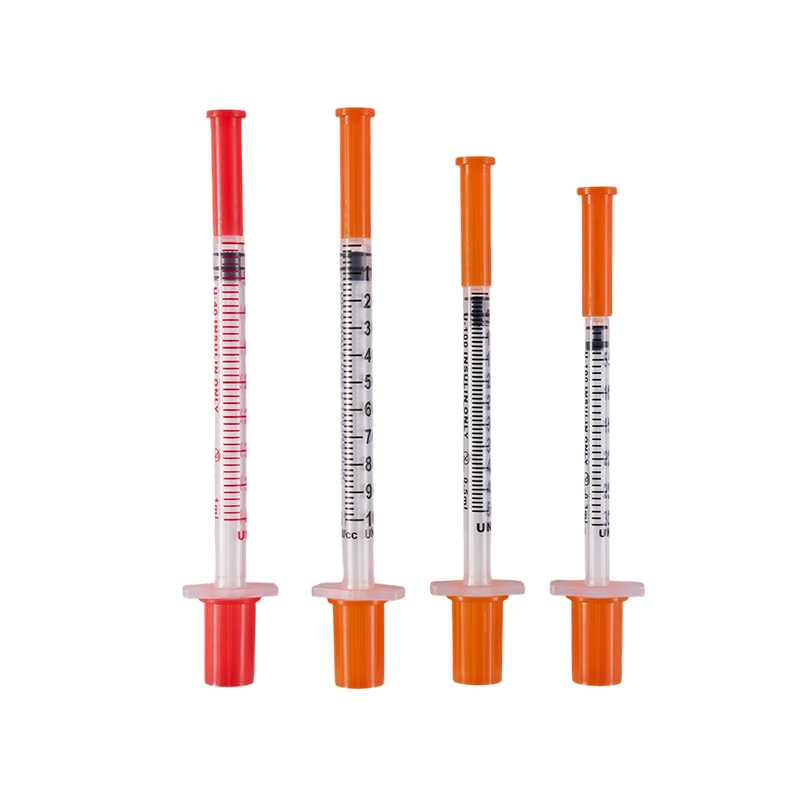
The design and production comply with ISO8537. The plastic parts are moulded by ...
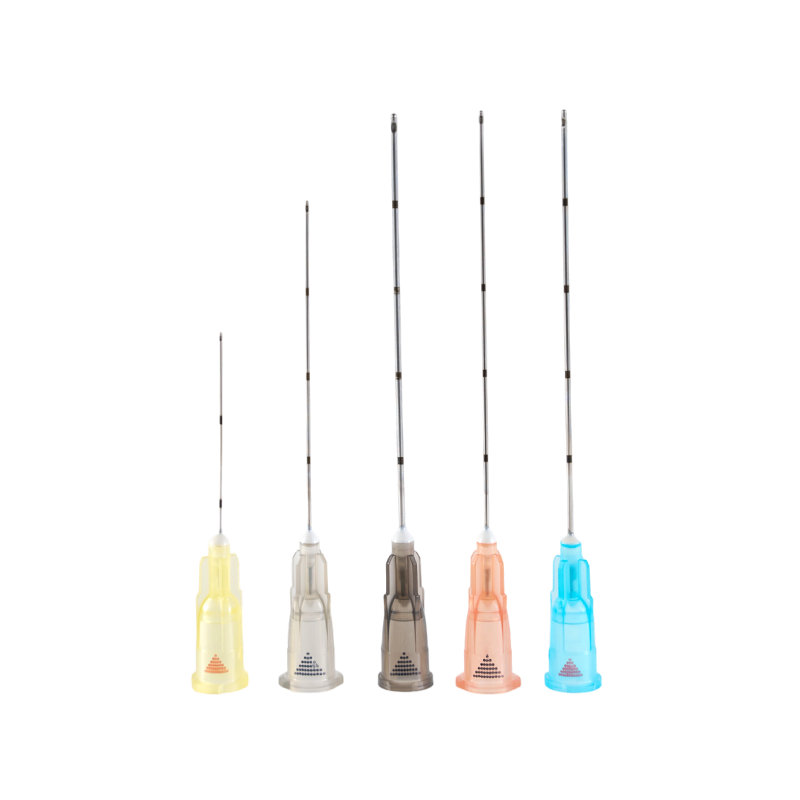
There are three kinds of the tip types, Sealed-circle with 2 side holes, sealed-...
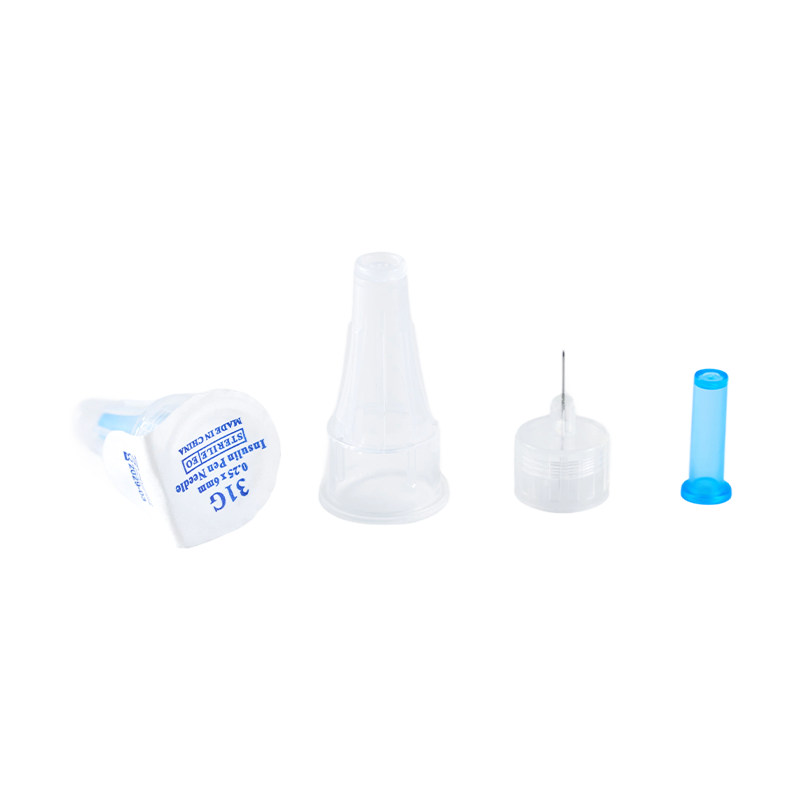
Assembling with insulin pen, for insulin hypodermic injection.The plastic parts ...
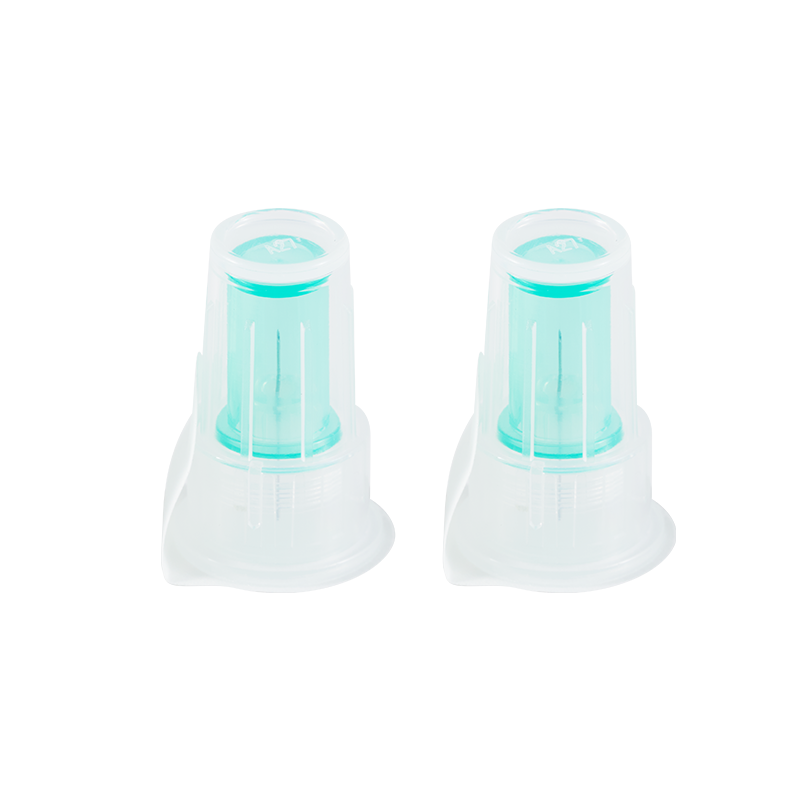
Used in conjunction with an insulin pen, it is used for subcutaneous injection o...
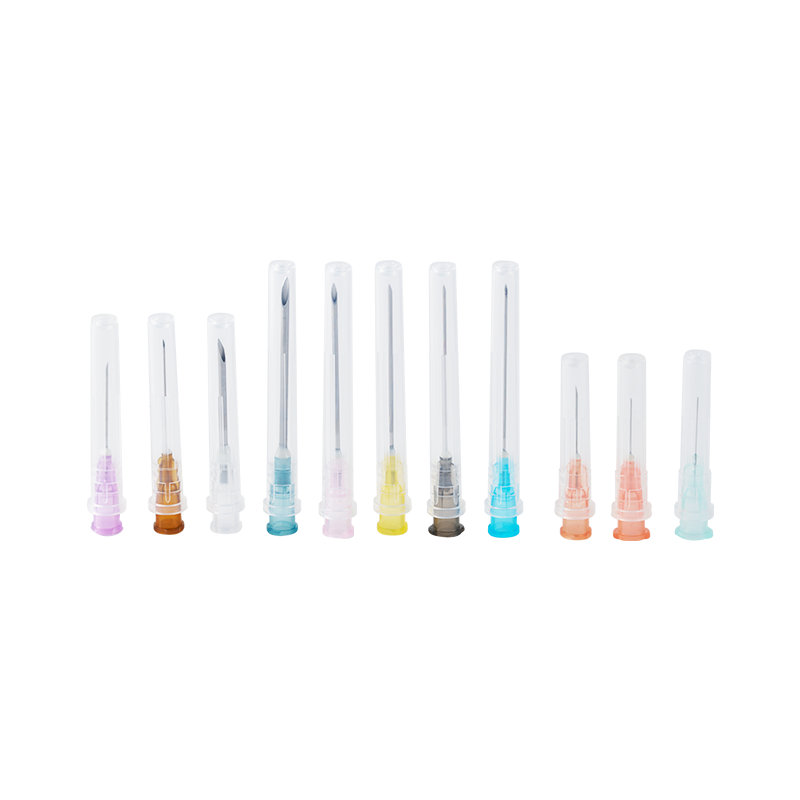
The cannula is made of high quality austenite stainless steel.All the components...
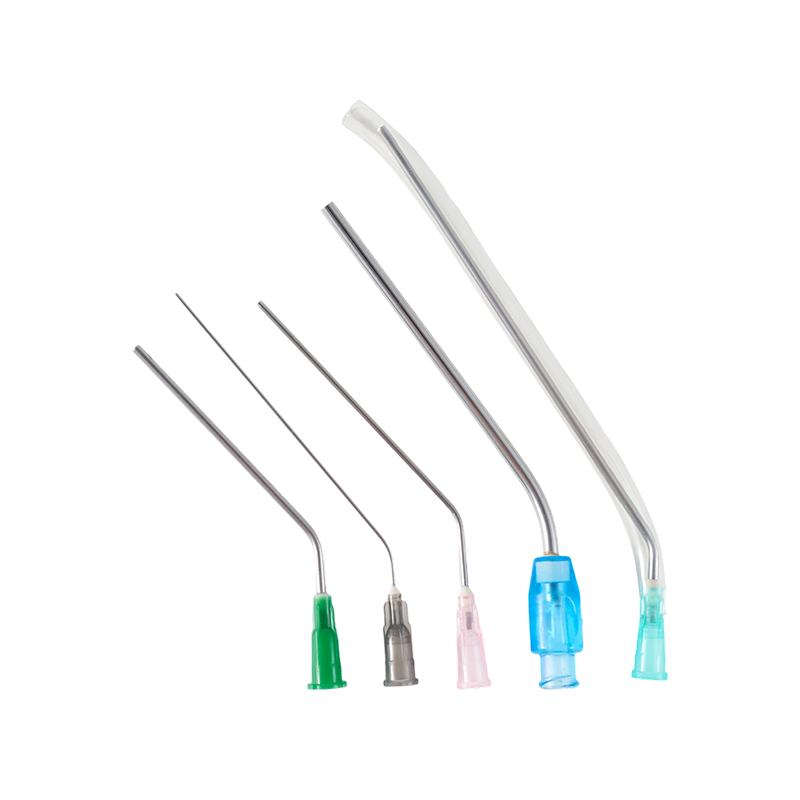
The material of the needle is Medical grade SUS304,which have great stiffness, t...
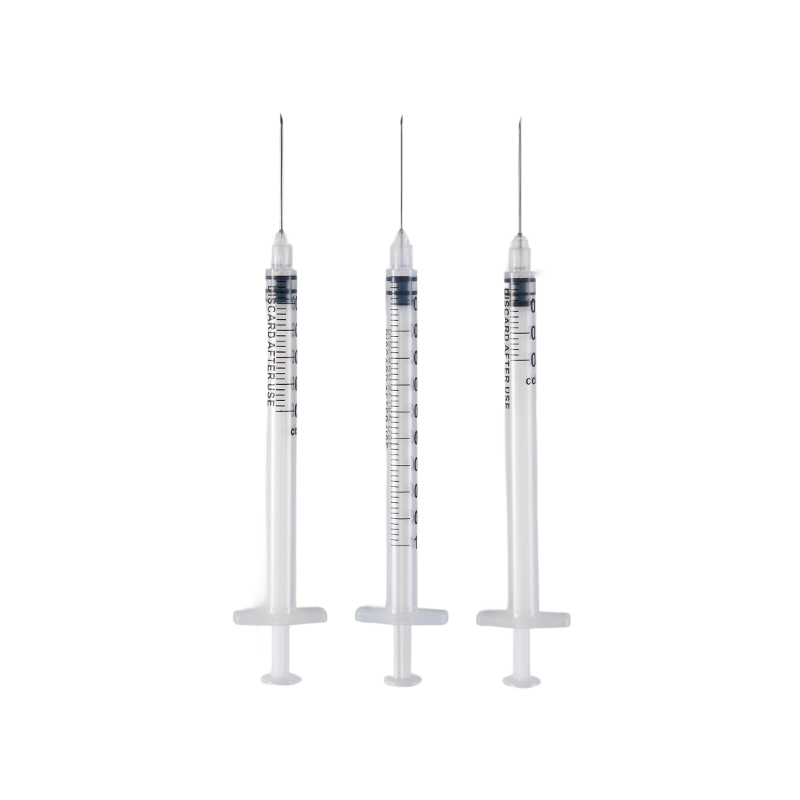
The barrel is made from high transparent polypropylene(PP),which have a bright a...

The cannula is made of high quality austenite stainless steel.The lancet tip is ...

Copyright© 2025 Zhejiang INI Medical Devices Co., Ltd.
Approval No:20150049
Medical Device Manufacturers
Disposable Medical Syringes Factory
