


 English
 Español
 中文简体
Don't hesitate to send a message
The design and production comply with ISO8537. The plastic parts are moulded by ...
Needles show up everywhere, from medical devices to industrial equipment. They look simple, but a lot goes into making one: material, dimensions, structure, surface quality, and intended use all have to be considered. Even a slight change in design can alter how a product behaves in operation. That's one reason many companies skip standard catalog items and go for custom needle manufacturing.
Custom needle manufacturers work directly with customers to build needles around a specific application. The job may cover design, material selection, sample development, production, and quality inspection. It goes well beyond resizing or reshaping an existing needle. The manufacturer has to understand how the needle will be used and what it must do.
For medical device companies, healthcare product developers, and industrial equipment makers, picking the right manufacturer is a real part of product development. A dependable process keeps products consistent, supports the design intent, and cuts down on problems once production starts.
Knowing how these manufacturers work makes it easier to state your requirements, judge their capabilities, and make sound decisions on specialized needle products.
A needle manufacturer designs and produces needles to a customer's own specifications. Standard suppliers mostly sell existing designs. Custom manufacturers develop a product for one particular application.
The requirements might cover shape, length, diameter, material, tip design, surface finish, or connection structure. What's needed depends on the application and on the equipment or product the needle will be fitted to.
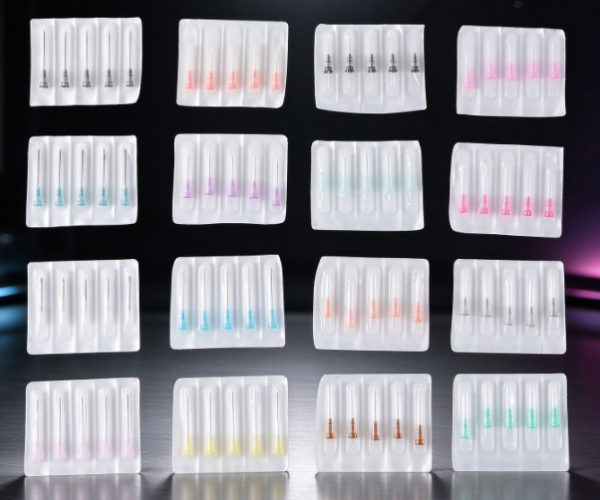
This kind of manufacturing is common in medical products, laboratory equipment, pharmaceutical applications, and some industrial processes. Each field has its own expectations for structure and performance.
A medical device maker, for instance, may need a needle for a specific fluid delivery system. A lab equipment developer might want a specialized needle for sample collection or liquid transfer. In industry, needles are used for dispensing, measurement, or material handling.
The process usually runs through several stages:
The degree of customization varies by project. Some customers only need an existing design adjusted. Others need a product built from an early concept.
Standard needles work for many common uses. They don't always match a product's design requirements, though. As medical devices and industrial equipment grow more specialized, manufacturers often need components that fit particular structures and operating conditions.
Custom manufacturers build the product around the customer's application instead of forcing the design into whatever options already exist.
Businesses turn to custom production for several reasons.
1. Different application requirements
Needles serve very different functions. One made for fluid transfer may need a different internal structure from one made for sampling or dispensing.
Custom manufacturing lets the design reflect the real purpose and avoids needless compromises when a standard product doesn't fit.
2. Product compatibility
A needle usually connects to other components. Its connection structure, overall shape, and dimensions all affect how it fits into the assembled device.
Custom manufacturers can study these relationships with the customer and produce a needle that matches the equipment design.
3. Specialized material requirements
Applications call for different material properties. Some need corrosion resistance. Others need particular surface characteristics or compatibility with certain substances.
Custom production allows these needs to be addressed at the design stage.
4. Consistent product design
Companies building medical devices or specialized equipment need components that follow a defined design. Custom manufacturing helps set consistent product requirements and manufacturing procedures.
This matters most when the needle is part of a larger assembly, because a change in its structure can affect the whole product.
5. Support for product development
Some businesses contact needle manufacturers early, with only an initial concept in hand. They need manufacturing advice to turn it into a practical component.
An experienced manufacturer can review the design, point out likely production difficulties, and suggest adjustments.
The types of needles a manufacturer can make depend on its equipment, materials, and capabilities. Categories often overlap, since one design can serve several applications.
Knowing the common types helps customers describe what they need more clearly.
| Needle Type | Common Applications | Key Design Considerations |
|---|---|---|
| Medical Needles | Medical devices and healthcare products | Tip design, material, surface quality |
| Dispensing Needles | Adhesive, liquid, and fluid dispensing | Flow requirements, connection structure |
| Sampling Needles | Laboratory and sample collection equipment | Internal structure, material compatibility |
| Blunt Tip Needles | Liquid transfer and controlled dispensing | Tip shape, handling requirements |
| Curved Needles | Specialized medical and equipment applications | Curvature, access, and intended movement |
| Industrial Needles | Manufacturing and material processing | Strength, durability, and application conditions |
Medical needles serve many healthcare purposes. Their design follows the intended procedure and the device they are installed in.
Production considerations include material, tip geometry, surface condition, and compatibility with other device components.
Cleanliness, handling, and applicable product requirements also need close attention.
Dispensing needles transfer or apply liquids, adhesives, and other materials. They appear in laboratory equipment, manufacturing systems, and assembly processes.
The design affects how the material flows and where it lands. Different applications call for different tip shapes and internal structures.
Sampling needles are typically found in laboratory equipment and systems that collect or transfer samples.
Depending on the application, they may have to work with specific containers, collection devices, or fluid systems. The structure should suit the sampling process and the materials involved.
Some industrial processes need needles with particular shapes or structural features. They may go into dispensing equipment, textile-related machinery, or specialized production systems.
Compared with general-purpose needles, custom industrial needles are often designed around the operating conditions of one specific machine.
Everything starts with understanding how the product will be used. A design that looks right on paper may not work in a real device, so manufacturers have to consider how the needle relates to the components around it.
The process involves ongoing communication among the customer, the design team, and the production department.
Requirement analysis
The customer shares details about the application, product structure, material preferences, and expected operating conditions.
Drawings, reference samples, or concept sketches help explain what's needed. If information is missing, the manufacturer may need further discussion before moving ahead.
Design development
With the requirements reviewed, the manufacturer proposes a needle design.
Decisions at this stage cover overall structure, tip shape, connection method, and material. The design has to meet functional needs and also be practical to manufacture.
A product may need changes if its original structure is hard to make or hard to inspect consistently.
Material selection
The choice of material is tied closely to how the needle will be used. Stainless steel is a common option because of its strength and corrosion resistance. Other materials suit more specific requirements.
Manufacturers should consider how the chosen material interacts with the substances, equipment, and conditions involved.
Sample development
Samples let customers evaluate the design before regular production begins.
Samples may be checked for dimensional consistency, structural suitability, connection compatibility, and functional performance.
If problems appear, the design can be reviewed and adjusted. That lowers the chance of finding a major flaw after production is underway.
Production and inspection
After approval, the manufacturer produces the needles using established procedures. The method depends on the product structure and material.
Finished needles are then inspected against the agreed quality requirements. Checks may cover appearance, dimensions, surface condition, and other characteristics tied to the application.
Material affects how a needle performs, how it works with other components, and whether it suits its environment.
No single material fits every custom needle. Manufacturers weigh the product's purpose, expected contact conditions, structural requirements, and applicable industry requirements.
These are some commonly considered materials.
| Material | General Characteristics | Possible Applications |
|---|---|---|
| Stainless Steel | Corrosion resistance, strength, and durability | Medical needles and sampling equipment |
| Carbon Steel | Strength and suitability for certain mechanical applications | Industrial needle products |
| Nickel Alloys | Resistance to certain demanding environments | Specialized equipment |
| Titanium | Low weight and corrosion resistance | Selected medical and specialized applications |
| Polymer Materials | Lightweight and adaptable product structures | Certain disposable and fluid-handling products |
Stainless steel is the most widely used. Its properties suit applications where corrosion resistance and structural strength matter.
Carbon steel may be chosen for products needing particular mechanical characteristics. Whether it works depends on the operating environment and surface treatment requirements.
Nickel alloys fit specialized applications where environmental conditions put extra demands on the material.
Titanium is an option when weight and corrosion resistance are priorities. Its use depends on the product structure and manufacturing requirements.
Polymers appear in certain needle-related products and specialized fluid-handling components. They behave differently from metals, so compatibility with the intended application must be evaluated.
Customers shouldn't choose a material from general descriptions alone. The final decision should reflect actual use conditions, product requirements, and applicable safety standards.
Quality control is central here, because small variations in a needle can change how it works inside a device or system.
Needles often have delicate structures and surfaces that need careful inspection, unlike many general mechanical parts. Their performance usually depends on several characteristics working together.
A structured quality control process lets manufacturers catch problems during production and confirm that finished products meet the agreed requirements.
Key inspection areas include:
Dimensional inspection
A needle's dimensions must match its approved design. Differences in length, diameter, or connection structure can affect compatibility with other components.
Dimensional inspection confirms that products follow the intended design.
Tip and surface inspection
The tip and outer surface can influence function. Visible defects, irregular edges, or surface damage may make a product unsuitable.
The inspection method should fit the needle type and its use.
Structural inspection
Some needles have specific internal or external features. Manufacturers may need to check that these are formed correctly and stay consistent throughout production.
Material verification
The material used must match what was agreed. Material identification and the relevant documentation support this check.
Functional evaluation
Depending on the application, finished needles may need functional checks. These show whether the product works as intended with the relevant equipment or system.
Quality control shouldn't stop at final inspection. Monitoring production and reviewing manufacturing records helps trace the source of a problem when variations occur.
For medical applications, manufacturers must also consider regulatory requirements and quality management practices. The specifics depend on the product category, intended use, and target market.
Price is only one part of the decision. Businesses need to know whether a supplier can interpret their requirements, develop a workable design, and keep production quality steady.
A good partner has capabilities that match the product's complexity and intended application.
Several factors deserve attention.
1. Relevant manufacturing experience
Each needle type brings its own design and production challenges. A manufacturer familiar with the product category will likely understand material selection, structural requirements, and common manufacturing issues better.
Ask about past work on similar applications instead of accepting general claims.
2. Design and development capabilities
Some projects need more than making a needle from an existing drawing. The manufacturer may have to review the design, suggest structural changes, or support sample development.
Find out whether the supplier can take part in these activities and explain any design limitations.
3. Material sourcing and management
Consistent materials lead to consistent products. Customers should understand how the manufacturer selects materials, manages incoming components, and keeps material records.
For specialized applications, discuss material compatibility before production starts.
4. Quality management procedures
A manufacturer should have clear inspection procedures and be able to explain how requirements are checked during production.
Customers can ask about dimensional inspection, surface checks, material verification, and production documentation.
5. Communication and project coordination
Custom work often involves several rounds of discussion. Design changes, sample feedback, and production requirements all need to be communicated clearly.
A supplier that explains its limitations and answers technical questions promptly helps prevent misunderstandings during development.
6. Production flexibility
Some customers need small sample batches. Others plan to move into regular production. The manufacturer should explain whether its equipment and production arrangements can support the project as it grows.
7. Regulatory awareness
For medical applications, the manufacturer must understand the relevant product requirements and quality expectations. Customers should clarify which responsibilities belong to the manufacturer and which stay with the medical device company.
Having these conversations early gives both sides clear expectations before the project begins.
Custom needle manufacturing means balancing product design, production feasibility, material properties, and quality requirements. Every project brings its own challenges, especially when the needle has a specialized structure or must work inside a complex device.
One common challenge is turning a concept into a design that can actually be made. A customer may describe the function they want without knowing how the needle should be produced. The manufacturer has to evaluate the design and spot likely difficulties before production.
Material selection can also be tricky. A material may have enough strength but be wrong for the product's contact environment. In other cases, a material may suit the application yet prove difficult to process.
Consistency is another concern. Custom products may involve different structures, materials, and production procedures, so manufacturers need suitable manufacturing instructions and inspection methods for each one.
Changes during a project can complicate coordination too. A customer may revise the design after reviewing samples or testing the needle in a complete device. Those revisions may require updates to manufacturing procedures, inspection criteria, or material arrangements.
Automation is slowly becoming relevant to these challenges. Automated equipment can support repeated processing, controlled handling, and inspection. But not every custom needle can be made with the same automated approach.
Each product has to be evaluated on its own. The aim is to pick production methods that preserve the design requirements and the quality controls the application demands.
As medical devices and specialized equipment keep evolving, custom needle manufacturers are likely to work more closely with product designers and engineering teams. That cooperation helps surface manufacturing difficulties earlier and makes the move from concept to regular production smoother.
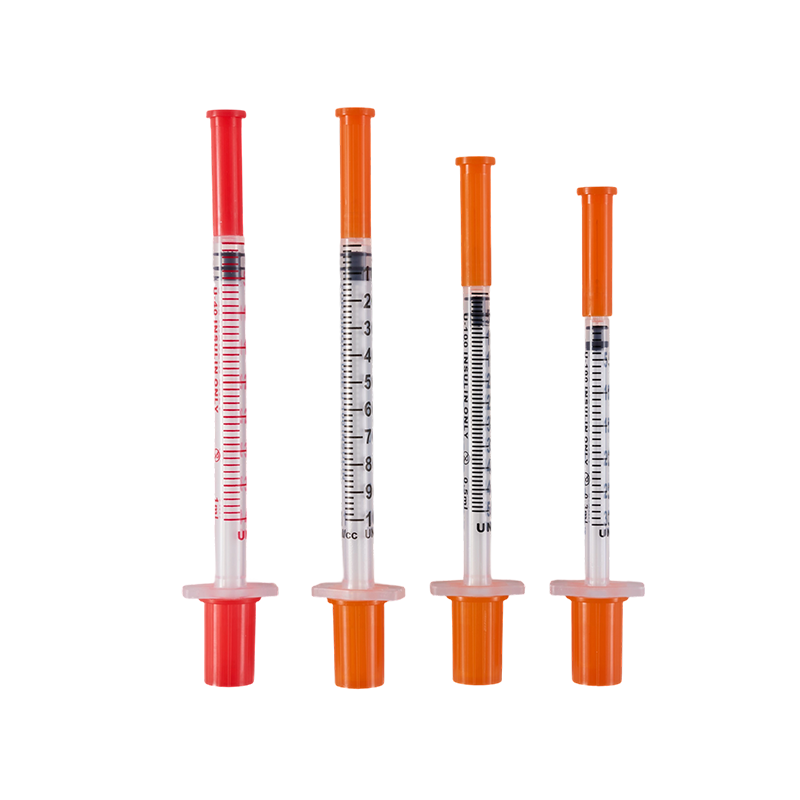
The design and production comply with ISO8537. The plastic parts are moulded by ...
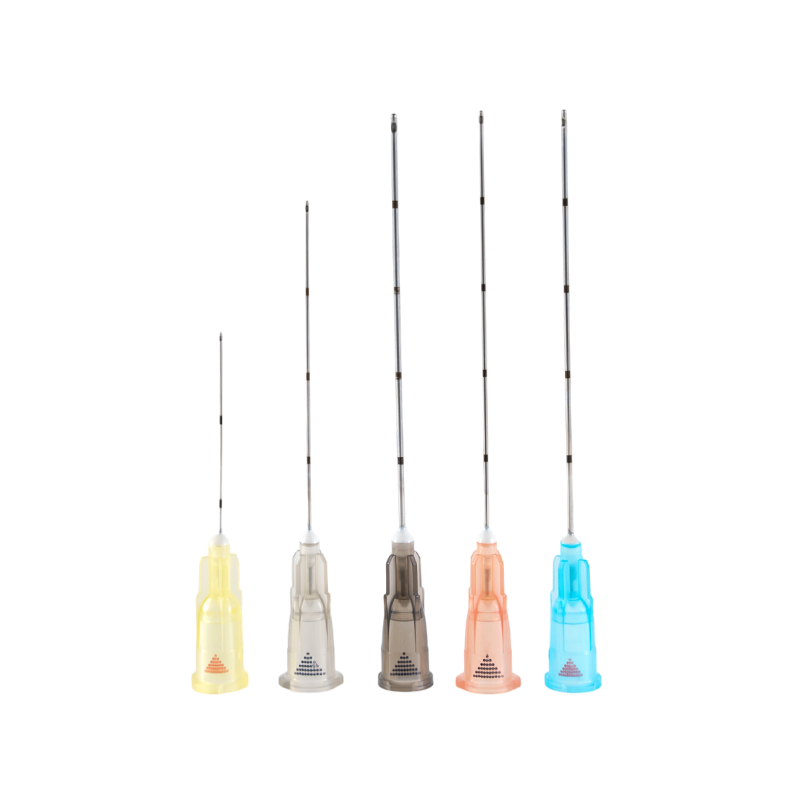
There are three kinds of the tip types, Sealed-circle with 2 side holes, sealed-...
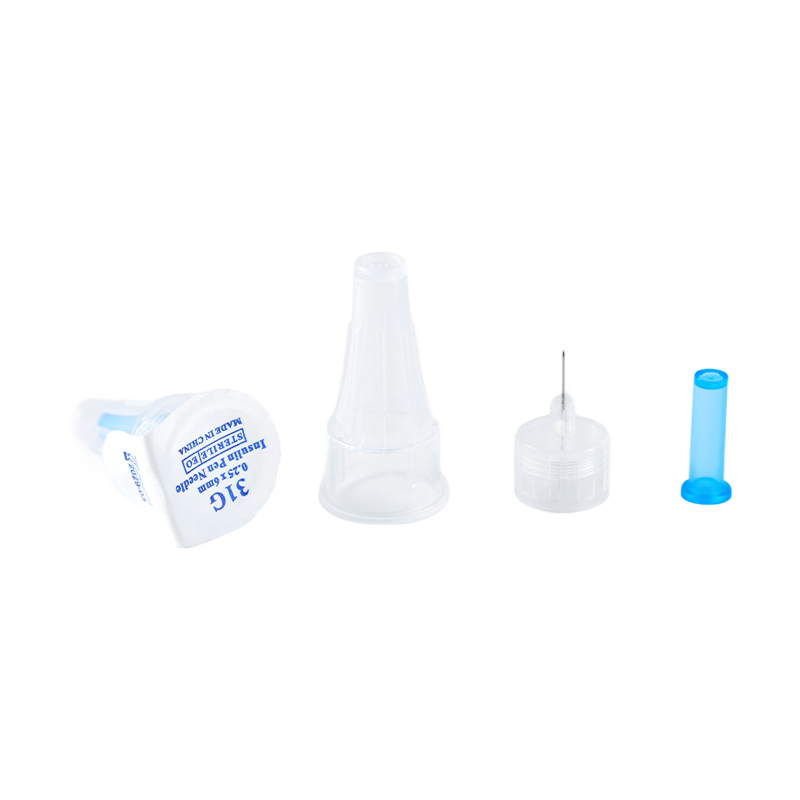
Assembling with insulin pen, for insulin hypodermic injection.The plastic parts ...
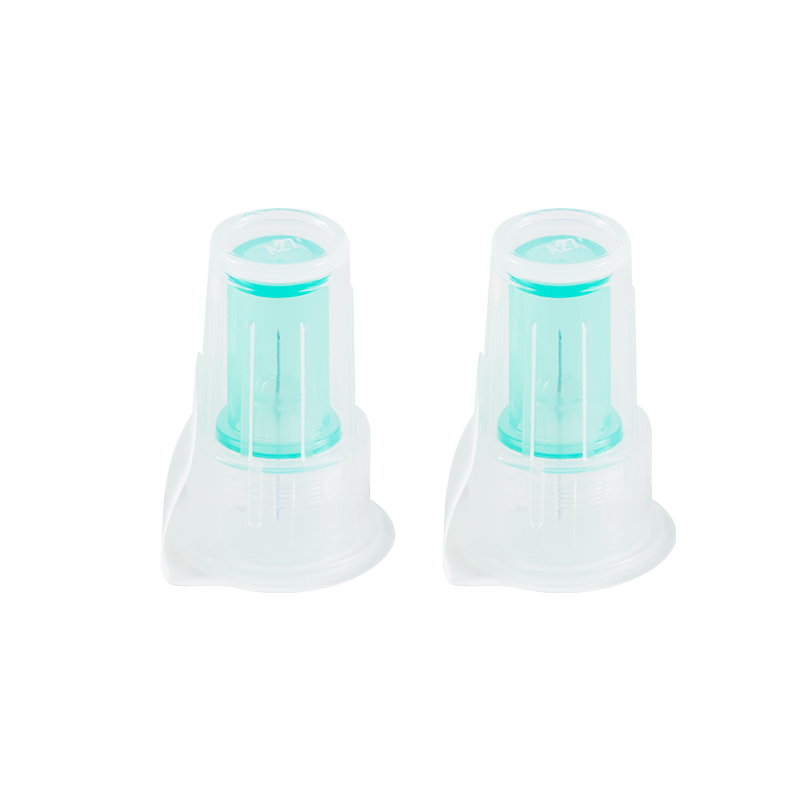
Used in conjunction with an insulin pen, it is used for subcutaneous injection o...
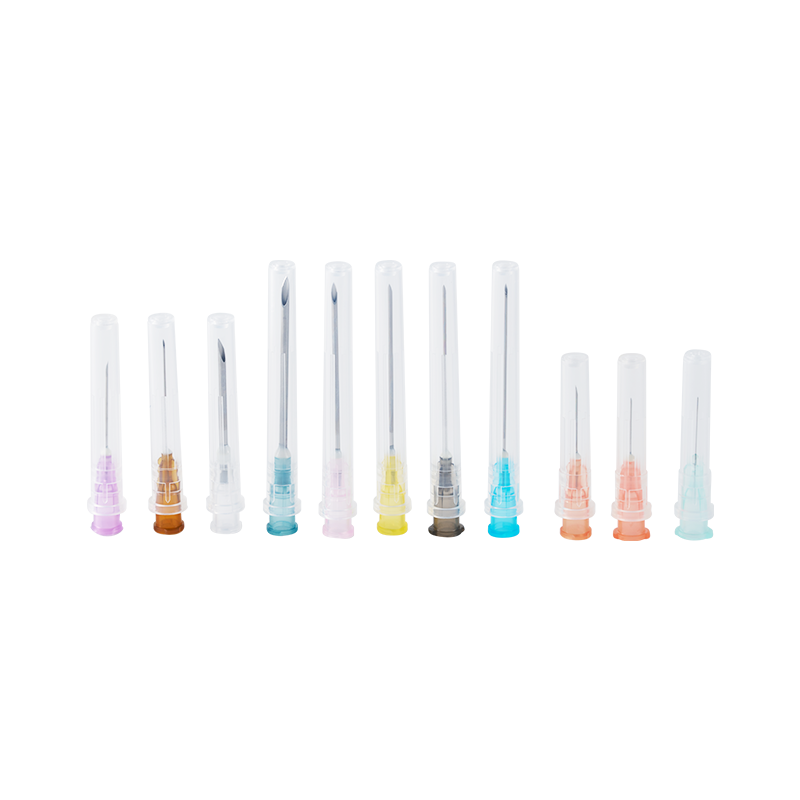
The cannula is made of high quality austenite stainless steel.All the components...
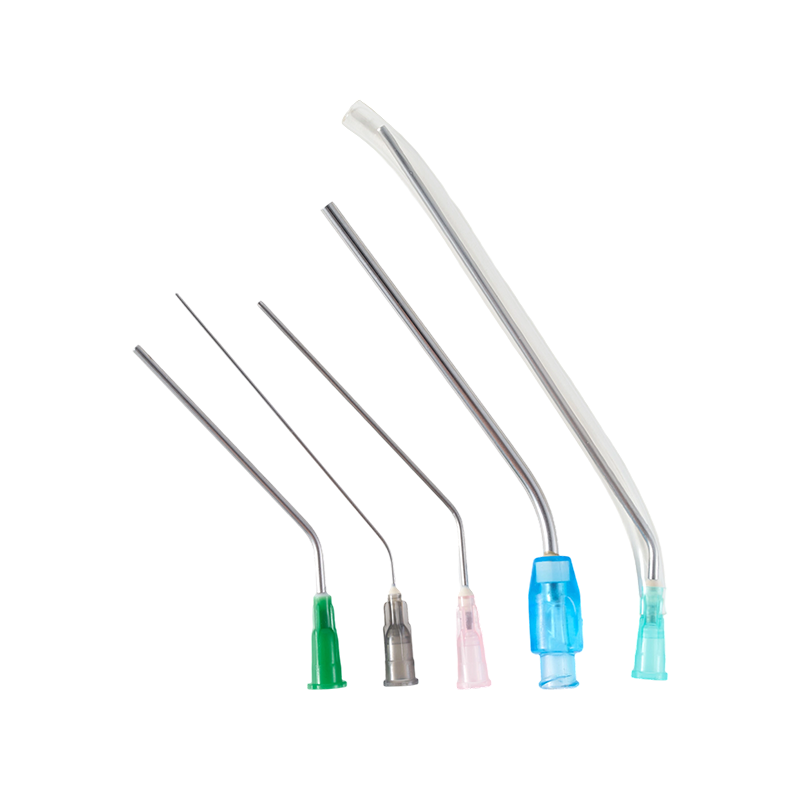
The material of the needle is Medical grade SUS304,which have great stiffness, t...
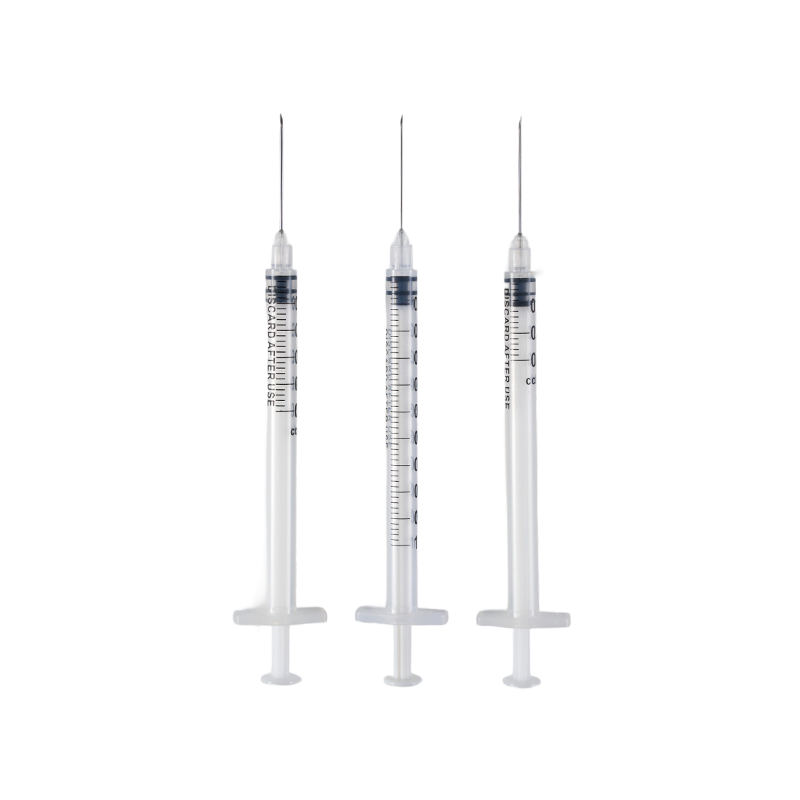
The barrel is made from high transparent polypropylene(PP),which have a bright a...
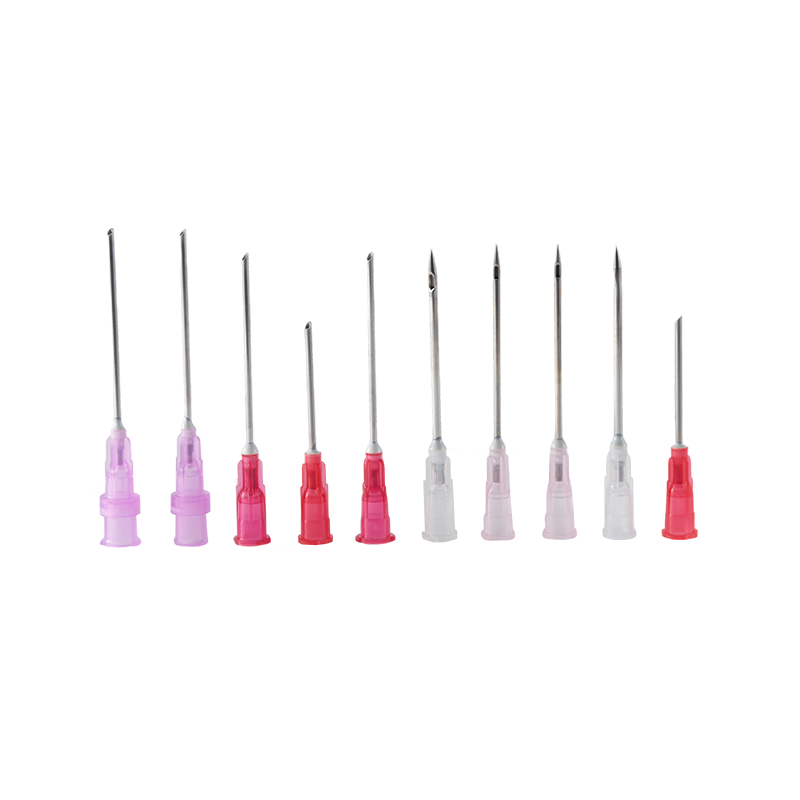
The cannula is made of high quality austenite stainless steel.The lancet tip is ...

Copyright© 2025 Zhejiang INI Medical Devices Co., Ltd.
Approval No:20150049
Medical Device Manufacturers
Disposable Medical Syringes Factory
