


 English
 Español
 中文简体
中文简体Don't hesitate to send a message
The design and production comply with ISO8537. The plastic parts are moulded by ...
A Biopsy Needle is a key tool in diagnostic procedures where tissue sampling determines clinical decisions. In tumour biopsy, liver puncture, and other interventional procedures, tissue integrity and cellular structure must remain intact for laboratory analysis.
Medical teams expect precise cutting, stable triggering, and consistent sampling volume. Variability in cutting force or sample capture can disrupt diagnostic workflows and require repeat procedures.
Understanding the structural design behind the needle helps clarify how controlled sampling is achieved.
The core structure of a Biopsy Needle uses medical-grade SUS304 stainless steel. This material supports mechanical stability while maintaining compatibility with sterilisation processes. Its corrosion resistance allows storage without structural degradation.
The spring-triggered design is engineered to deliver controlled cutting force with precision up to 0.1mm. That dimensional accuracy matters in clinical contexts where even small deviations can affect specimen structure. A stable trigger response also provides predictable operation under ultrasound or CT guidance.
Biopsy Needle Suppliers focusing on interventional devices pay close attention to spring elasticity and cutting-edge alignment. Manufacturing consistency at this level supports reliable tissue acquisition across different needle gauges.
Sampling quality depends heavily on tip geometry and groove design. The tip of the Biopsy Needle is double bevelled and mirror polished. This reduces puncture resistance during insertion and allows smoother tissue penetration.
An anti-tissue adhesion coating is applied to reduce friction and limit artefact interference in the sample. Adhesion between tissue and the metal surface can distort specimen edges, affecting pathology evaluation. Surface finishing technology helps maintain sample structure during extraction.
Clinical applications vary widely. Some procedures require thicker gauges for core tissue sampling, while others demand finer gauges for targeted puncture. The available specification range from 14G to 20G supports diverse diagnostic needs.
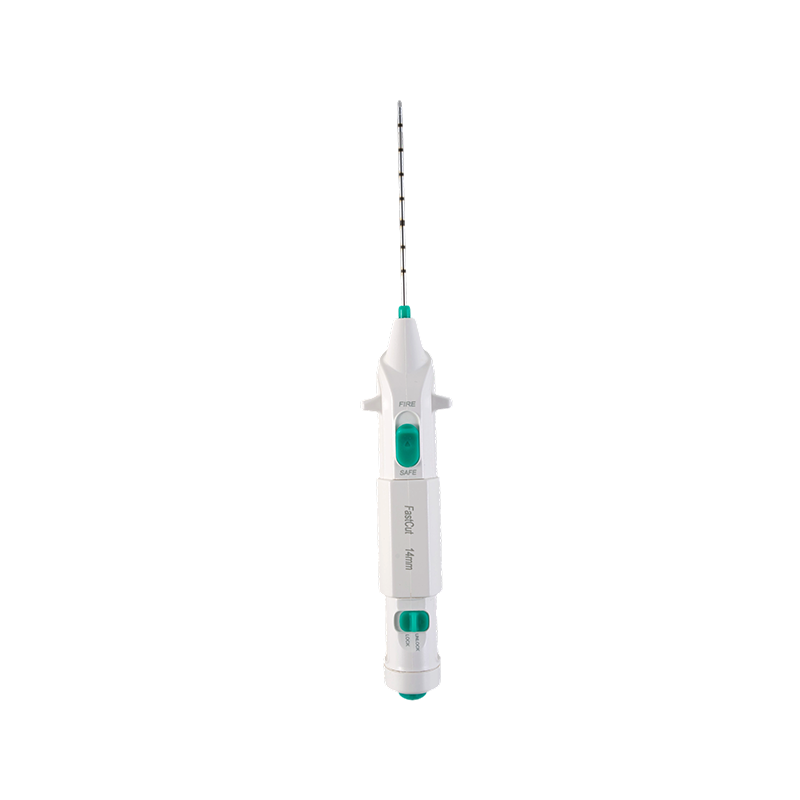
Sterility management remains central in interventional tools. The complete series of Biopsy Needle products undergoes EO sterilisation before distribution. This method supports sterile delivery while maintaining material stability.
Triple independent epoxy sealing film packaging provides layered barrier protection during transport and storage. Each sealed layer acts as a protective interface against environmental exposure.
Packaging stability matters during long-distance logistics. Deformation or compromised seals can interrupt sterile assurance. Structured packaging validation helps maintain product condition until use.
Biopsy Needle Suppliers operating under ISO13485 and CE certification frameworks follow documented sterilisation and packaging verification procedures. These certifications reflect structured quality management systems rather than isolated inspection activities.
Accurate diagnosis begins with reliable tissue sampling. A Biopsy Needle built from SUS304 stainless steel, equipped with a calibrated spring-triggered mechanism, and finished with mirror-polished double bevel geometry provides controlled cutting performance.
Negative pressure adsorption technology accelerates tissue capture within a short activation time. Anti-adhesion coating supports specimen integrity for pathology analysis. EO sterilisation combined with triple sealed packaging maintains sterile conditions until clinical use.
Through structured production management, certification compliance, and disciplined inspection protocols, Biopsy Needle Suppliers contribute to stable diagnostic workflows. By focusing on precision engineering and consistent quality control, interventional tools can support reliable tissue acquisition across a range of guided procedures.
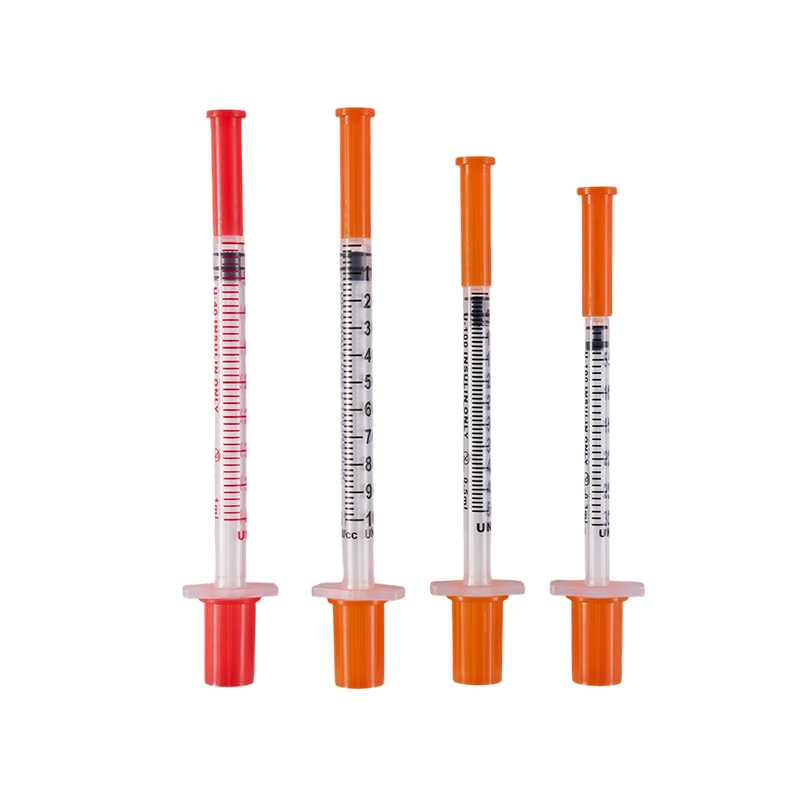
The design and production comply with ISO8537. The plastic parts are moulded by ...
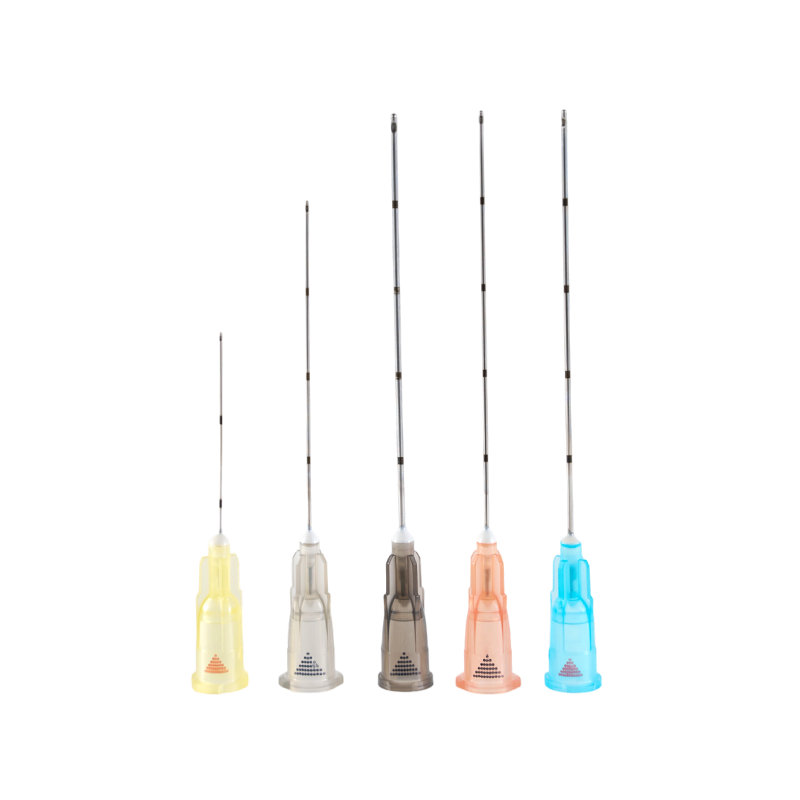
There are three kinds of the tip types, Sealed-circle with 2 side holes, sealed-...
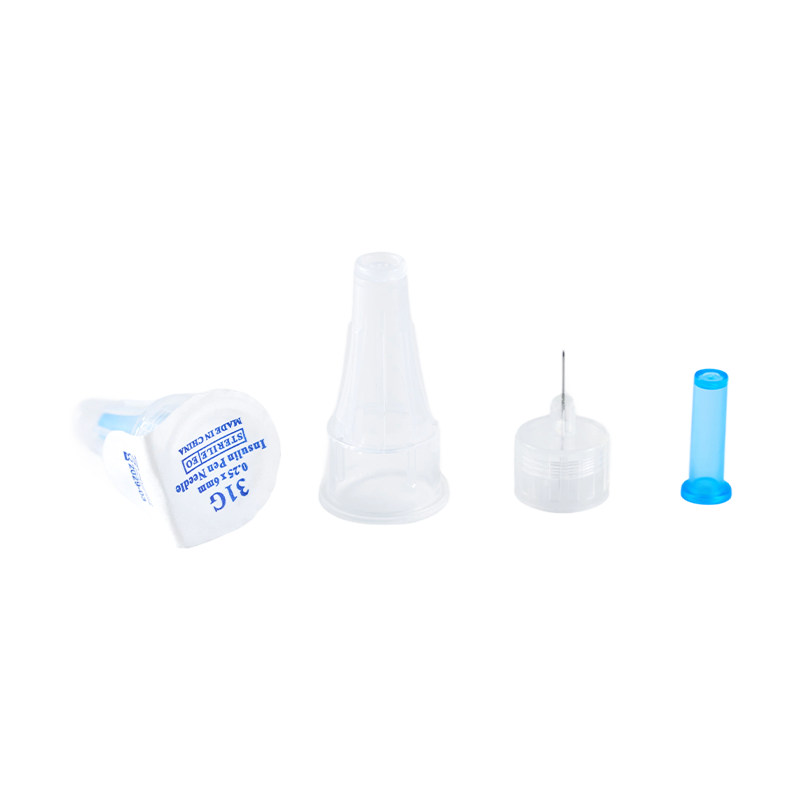
Assembling with insulin pen, for insulin hypodermic injection.The plastic parts ...
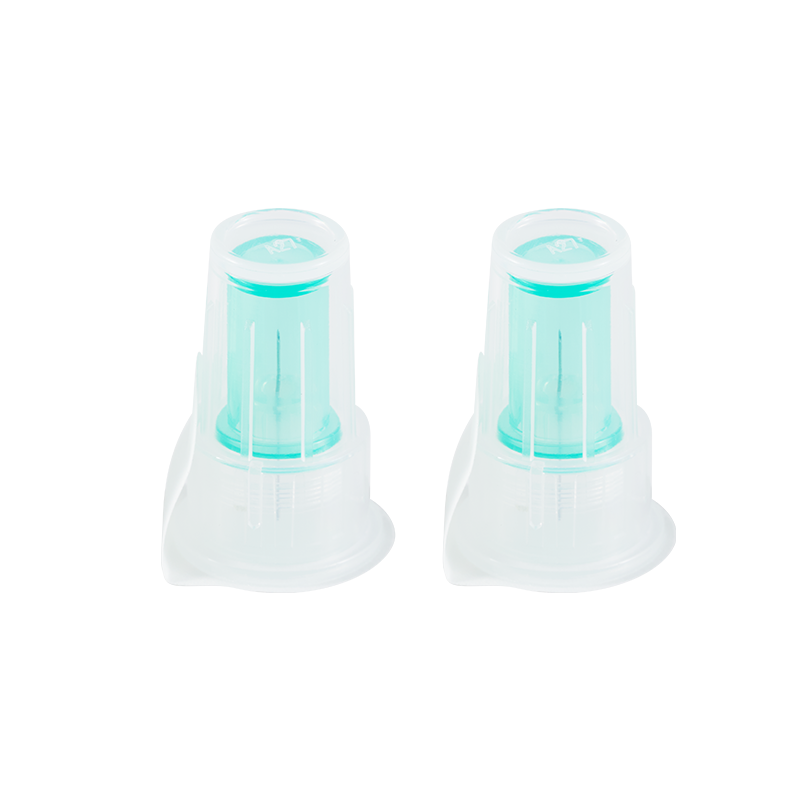
Used in conjunction with an insulin pen, it is used for subcutaneous injection o...
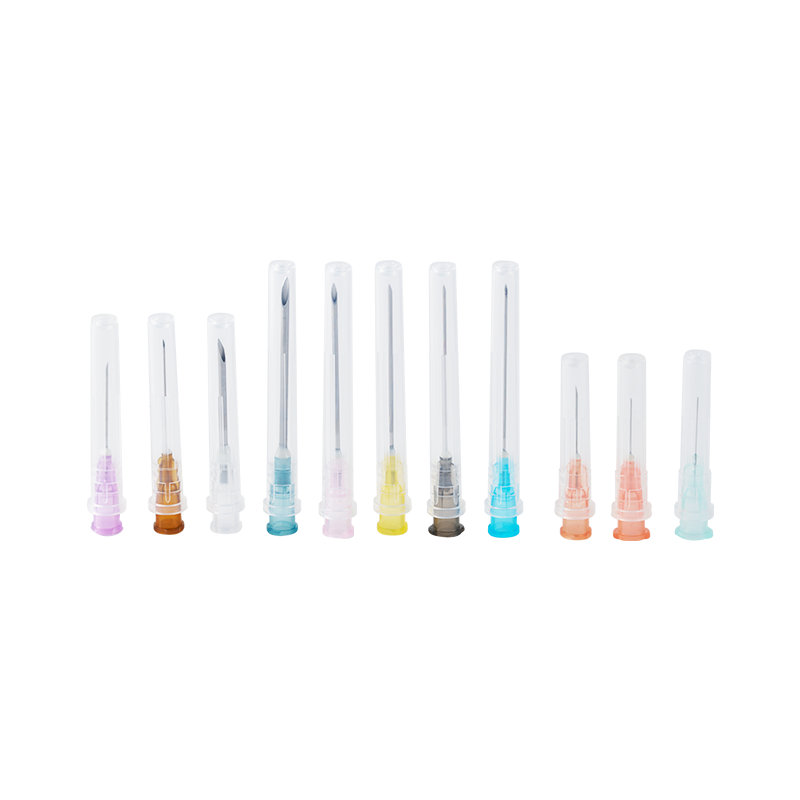
The cannula is made of high quality austenite stainless steel.All the components...
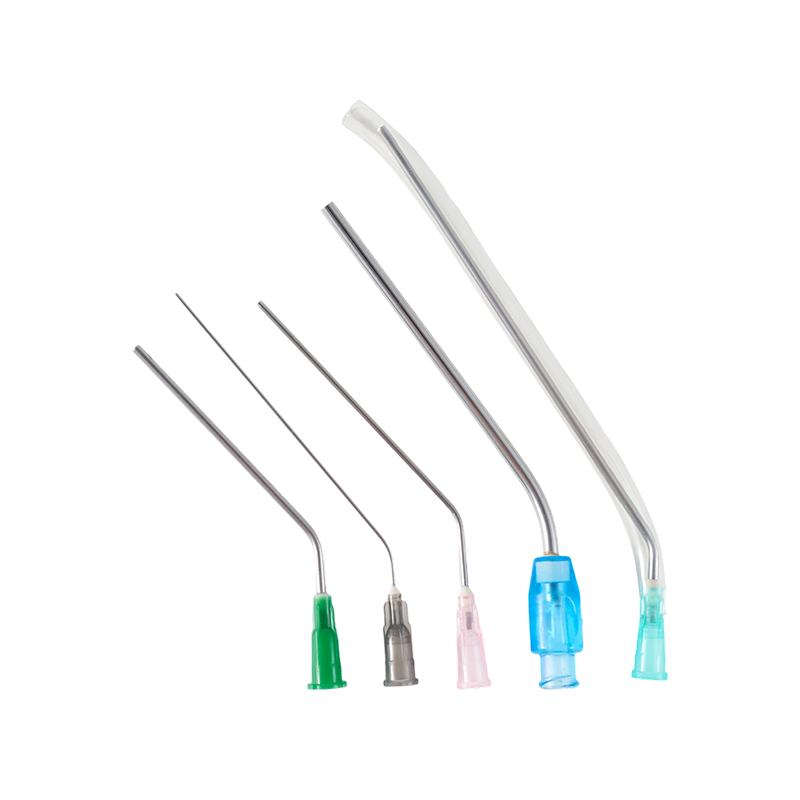
The material of the needle is Medical grade SUS304,which have great stiffness, t...
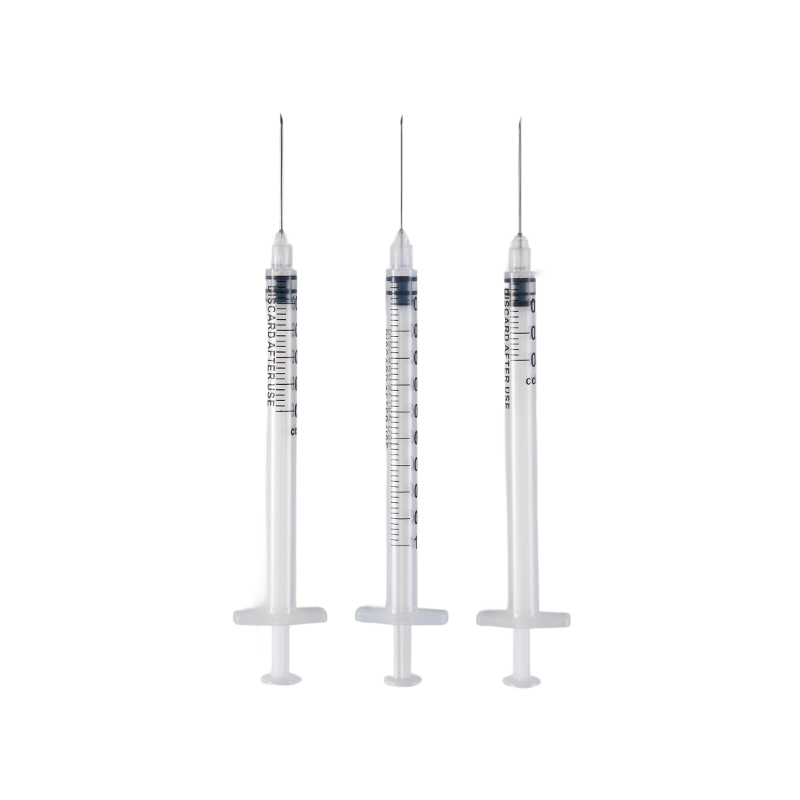
The barrel is made from high transparent polypropylene(PP),which have a bright a...
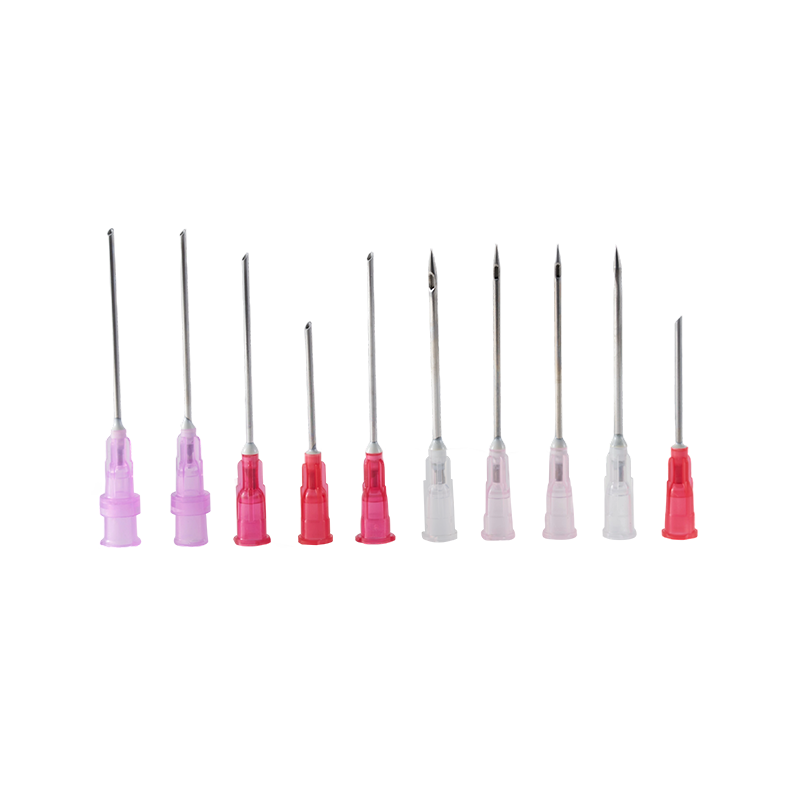
The cannula is made of high quality austenite stainless steel.The lancet tip is ...

Copyright© 2025 Zhejiang INI Medical Devices Co., Ltd.
Approval No:20150049
Medical Device Manufacturers
Disposable Medical Syringes Factory
